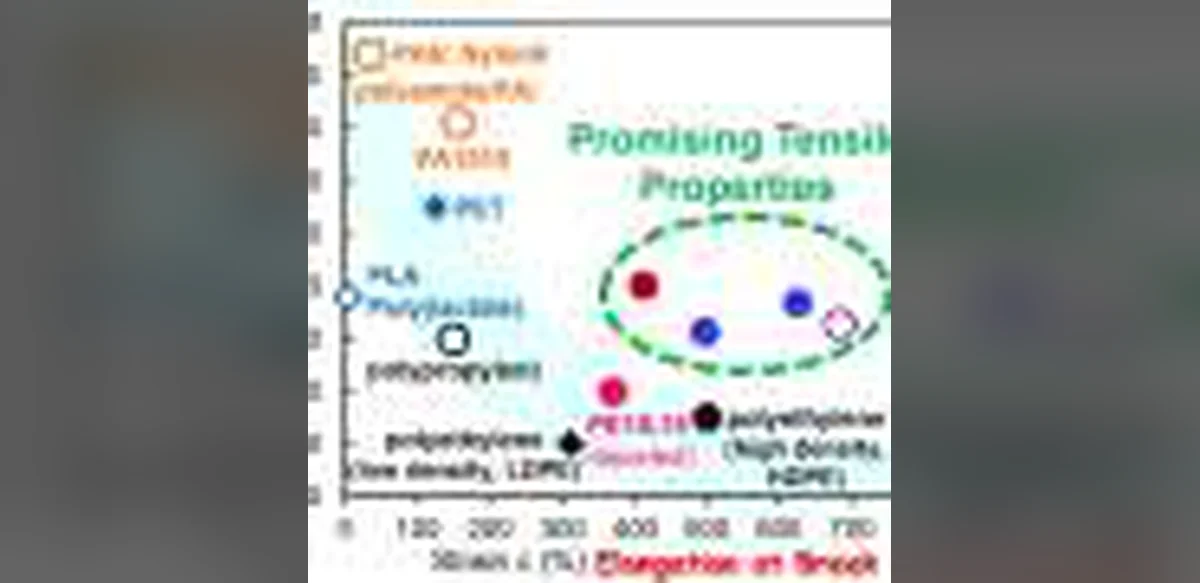
A research team led by Professor Kotohiro Nomura at Tokyo Metropolitan University, working with groups from the Osaka Research Institute of Industrial Science and Technology and the University of Shiga Prefecture, has created biobased poly(ester amide)s from nonedible plant sources. These materials can be chemically recycled and show improved tensile strength and elongation at break in film form compared with common plastics such as polyethylene and polypropylene. The findings appear in JACS Au. The polymers are made from vegetable oils, amino acids and sugars through catalytic olefin metathesis polymerization, yielding high-molecular-weight products. They can be broken down back into monomers via transesterification with alcohols. One variant containing phenylalanine also shows rapid self-healing at room temperature. The work supports efforts to develop sustainable materials suitable for a circular economy.