


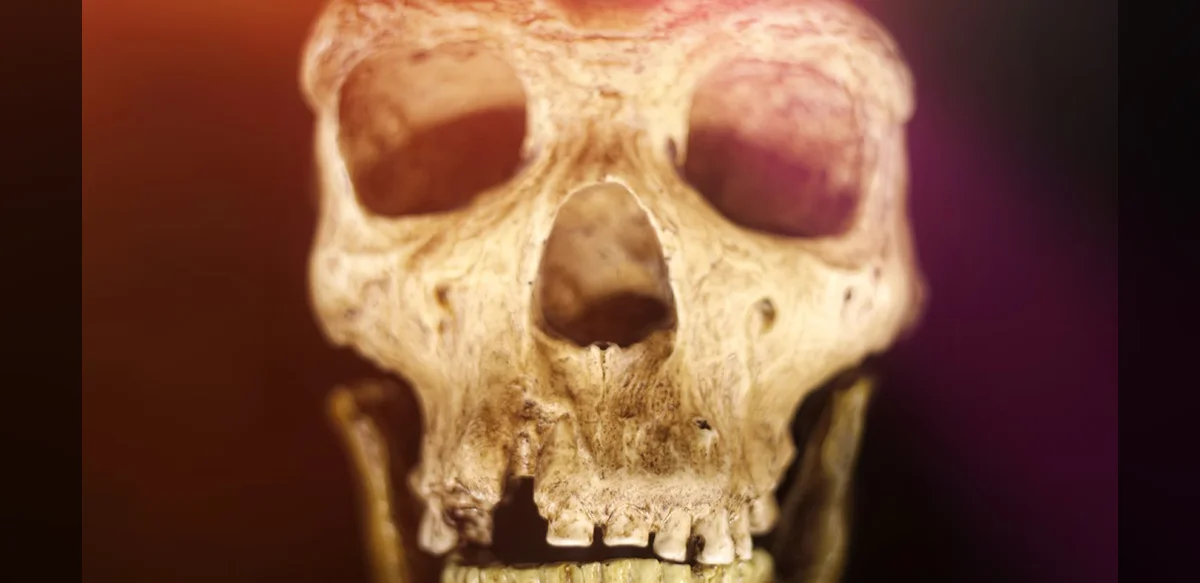
DNA evidence shows that Homo sapiens encountered and interbred with Neanderthals long before modern humans became dominant. A recent excavation in a cave now suggests these groups maintained a closer connection that lasted many thousands of years.
Researchers from Türkiye, France, and Japan examined sediment layers in Üçağızlı II Cave in northern Türkiye, a region that served as a passage for early humans moving from Africa into Eurasia. The site contained traces of Neanderthals from about 77,000 years ago and modern humans from roughly 59,000 years ago. Despite changes in occupants, many stone tools, hunting methods, and collected items remained consistent.
This continuity points to shared cultural elements between the groups that may have persisted for up to 20,000 years. The team noted a deep level of cultural interaction, with the two populations likely sharing symbolic preferences rather than simply adapting to the same surroundings.
Dating relied on optically stimulated luminescence to determine when sediment grains were last exposed to light. Among the key finds were Columbella rustica seashells, which had no food value and appear to have served as ornaments. Previously linked only to modern humans, these shells were also gathered by Neanderthals.
Additional items recovered included teeth, a jawbone, engraved objects, and animal bones from deer, goats, and wild boars. Although remains of both groups were not found in the same layers, the matching patterns in tools, hunting, and shell collection suggest regular contact and exchange of traditions.
The study adds to growing evidence that Neanderthals and early modern humans interacted more extensively than once thought. Published in PNAS, the work offers new insight into a key period of human prehistory in the Levant, where fossil evidence remains limited.

