


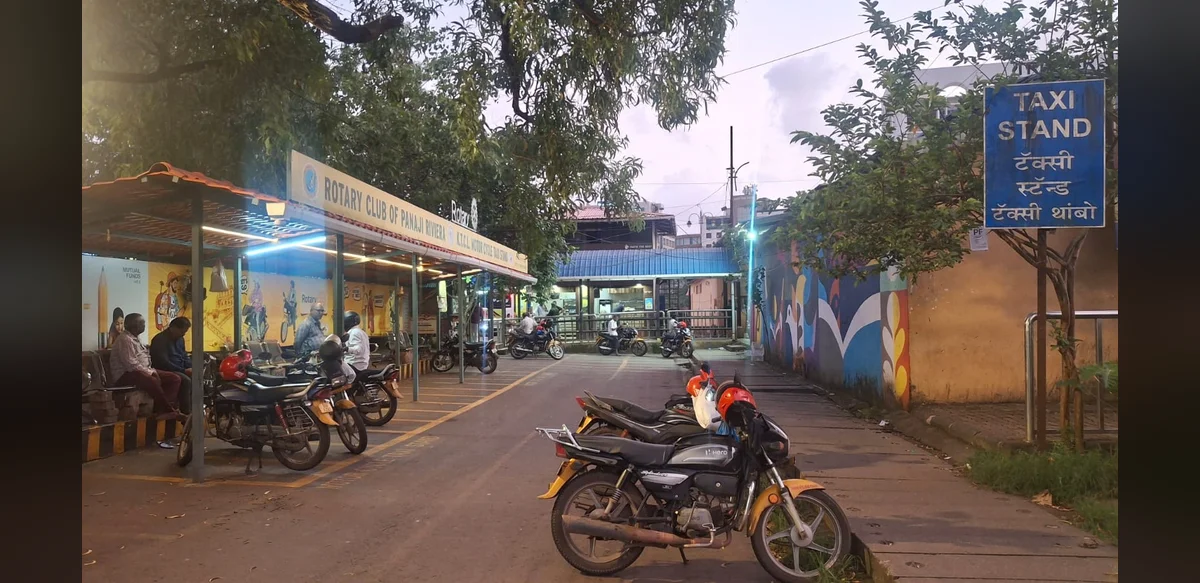
Raju Naik, 73, shifts his black-and-yellow motorcycle taxi forward in the queue at a Panaji stand on a recent Saturday evening. The veteran driver from Ribandar village in North Goa says work has slowed sharply. After leaving farm work and canteen jobs, he began offering rides on a rented Rajdoot motorcycle in the early 1980s as tourism expanded. He recalls paying modest daily rent and keeping the rest, noting that the role once offered steady respect and income.
Naik now waits roughly two hours between passengers and has not taken anyone to the airport in five months. He links the change to the arrival of buses and regular cabs. Motorcycle taxis have existed in Goa since Portuguese times, when the word “pilot” came from the Portuguese term for driver. The riders’ association was registered in 1981, and rules were updated to give legal permits.
Last week Chief Minister Pramod Sawant introduced the Mhaje Driver App, letting riders book registered motorcycle taxis through the association. Officials say the tool will improve short-distance travel and allow digital requests from anywhere in the state. Sawant also announced that no new licences will be issued for rental motorcycles to protect the pilots’ work.
Avinash Naik, 70, remembers carrying visitors to North Goa beaches on older bikes. He notes that pilots once enjoyed trust and good tips, yet rising bus services, more private cars, rental bikes and illegal taxis have cut earnings. Association figures show about 1,500 registered pilots and 500 others working independently, down from roughly 8,000 in 1999.
Daily income now averages 400 to 500 rupees, with fuel and repair costs climbing while official fares remain unchanged. Business improves only during the November-to-March tourist season; the rest of the year stays quiet.

