


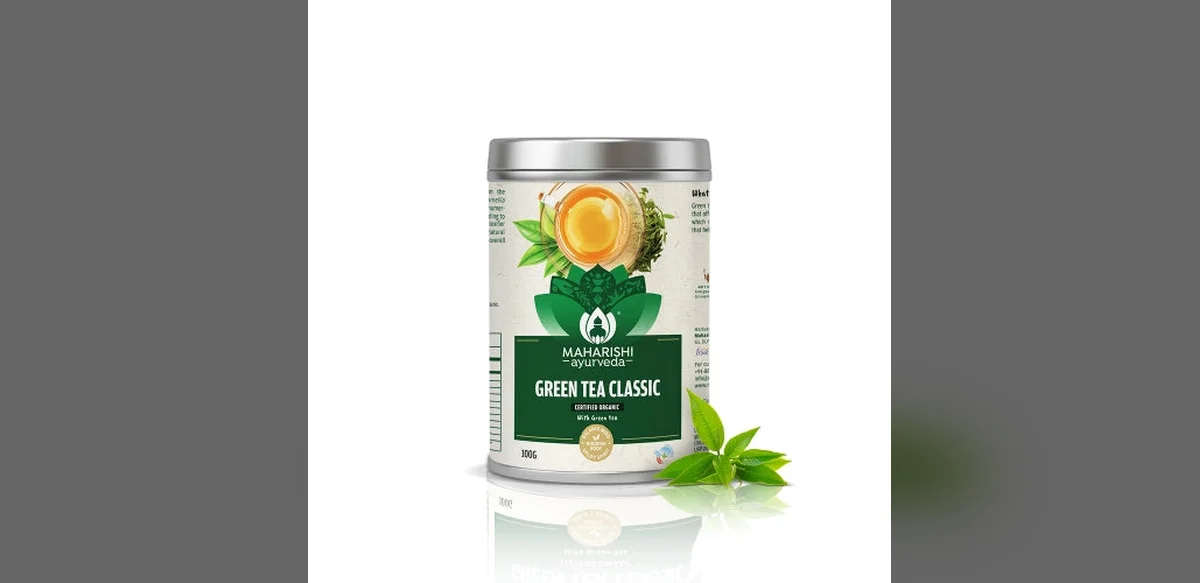
The ideal moment to consume green tea varies according to personal health aims, daily schedule, and sensitivity to caffeine. Many individuals choose mid-morning or early afternoon slots, while traditional Ayurvedic guidance also factors in digestion, body type, and seasonal patterns. This overview outlines suitable times for various objectives, periods to skip, and ways to include the beverage in a balanced routine.
Timing Overview by Objective
Goal Best Time
Morning energy 30 to 60 minutes after breakfast
Mental focus Mid-morning
Weight management Before exercise or between meals
Digestion Between meals if tolerated
Evening Avoid if caffeine sensitive
Importance of Timing
Green tea has drawn attention for its antioxidant content and possible support for weight control. Matching intake to specific goals helps maximize benefits. The drink supplies polyphenols, catechins including EGCG, vitamins, amino acids, and minerals that aid immunity, digestion, skin condition, and metabolism. In Ayurvedic tradition it is described as astringent, acting as a mild stimulant and diuretic.
For Weight Management
Consume one to two hours after breakfast or 30 to 45 minutes before physical activity. Catechins and caffeine may assist metabolic rate and fat oxidation. Avoid immediate post-meal intake to prevent interference with nutrient uptake. Ayurvedic advice suggests pairing with meals for those with robust digestion or between meals for sensitive stomachs.
For Skin Health and Detox Support
Choose mid-morning or early afternoon between meals. This spacing may improve antioxidant absorption. Polyphenols can help guard skin cells against oxidative stress and support collagen. Skip empty-stomach consumption to reduce risk of nausea. Ayurvedic views recommend avoiding it on an empty stomach to prevent aggravating Vata or weakening digestion; lemon or mint can improve tolerance.
For Digestive Comfort
Sip roughly two hours after lunch or dinner. This approach may ease bloating while limiting impact on iron absorption. The mild diuretic quality can reduce temporary fluid retention. Limit intake if iron levels are low or sensitivity exists, and moderate overall volume to avoid dehydration.
Morning Versus Evening Consumption
Morning intake supports alertness and detoxification when prepared at 160 to 185 degrees Fahrenheit. Evening or pre-bed drinking may disrupt sleep due to caffeine content; decaffeinated options are preferable if evening use is desired.

