


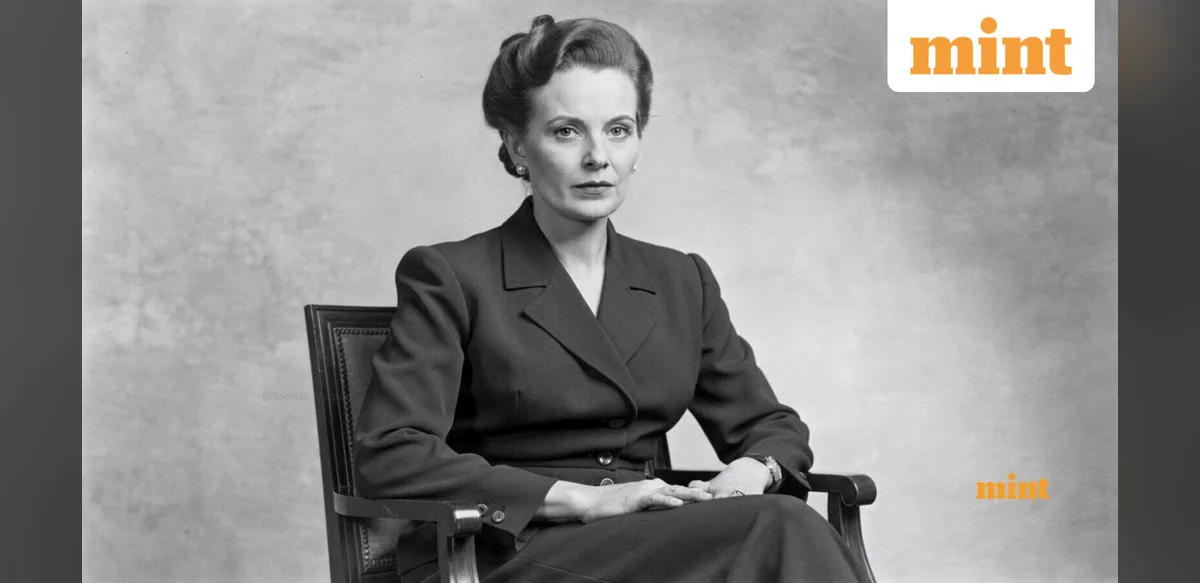
The quote states that reality can be avoided but its results cannot. Russian-American author Ayn Rand presented the line to stress that facts remain fixed and that ignoring them leads to harm in personal and social matters.
The wording balances allowance with restriction to show choice limited by outcome. One may decide against observation yet cannot escape effects from that decision.
Meaning of the Statement
The line points to a common human pattern. Individuals rarely select harm outright. They select the easier step of overlooking the source of harm. This step brings short relief that proves false.
Rand described reality as fixed and independent of preference or comfort. Ignored obligations continue to grow. Unexamined relationships decline. Dismissed health issues advance. Avoidance alters only perception of the issue for a time and leaves the issue unchanged.
A further element distinguishes evasion from lack of knowledge. Lack of knowledge means missing facts. Evasion means rejecting facts already present. Rand framed the act as deliberate and therefore carrying responsibility. The person is not an unaware victim but one who selected non-observation.
The line also outlines how preventable problems develop. Such problems seldom appear suddenly. They form through repeated small choices to set aside discomfort. The resulting crisis surprises only the person who did not observe. Others can trace its origin to those choices.
Background
Ayn Rand was born Alisa Zinovyevna Rosenbaum in Saint Petersburg, Russia, in 1905. She moved to the United States in 1926 and became a noted and debated novelist and thinker. Her novels The Fountainhead and Atlas Shrugged rank among the highest-selling fiction titles in American history.
She created the system called Objectivism. Its core holds that existence stands apart from human awareness. Perception does not form existence and refusal to perceive does not alter it. The quote applies this view to daily conduct. Results of avoidance follow from the structure of existence rather than from any threat.
Rand opposed what she viewed as a common practice of replacing analysis with preference in thought, markets, and governance. She died in New York in 1982. Her work continues to receive support and criticism. The observation in the quote applies across viewpoints.
Current Application
First, locate the area left unexamined. Many people maintain one such area where avoidance has become routine. Name the financial matter, career path, or recurring pattern. Naming begins the end of avoidance.
Second, observe the temporary relief avoidance supplies and the longer cost it imposes. Avoidance lowers immediate tension yet keeps the original condition intact. The quote invites comparison of these results and shows the exchange usually unfavorable.
Third, extend the point to groups and institutions. Deferred budget issues, overlooked environmental signals, and unaddressed social divisions follow identical logic. Group avoidance produces scaled results that persist.
Related Reading
Atlas Shrugged by Ayn Rand

