


Astrobiology has traditionally focused on two areas: biosignatures and technosignatures. Biosignatures involve chemical evidence of life, such as oxygen or methane. Technosignatures include signals from advanced technology like radio emissions or large-scale engineering. This leaves a significant middle period unexplored, spanning billions of years from simple microbes to technological civilizations.
A new paper on the arXiv preprint server by astrobiologist Julia DeMarines proposes the term noosemiotics to study noosignatures. These are defined as structured traces left by intelligence on a medium, whether physical objects like tools or architecture, or complex signals from animal communication. They must be identifiable as products of mind even without full interpretation.
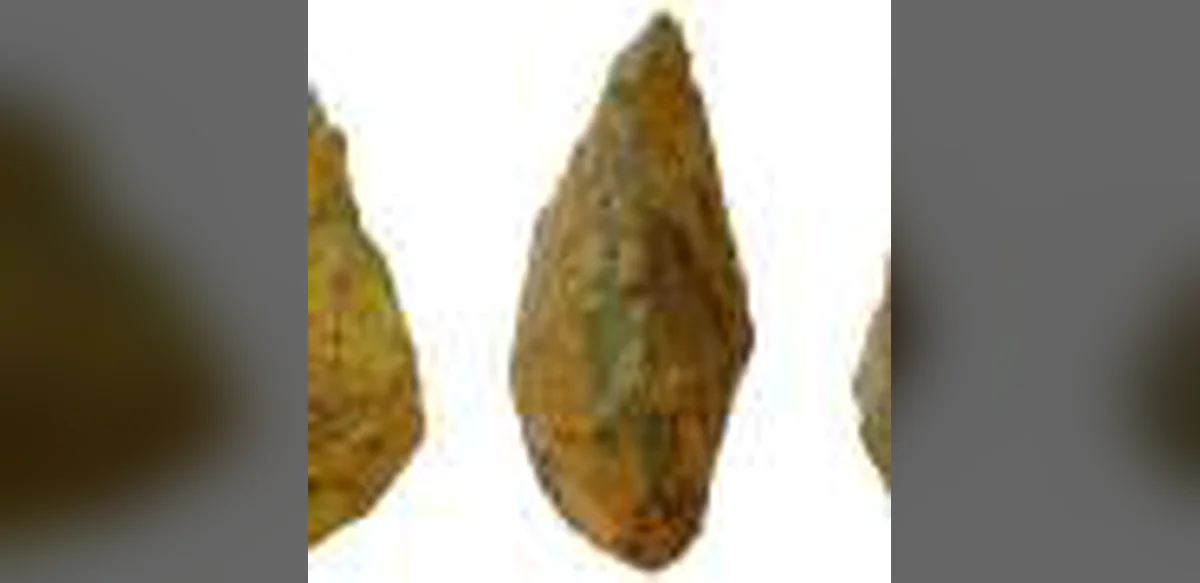
Earth examples include undeciphered scripts like the Indus Valley writing and early stone tools dating back 3.3 million years. Assembly Theory offers a method to measure such traces by calculating the number of steps needed to assemble an object, with higher values indicating intentional creation rather than chance.
Noosignatures could also appear in environmental changes, such as shifts in Earth’s nitrogen cycle from early agriculture. This approach may detect intelligence on worlds that never developed radio technology or sustained civilizations. Challenges remain, including decay of traces over time and distinguishing them from natural processes. The concept remains new, with limited scientific sessions dedicated to it so far.

