


Researchers at Uppsala University have determined that the sun holds 55 percent more silver than previous calculations suggested. The finding stems from improved modeling of the solar atmosphere and addresses a longstanding mismatch between solar and meteoritic silver levels.
The sun is composed mainly of hydrogen and helium, with heavier elements making up just 1.5 percent of its mass. These trace elements serve as records of cosmic history. Ph.D. student Sema Caliskan led the analysis during her doctoral work at the Department of Physics and Astronomy.
Heavy elements form in stars and explosions before being incorporated into later generations of stars and planets. Accurate measurements of their abundances help trace the chemical evolution of the Milky Way.
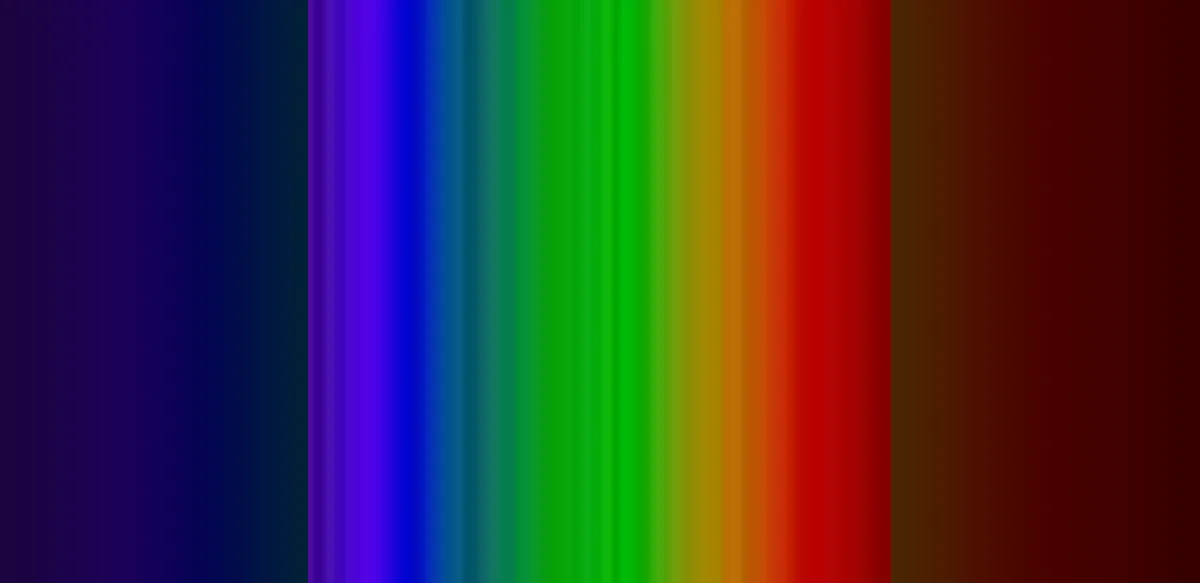
The team measured silver through spectroscopic examination of sunlight. Atoms in the solar atmosphere create distinct absorption lines at specific wavelengths. Earlier estimates relied on simplified atmospheric models. The new study combined a dynamic model of the outer solar layers with refined atomic data that accounts for non-equilibrium effects, where light alters the very atoms producing the lines.
The revised silver abundance aligns closely with values measured in primitive meteorites, which formed from the same material as the sun 4.6 billion years ago. The updated method can now be extended to other stars to map silver production and distribution across the galaxy over time.
The study appears in Astronomy and Astrophysics.

