


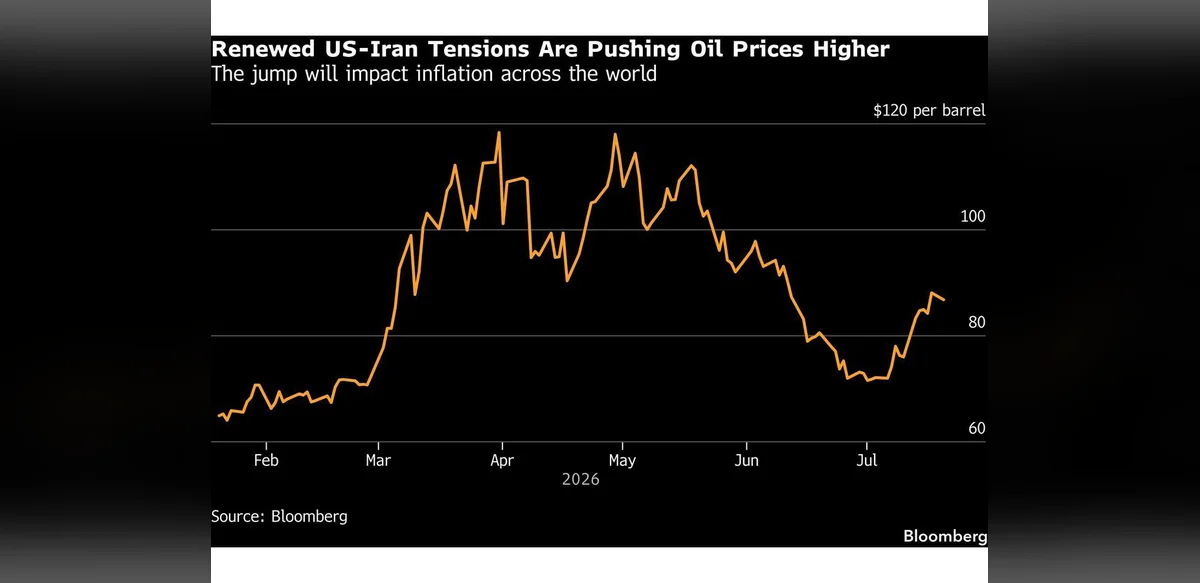
Renewed geopolitical strains involving Iran are prompting central banks across Africa to maintain elevated interest rates for an extended period. Officials cite concerns that fresh conflicts could drive up global oil prices and intensify inflationary pressures in import-dependent economies. This approach contrasts with earlier expectations of monetary easing in several nations that had begun to see inflation moderate after previous tightening cycles.
Policymakers in countries reliant on energy imports are particularly vigilant. Higher crude costs risk feeding into domestic fuel and transportation expenses, which in turn affect food prices and overall consumer costs. Central banks have signaled that they will prioritize price stability over growth stimulation until clearer signs emerge that external shocks have subsided.
The situation adds complexity to economic management in a region already navigating variable commodity revenues and currency volatility. Some institutions had planned gradual rate reductions to support borrowing and investment, yet recent developments have led to a reassessment. Analysts note that prolonged high rates could dampen credit expansion and slow recovery in sectors such as manufacturing and agriculture.
Regional bodies have highlighted the uneven impact across the continent. Nations with stronger foreign reserves may absorb the shock more effectively, while others face greater challenges in defending their currencies. Coordination among monetary authorities is being discussed to share data and best practices amid the uncertainty.
Global financial markets have reacted with caution to the developments, with investors monitoring oil benchmarks closely. African policymakers emphasize that their decisions remain data-driven and independent of external political narratives. They continue to focus on domestic indicators such as core inflation, employment trends, and fiscal balances.
Looking ahead, the duration of elevated rates will depend on how the geopolitical situation evolves and its transmission to local economies. Central banks have committed to transparent communication to manage market expectations. This measured stance aims to safeguard purchasing power while avoiding unnecessary constraints on economic activity.
In summary, the interplay between international tensions and domestic monetary policy underscores the interconnected nature of modern economies. African institutions are adapting their strategies to balance immediate risks with longer-term objectives of sustainable growth and financial resilience.

