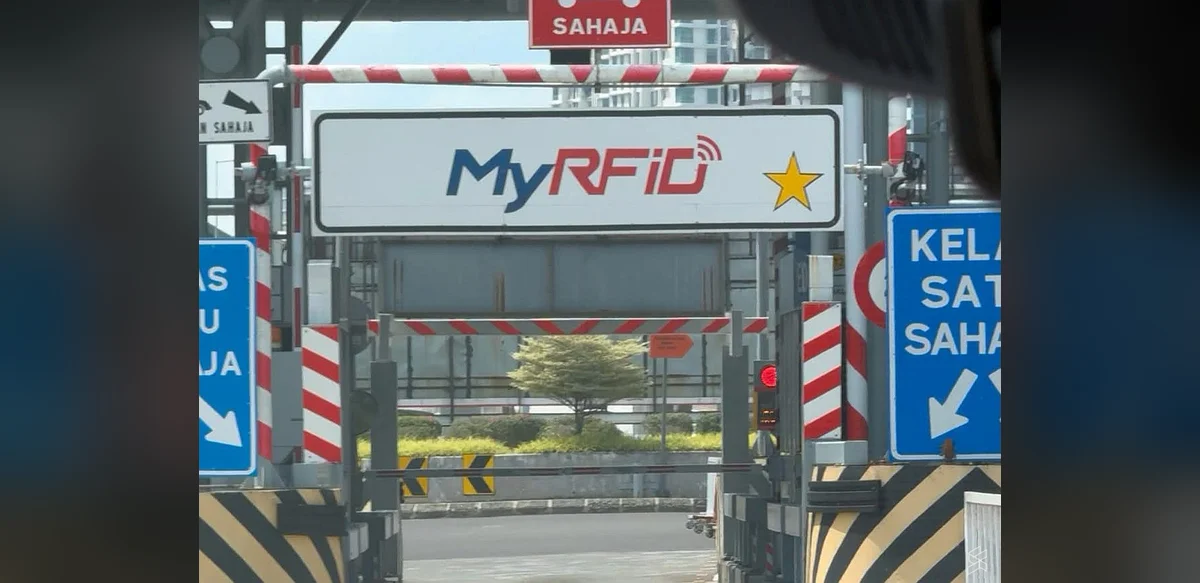
The electronic toll collection provider has launched an improved radio frequency identification lane along the Ampang Kuala Lumpur Elevated Highway. This development utilizes advanced Titan Flow technology to achieve quicker and more dependable vehicle identification, boasting a detection precision rate of 99.98 percent. The initiative aims to expand this feature to a total of ten lanes before the conclusion of the current year. Motorists traveling the route can now benefit from smoother passage through the designated lane as the system processes signals with high reliability. The upgrade focuses on reducing delays commonly associated with traditional methods by enhancing the speed of recognition at the point of collection. Implementation of the new lane marks an initial step in a broader plan to equip additional sections with similar capabilities throughout the remainder of the year. Users passing through the area experience consistent performance thanks to the precise detection capabilities built into the infrastructure. The technology supports efficient movement of traffic by minimizing interruptions during peak periods. Plans call for gradual rollout across multiple lanes to ensure widespread availability for regular commuters. Overall the change contributes to improved operations on the elevated roadway without altering existing payment structures. Further expansions will follow the same standards to maintain uniformity across the network. The emphasis remains on delivering reliable service that aligns with daily travel needs of those using the highway. As more lanes receive the upgrade the cumulative effect is expected to support better flow during busy hours. The provider continues to monitor performance metrics to confirm sustained accuracy levels after deployment. This measured approach allows for adjustments if needed while progressing toward the target of ten operational lanes. Motorists are encouraged to utilize the enhanced lane where available to take advantage of the faster processing times. The project reflects ongoing efforts to modernize collection points along major routes in the region. By year end the completed installations should provide expanded coverage for a larger volume of vehicles. The focus on accuracy helps ensure that transactions complete successfully on the first attempt in most cases. Such improvements can lead to less congestion at collection areas over time. The rollout strategy prioritizes key locations first before extending to others along the same corridor. Continued investment in detection systems supports the goal of seamless travel experiences. In summary the launch represents a targeted enhancement aimed at reliability and speed for highway users. Expansion to additional lanes will proceed according to the established timeline through the end of the year. The system maintains compatibility with current user accounts and devices already in circulation. Performance data collected during initial operation will inform any refinements in subsequent phases. This careful progression helps balance innovation with practical daily usage requirements on busy thoroughfares. The result is a more responsive collection process that addresses common pain points associated with toll facilities. As implementation advances the benefits of reduced wait times become accessible to more drivers on a routine basis. The provider remains committed to achieving the full complement of ten lanes as outlined in the current schedule. This development underscores the role of specialized technology in supporting efficient transportation networks. Motorists can anticipate consistent results from the upgraded detection method across the newly equipped lane. Future additions will replicate the same technical specifications to preserve quality standards. The overall objective centers on delivering dependable service that meets the demands of modern commuting patterns. By focusing on precision and velocity the system contributes to smoother operations without requiring changes from end users. The phased expansion ensures that progress continues steadily toward the year end milestone. In the meantime the existing lane serves as a demonstration of the potential improvements available through the new approach. Regular monitoring will confirm that accuracy remains at the reported high level during extended use. This initiative forms part of broader modernization activities along the highway corridor. The emphasis on user convenience drives decisions around technology selection and deployment timing. As additional lanes come online the advantages will scale accordingly for the traveling public. The provider evaluates feedback and operational statistics to guide ongoing refinements. Ultimately the target of ten lanes supports a vision of enhanced efficiency across the route. The current status reflects successful activation of the first site with further sites scheduled in sequence. This structured plan allows for orderly integration into the existing infrastructure. Drivers benefit from the immediate availability of the improved lane while awaiting wider coverage. The technology choice prioritizes both speed and dependability to address real world conditions on the highway. Continued rollout will extend these capabilities progressively through the remainder of the calendar year. In essence the project delivers measurable advancements in toll lane performance for the benefit of all users.