


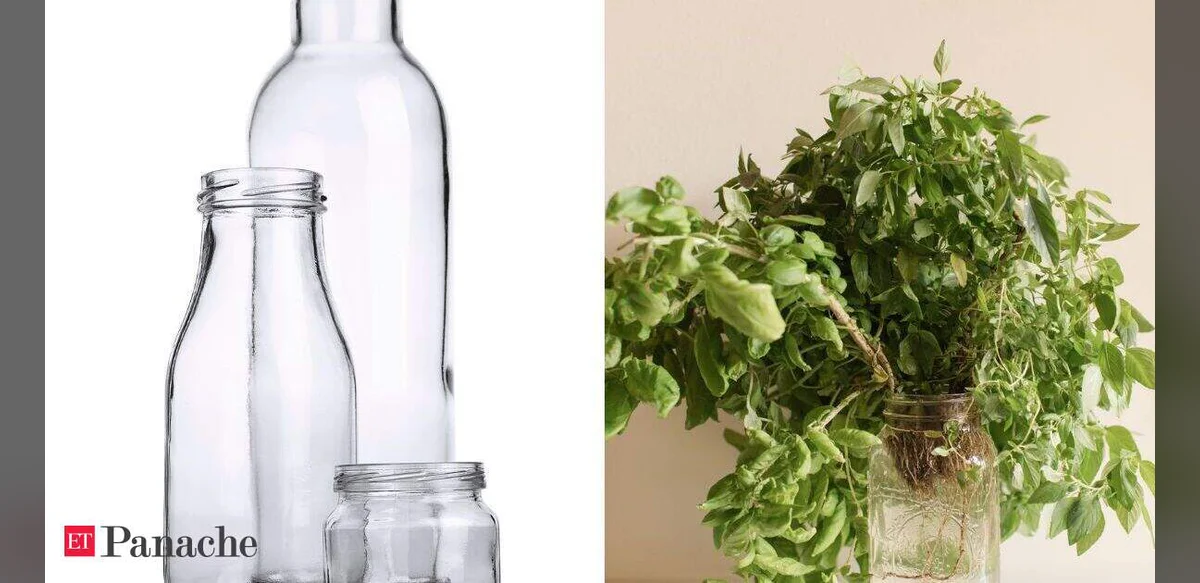
Discarded glass jars from everyday kitchen use offer numerous opportunities for reuse around the home. Rather than discarding them after emptying their original contents, individuals can transform these durable containers into functional items that support organization, storage, and even small-scale gardening.
One straightforward application involves pantry organization. Cleaned jars can hold dry staples such as rice, pasta, beans, spices, and flour. Their transparent nature allows quick visual identification of contents, while airtight lids help maintain freshness for longer periods. This approach reduces reliance on single-use plastic packaging and creates a uniform appearance on shelves.
Homemade sauces, jams, and preserves also store effectively in sterilized glass jars. After cooking, the mixtures can be transferred while hot, sealed, and kept in the refrigerator or pantry depending on the recipe. The non-reactive surface of glass prevents flavor transfer or chemical leaching that sometimes occurs with certain plastics.
Growing kitchen herbs represents another popular reuse. Small jars filled with soil and placed on a sunny windowsill can support plants like basil, mint, parsley, or chives. Drainage holes are unnecessary if watering is moderated carefully, and the compact size suits limited counter space. Regular harvesting encourages continued growth throughout the season.
Beyond the kitchen, glass jars serve as holders for miscellaneous household items. Buttons, screws, craft supplies, cotton swabs, or spare change fit neatly inside. Labeling the exterior further improves accessibility in drawers or cabinets.
Candle making provides a decorative option. Melted wax poured into jars with a centered wick produces custom candles. The glass withstands heat well and can be decorated simply with twine or paint if desired, though plain versions remain equally effective.
Desk organization benefits similarly. Pens, paper clips, rubber bands, and sticky notes stay contained and visible. Multiple jars of varying heights can create tiered arrangements that maximize vertical space on work surfaces.
Leftover food storage is another practical use. After meals, portions can be transferred into jars for refrigeration. The secure seal minimizes spills during transport, making them suitable for lunches or meal preparation in advance.
Finally, jars function well as gift containers. Layered ingredients for cookies, soups, or beverages create attractive homemade presents. A ribbon or tag completes the presentation without additional wrapping materials.
These methods extend the lifespan of glass containers, decrease waste sent to landfills, and provide economical alternatives to purchasing new organizers or planters. Proper cleaning with hot soapy water before each new use ensures hygiene across applications. Over time, consistent reuse contributes to more sustainable household habits.

