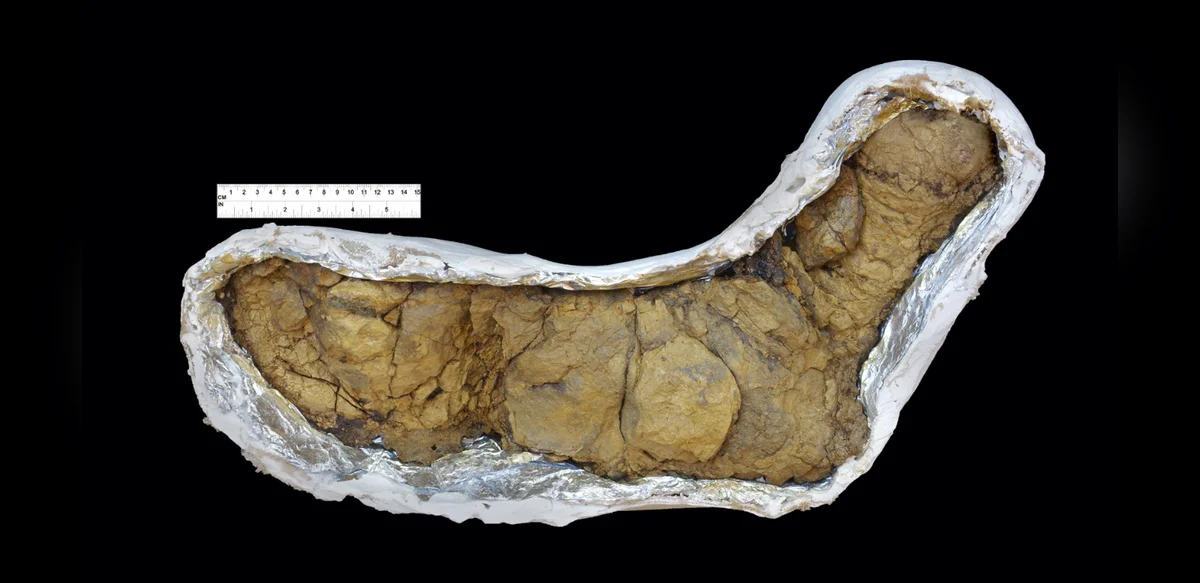
Around 540 million years ago, Earth underwent a major shift known as the Cambrian explosion, when ancestors of most modern animal groups emerged and biodiversity surged. While explanations often cite rising oxygen levels, new research in Trends in Ecology and Evolution points to animal waste as a key driver. The development of complex digestive systems produced more feces, which moved nutrients from surface waters to the deep seafloor and created stable conditions for life to expand. Before this period, oceans held mostly simple microbes. The arrival of animals with through-guts led to concentrated waste pellets that sank quickly, clearing the water column and delivering carbon, nitrogen, phosphorus, and iron downward. This process supported greater marine diversity. Fossil evidence includes coprolites from Cambrian deposits dating back about 538.8 million years, showing pellets that grew larger over time and sometimes contained shell fragments. Researchers note this created a feedback loop where successful animals improved conditions for further evolution, shaping modern ocean ecosystems.