


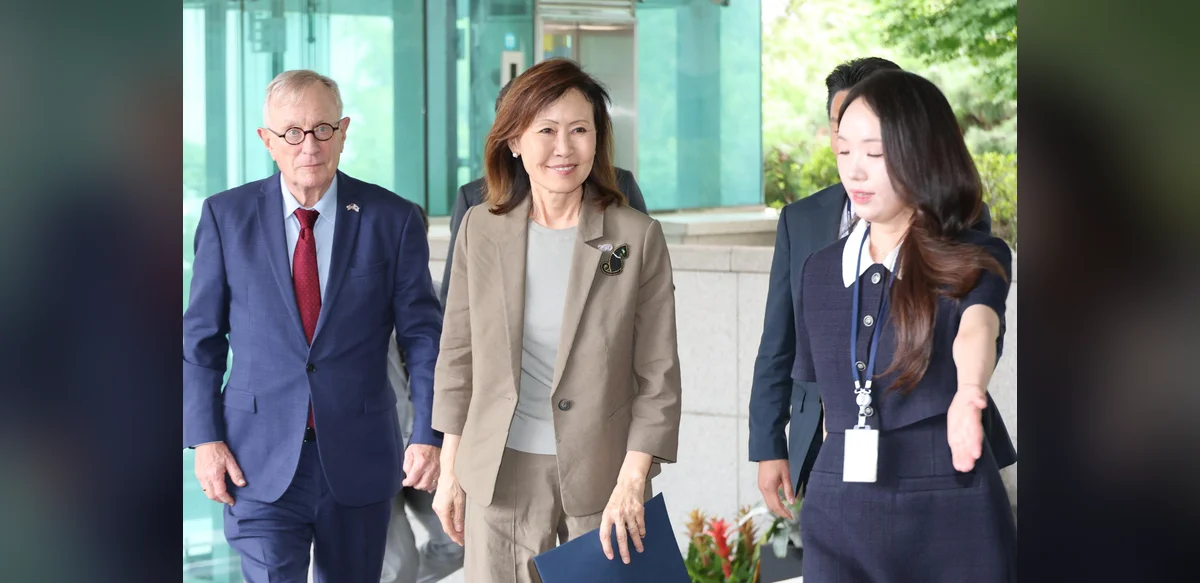
Since the arrival of the United States Ambassador to South Korea in Seoul during late July, her spouse has accompanied her at most official functions and public appearances. Observers note that his background in political activities adds a layer of experience to the diplomatic posting.
The ambassador took up her role amid ongoing discussions between the two nations on security and trade matters. Her partner, known for prior involvement in party organizations, has participated in meetings and receptions without holding an official position. This presence has drawn attention from local media and analysts who track bilateral relations.
Diplomatic spouses often play supportive roles during overseas assignments. In this case, the individual’s history includes work with conservative groups and election campaigns. Such experience may assist in navigating the political environment of the host country, where alliances and networks matter.
Seoul has hosted numerous American representatives over the decades. Each posting brings unique personal dynamics that can influence informal interactions. The current arrangement highlights how family members contribute to the overall mission without direct authority.
Events attended together include ceremonies marking anniversaries of alliances and discussions on regional stability. The spouse has been visible at these gatherings, engaging with officials and community leaders. This visibility aligns with traditions where partners help build goodwill.
Analysts suggest that political connections from the home country can open channels for communication. While the ambassador leads formal negotiations, the additional perspective may support understanding of domestic priorities in both capitals. No official statements have confirmed any specific impact from this involvement.
The posting occurs during a period of active dialogue on economic cooperation and defense issues. Routine activities such as embassy briefings and cultural exchanges form part of the schedule. The consistent attendance by the spouse has become a noted pattern since the initial weeks.
Public records show the individual’s past roles in state-level politics and advocacy. These experiences differ from standard diplomatic training yet may complement the ambassador’s efforts in a nation with its own complex party system. Observers remain cautious about attributing direct outcomes to personal networks.
South Korean officials have maintained standard protocols for receiving foreign envoys. Interactions follow established channels regardless of accompanying family members. The focus stays on mutual interests rather than individual backgrounds.
Media coverage in both countries has referenced the spouse’s profile when describing the ambassador’s early tenure. Such reporting reflects interest in the human elements of international postings. Details remain limited to publicly available information about prior activities.
Overall, the situation illustrates the varied ways diplomatic teams operate abroad. Support from family can extend beyond personal matters into areas of social and political engagement. The arrangement continues as the ambassador settles into responsibilities in the capital.
Further developments in the relationship between the nations will likely receive attention from policy experts. The role of the spouse represents one aspect among many factors shaping day-to-day diplomacy. Official records will document formal achievements separately from personal contributions.

