

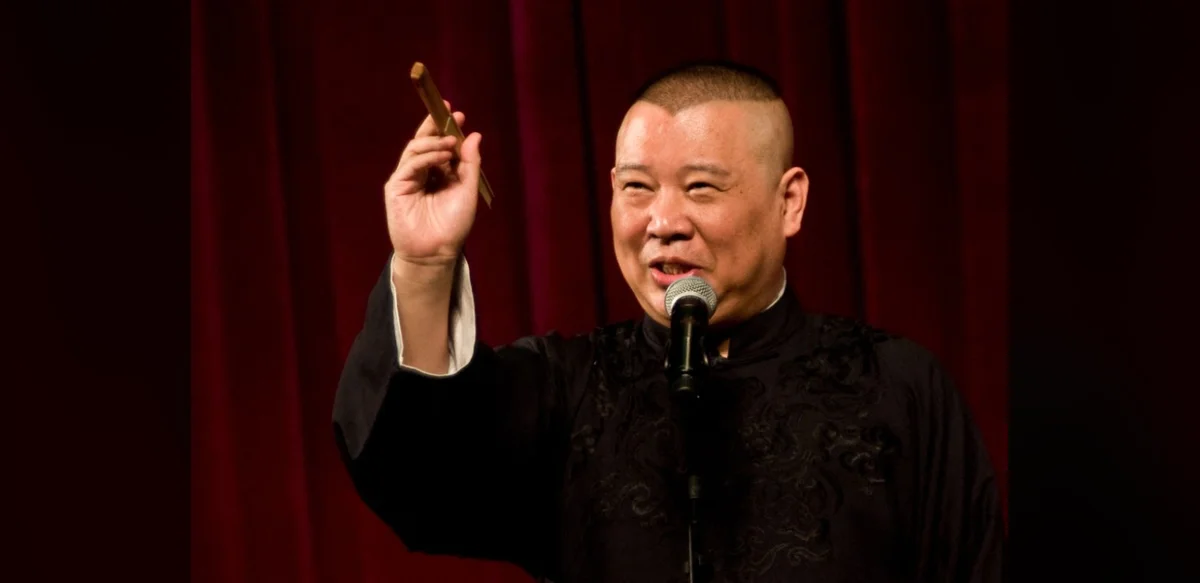
Beijing authorities have opened an inquiry into one of China’s most prominent comedians following an impromptu alteration of a well-known revolutionary song during a recent performance. The incident has drawn official attention because the original piece carries strong historical and political significance in the country.
The performer, recognized nationwide for his work in traditional comedic forms, changed several lines of the song in what appeared to be a light-hearted improvisation. While the audience reportedly reacted with laughter, the modification quickly attracted scrutiny from cultural regulators. Officials have not yet released a detailed statement, but sources indicate the investigation focuses on whether the revised lyrics violated guidelines governing public performances of revolutionary works.
Revolutionary songs occupy a special place in Chinese cultural life. They emerged during key periods of the nation’s modern history and continue to be taught in schools and performed at official events. Any public alteration, even when presented as humor, can be viewed as disrespectful to that heritage. Regulators have previously issued warnings about the need to preserve the original spirit of such material when it is presented to live audiences.
The comedian in question built his career reviving and modernizing a classic form of Chinese crosstalk comedy. His routines often blend storytelling, wordplay, and social observation, attracting large crowds and a substantial online following. Supporters describe his style as rooted in everyday life and accessible to broad audiences. Critics, however, have occasionally noted that his willingness to test boundaries sometimes leads to friction with authorities.
Industry observers suggest the current inquiry reflects ongoing efforts to balance artistic expression with respect for national symbols. Similar cases in recent years have involved musicians, actors, and online influencers who incorporated historical references into satirical content. Outcomes have ranged from private warnings to temporary performance bans, depending on the perceived severity of the deviation.
Public reaction so far has been muted. Some social-media users expressed surprise that an off-the-cuff lyric change could trigger formal review, while others argued that revolutionary songs deserve protection from casual reinterpretation. State media outlets have not yet published editorials on the matter, leaving room for speculation about how the story will develop.
The investigation is expected to examine video recordings of the performance, audience reactions, and any prior statements by the comedian about the song. Legal experts note that Chinese regulations on cultural performances emphasize the protection of revolutionary heritage, though enforcement can vary by region and context. No charges have been announced, and the comedian’s representatives have not issued a public response.
This episode underscores the delicate position of entertainers who work with politically charged material. Even established figures with decades of experience can face questions when improvisation intersects with symbols of national history. The coming weeks will likely clarify whether the inquiry leads to formal sanctions or concludes with a lesser administrative measure.
For now, the case serves as a reminder that comedic performances in China operate within clearly defined cultural boundaries. Artists continue to navigate those boundaries daily, weighing audience expectations against regulatory expectations. The outcome of this particular review may influence how other performers approach similar material in future shows.


