

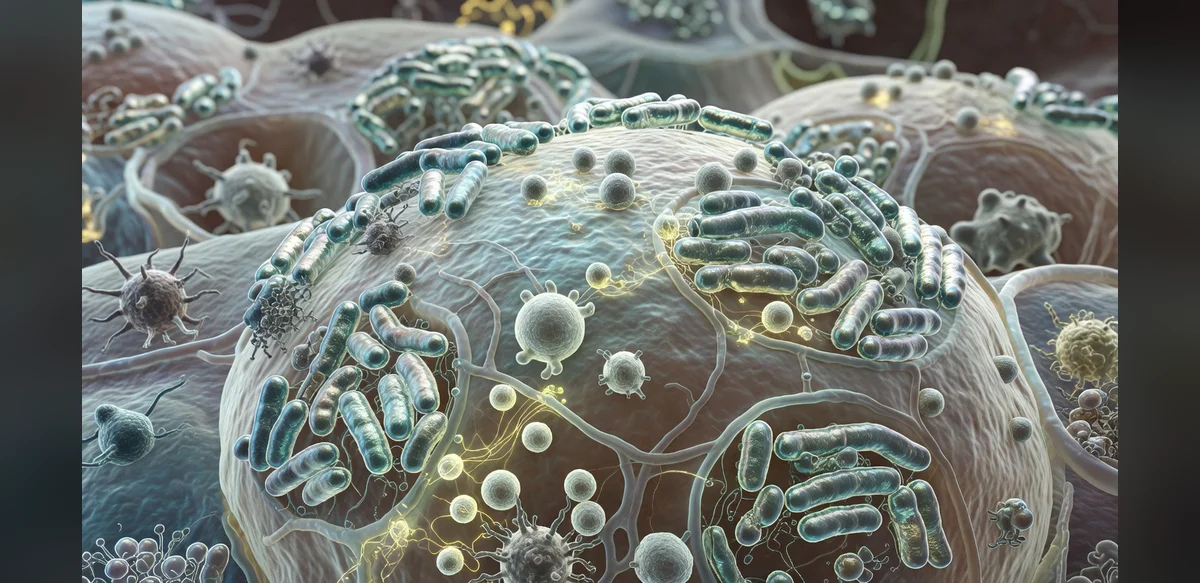
Recent investigations by researchers at the University of Colorado Anschutz have indicated that a bacterium commonly present in the mouth and respiratory passages may contribute to improved lung readiness against pneumonia. This observation centers on the potential role of the microbe in supporting the body’s natural protective responses in the pulmonary system.
Pneumonia remains a significant respiratory condition that impacts individuals across various age groups. It involves inflammation of the air sacs in the lungs, often triggered by infectious agents. The findings suggest that the presence of this particular bacterium could help prime lung tissues for more effective responses to such challenges.
The study focuses on how this organism, typically found in the upper airways, interacts with lung environments. Rather than causing issues, it appears to foster conditions that strengthen defense mechanisms. This process may involve subtle changes in tissue preparedness that allow quicker or more robust reactions to pneumonia-causing pathogens.
Experts note that the human respiratory tract hosts a variety of microorganisms that coexist with the body. The current research adds to understanding of these relationships by highlighting a possible beneficial aspect related to infection resistance. The emphasis remains on the preparatory function rather than any direct treatment outcome.
Further analysis from the university team underscores the importance of continued examination into airway microbes. While the initial results are promising, they stress that additional studies would be required to clarify the extent of this effect and its implications for overall respiratory health.
Public awareness of pneumonia prevention typically involves measures such as vaccination and hygiene practices. The new insights into microbial influences could eventually complement existing knowledge, though no immediate changes to recommendations are proposed at this stage.
The investigation was conducted in a controlled academic setting and relied on laboratory observations to identify the bacterium’s potential contributions. Researchers avoided overgeneralizing the results, maintaining a focus on the specific context of lung defense preparation.
In summary, the work from the University of Colorado Anschutz provides a foundation for exploring how everyday airway bacteria might support pulmonary resilience. This area of inquiry aligns with broader efforts to understand the complex interactions within the human microbiome and their influence on health outcomes.
Ongoing discussions in the scientific community may build upon these observations to assess similar microbial roles in other respiratory conditions. The neutral presentation of findings encourages measured interpretation without premature conclusions.
Readers interested in respiratory health topics are advised to consult medical professionals for personalized information. The research serves as an example of how incremental discoveries can inform future directions in medical inquiry.


