


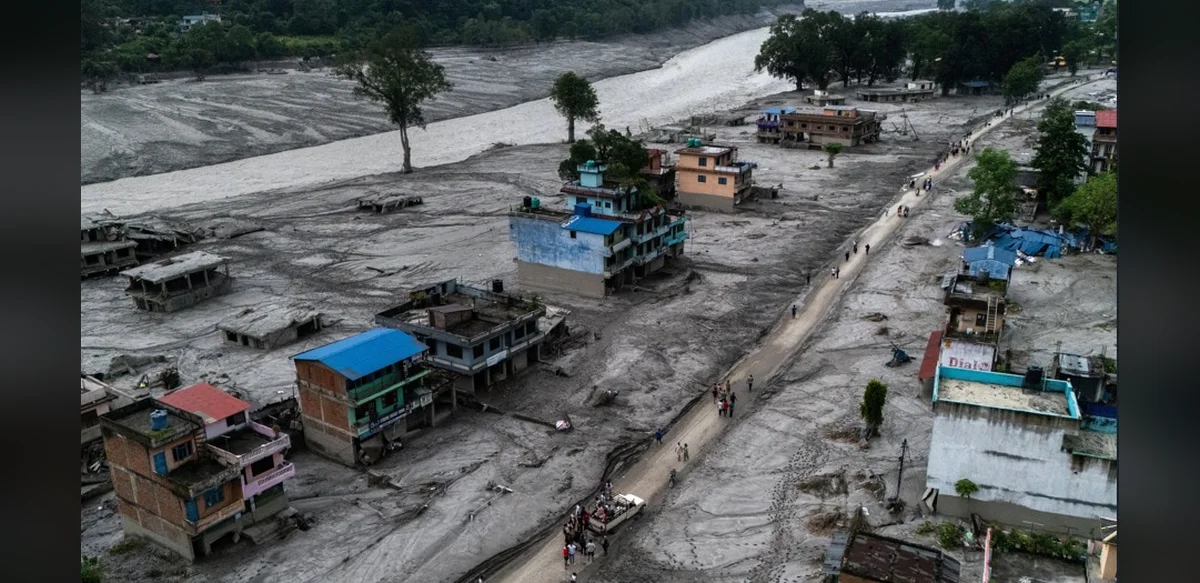
Rescue operations in Nepal continue following severe flooding that has claimed nearly 700 lives. Authorities report ongoing challenges as water levels in several rivers continue to increase, complicating efforts to reach affected communities. Survivors face mounting difficulties due to shortages of essential supplies including food, clean water, and medical aid.
The disaster has impacted multiple regions, leaving many without access to basic necessities. Relief teams are working to distribute available resources, but logistical hurdles persist because of damaged infrastructure and unpredictable weather patterns. Local officials emphasize the need for additional support to prevent further hardship among displaced populations.
Communities along riverbanks have been particularly hard hit. Rising waters have submerged homes and agricultural lands, forcing residents to seek higher ground. In some areas, temporary shelters have been established, yet overcrowding and limited provisions remain concerns. Health workers are monitoring for potential outbreaks of waterborne diseases as sanitation conditions deteriorate.
Government agencies have mobilized additional personnel to assist in search and recovery missions. The focus remains on locating missing individuals while ensuring the safety of rescue workers. International organizations have offered assistance, though coordination efforts are still in progress.
Economic impacts are becoming evident as farming activities halt and transportation routes stay disrupted. Markets in affected zones report limited stock, contributing to rising prices for staple goods. Families dependent on daily wages find themselves in precarious situations with few immediate alternatives.
Meteorological forecasts suggest continued rainfall in parts of the country, raising fears of further flooding. Preparedness measures include warnings to residents in vulnerable locations and pre-positioning of emergency kits where feasible. Community leaders are urging caution and cooperation with evacuation orders.
The scale of the crisis underscores the importance of long-term resilience planning. Discussions among policymakers center on improving early warning systems and infrastructure to mitigate future risks. Recovery will require sustained investment in rebuilding homes, restoring livelihoods, and strengthening supply chains.
Aid distribution points have been set up in accessible locations, though access remains uneven across remote districts. Volunteers and local groups play a key role in bridging gaps, delivering items such as blankets, hygiene products, and ready-to-eat meals. Coordination between central and regional authorities aims to prioritize the most severely impacted zones.
Survivors recount difficult conditions in the aftermath, highlighting the sudden nature of the floods and the rapid loss of belongings. Psychological support services are being considered as part of broader relief strategies to address trauma alongside physical needs.
Overall, the situation demands continued attention from both national and external partners. Progress in rescue and relief depends on favorable weather and efficient resource allocation. Updates from the ground indicate gradual improvements in some sectors, yet the full extent of recovery lies ahead.

