


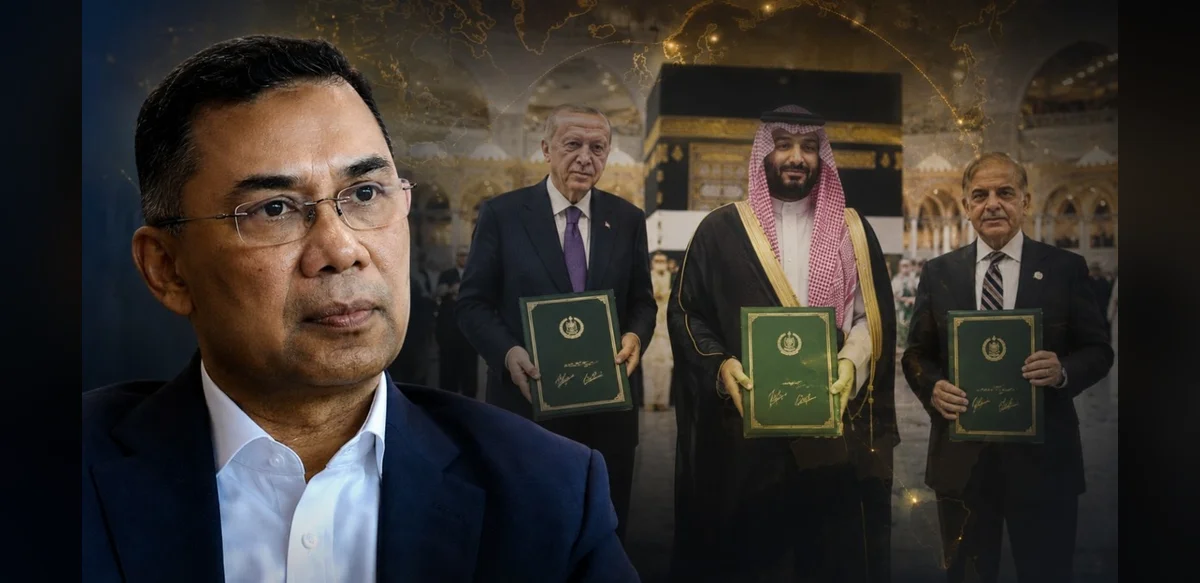
Bangladesh has indicated that it perceives no significant risks associated with participating in the Mecca Pact, a proposed joint defense arrangement involving several Muslim-majority nations. Officials have framed the initiative as an internal affair among Muslim countries, suggesting that it should not interfere with existing bilateral relationships or broader foreign policy objectives.
According to statements from Dhaka, the pact represents a collaborative effort focused on security cooperation within the Muslim world. Authorities emphasized that joining would not compromise ties with other partners or alter the country’s longstanding positions on regional stability. The move comes shortly after Saudi Arabia formalized aspects of the agreement, prompting discussions across South Asia and the Middle East.
Analysts note that Bangladesh maintains a careful balance in its international engagements, prioritizing economic partnerships and security dialogues without aligning exclusively with any single bloc. The government has reiterated its commitment to non-alignment principles while exploring opportunities that align with national interests. This approach allows for participation in multilateral forums without disrupting established trade routes or diplomatic channels.
The Mecca Pact has been described in official communications as a mechanism for enhancing collective defense capabilities among participating states. Bangladesh officials have clarified that the arrangement focuses on shared concerns such as regional threats and capacity building, rather than targeting any external entities. This perspective aims to reassure international observers that the pact remains inward-looking and cooperative in nature.
In the coming weeks, a high-level visit from Bangladesh to Riyadh is anticipated, where further details on potential involvement may be discussed. Such engagements are expected to cover not only defense matters but also economic cooperation, cultural exchanges, and humanitarian initiatives. The emphasis remains on ensuring that any new commitments complement rather than conflict with ongoing projects in infrastructure, energy, and education sectors.
Public reactions within Bangladesh have been measured, with many citizens viewing the development through the lens of religious solidarity and pragmatic diplomacy. Community leaders have highlighted the importance of unity among Muslim nations on issues of mutual concern, while stressing the need for transparency in how such pacts are implemented. Media coverage has largely focused on the potential benefits for regional peace and the avoidance of unnecessary entanglements.
Internationally, the announcement has drawn attention from observers tracking shifts in Middle Eastern alliances and their ripple effects across Asia. Experts suggest that Bangladesh’s cautious endorsement could encourage other nations to consider similar participation, provided assurances are given regarding sovereignty and operational independence. The framing as a family matter among Muslim states appears designed to minimize perceptions of geopolitical maneuvering.
Economic implications are also under review, as defense collaborations often intersect with technology transfers, training programs, and joint ventures. Bangladesh has expressed interest in leveraging any such opportunities to bolster its own security infrastructure while maintaining fiscal prudence. Officials have assured that budgetary allocations for defense will remain consistent with national priorities and development goals.
Overall, the position articulated by Bangladesh underscores a desire to engage constructively with fellow Muslim countries on security issues without jeopardizing its diversified foreign relations. As discussions progress, further clarifications are expected on the specific terms of involvement and the mechanisms for dispute resolution within the pact framework. This measured approach reflects the country’s broader strategy of pursuing partnerships that support stability and prosperity.

