


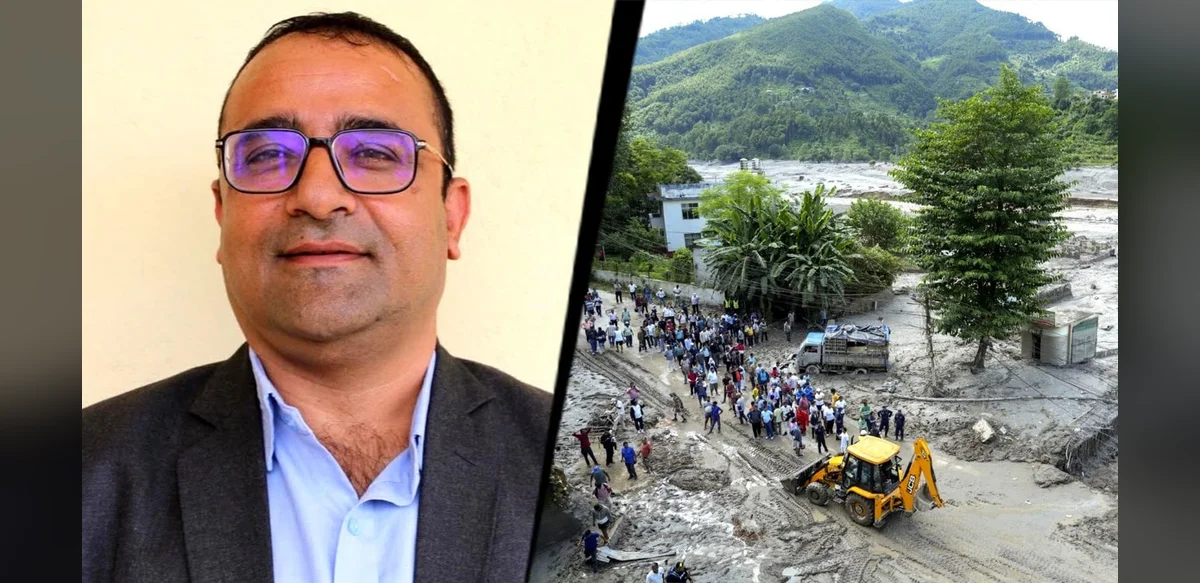
In a remote valley in Nepal, an educator demonstrated remarkable presence of mind when sudden flash floods threatened a large school community. The incident unfolded in the Trishuli valley area of Nuwakot district, where heavy rainfall led to rapidly rising waters that caught many residents off guard.
The teacher, acting without delay, organized the evacuation of 1,643 children from the school premises. By directing students along safer routes away from the riverbanks, the quick response helped avoid what could have been a major disaster. Local reports indicate that the floods arrived with little warning, turning normally calm waterways into powerful torrents.
Flash floods in mountainous regions often develop suddenly due to intense rainfall upstream. In this case, the timing coincided with school hours, placing many young people in potential danger. The educator’s decision to move everyone to elevated ground proved decisive in ensuring their safety.
Authorities later confirmed that no children were harmed during the event. Rescue teams arrived shortly afterward to assist with further evacuations in surrounding villages. The episode highlights the importance of preparedness in areas prone to seasonal flooding.
Nepal experiences monsoon-related flooding each year, particularly in river valleys. Communities in such regions rely on local knowledge and rapid action when official warnings are limited. Schools often serve as central points during emergencies, making staff training and clear procedures essential.
Following the floods, assessments began on damage to infrastructure including roads and bridges. Temporary shelters were set up for families whose homes were affected. Aid organizations distributed food and clean water while repairs got underway.
The event also prompted discussions about improving early warning systems in rural districts. Better monitoring of rainfall and river levels could provide additional time for evacuations in future incidents. Community drills and coordination between schools and local officials were identified as areas for potential enhancement.
Parents expressed relief that their children returned home safely. Many credited the teacher’s calm leadership for preventing panic among the students. Accounts from the scene described an orderly movement to higher ground despite the challenging conditions.
Environmental factors such as deforestation and changing weather patterns have been linked to increased flood risks in the Himalayas. Experts note that while natural events cannot be prevented, human preparedness can significantly reduce their impact.
Recovery efforts continued in the days after the floods subsided. Volunteers helped clear debris and restore access to affected areas. The school itself sustained minimal damage thanks to its location slightly above the flood line.
This incident serves as a reminder of the role individuals can play in crisis situations. Training programs for teachers in disaster-prone zones may offer valuable skills for similar future events. Collaboration between government agencies and local communities remains key to building resilience.
Overall, the successful evacuation stands as an example of effective response under pressure. It underscores how timely decisions can protect vulnerable populations during extreme weather. Continued focus on education and infrastructure improvements could help mitigate risks in Nepal’s flood-prone valleys.

