


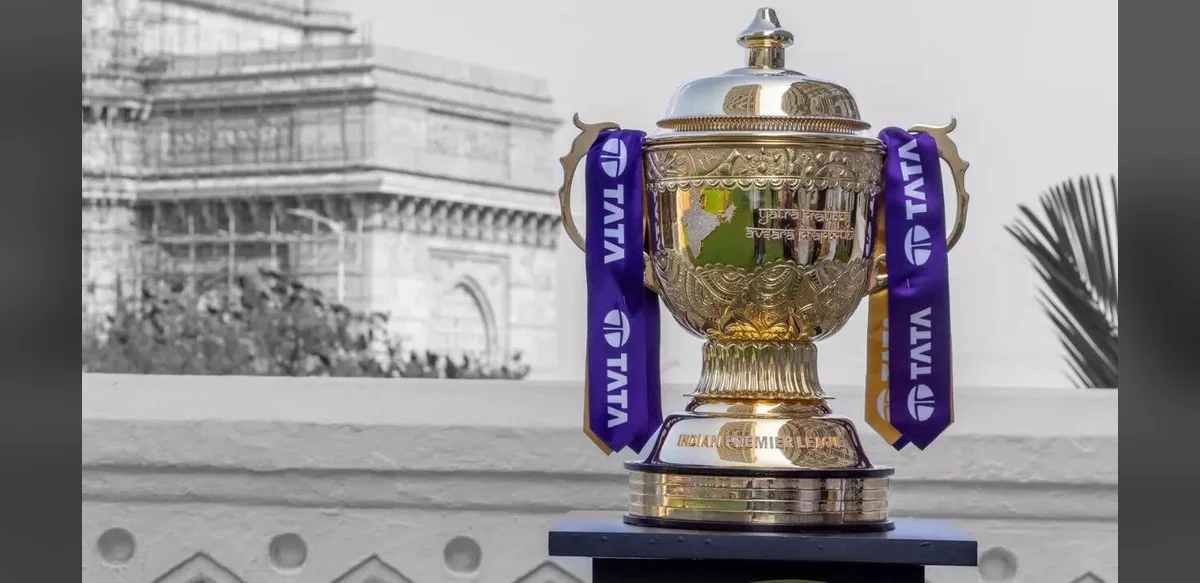
The upcoming auction for Indian Premier League media rights has raised questions about the Board of Control for Cricket in India and its approach to securing optimal value. With only one major entity appearing as a serious contender, concerns have emerged regarding potential shortfalls in revenue generation for the league.
In recent years, the IPL has grown into one of the most valuable cricket properties globally. Previous rights deals have delivered substantial sums to the board, supporting player salaries, franchise operations, and broader cricket development initiatives across the country. The current process, however, appears to lack the competitive tension seen in earlier cycles.
Industry observers note that JioStar has positioned itself as the primary interested party. This situation contrasts with past auctions where multiple broadcasters and digital platforms engaged in bidding wars, driving up prices significantly. Without additional participants, the board may find it challenging to achieve or exceed previous benchmarks.
Officials within the cricket administration have not publicly detailed any contingency measures. Questions persist about whether alternative strategies, such as revised package structures or phased negotiations, are under consideration. The absence of visible backup plans has prompted discussions among stakeholders about the long-term financial implications for the sport.
The IPL operates on a model that relies heavily on media income to sustain its ecosystem. Teams depend on these funds for squad building and infrastructure. A lower-than-expected rights fee could influence future seasons, including player retentions and auction dynamics.
Market analysts suggest that digital streaming has transformed how rights are valued. Platforms now compete not only on traditional television but also on online viewership metrics. This shift has benefited the league previously, yet the current bidder landscape indicates possible consolidation among major players.
The board faces the task of balancing commercial objectives with the need to maintain the league’s appeal. Any decision on rights allocation will likely influence scheduling, broadcast quality, and international interest in the competition.
Stakeholders including franchise owners and players await clarity on the outcome. The process remains ongoing, with formal announcements expected in the coming weeks. Until then, speculation continues about the final valuation and its effects on Indian cricket’s growth trajectory.
Broader economic factors, such as advertising market conditions and regulatory considerations, may also play a role in determining the final agreement. These elements add layers of complexity to an already intricate negotiation environment.
Ultimately, the situation highlights the evolving nature of sports media rights in a competitive digital era. The board’s handling of this auction will serve as a reference point for future dealings in domestic and international cricket properties.

