


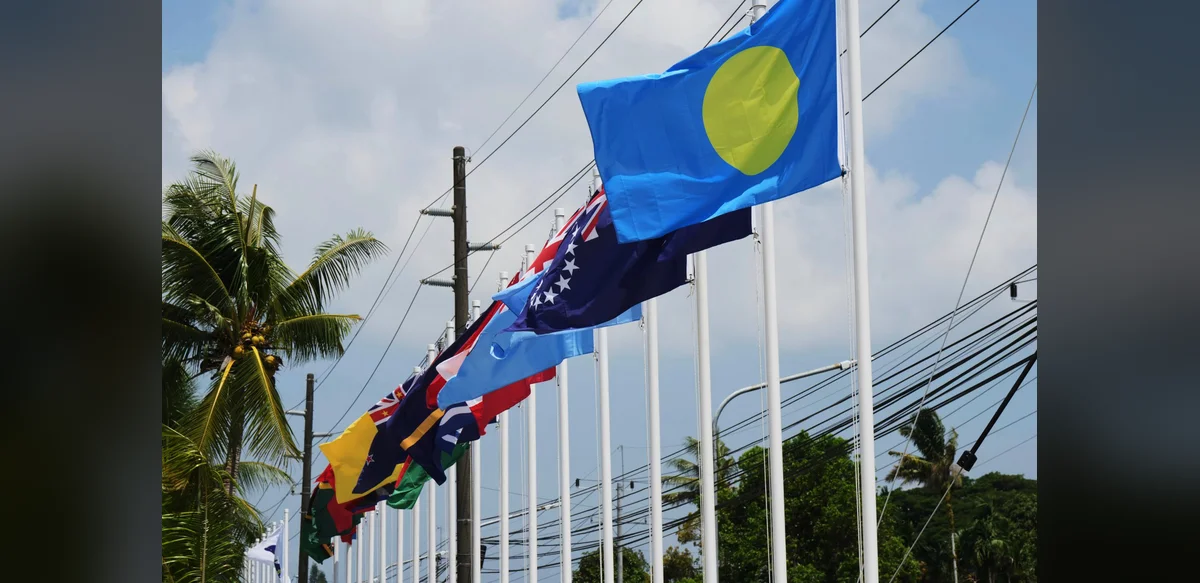
Leaders from some of the planet’s smallest countries have gathered in the Pacific archipelago of Palau for a regional summit. The event takes place far from major global hubs such as New York or Davos, in a quiet tropical environment without traffic signals. Palau’s modest population of around 18,000 is expected to increase temporarily to about 20,000 with the arrival of representatives from numerous nations.
The meeting focuses on issues important to low-lying island states, including climate change impacts, sustainable development, and ocean resource management. Participants represent countries with limited populations and land areas, many of which face unique challenges from rising sea levels and economic vulnerabilities.
Observers note that tensions among larger global powers could draw attention away from the core agenda. Discussions on international cooperation may be complicated by broader geopolitical dynamics involving major nations. Despite this, organizers emphasize the value of direct dialogue among the attending states to address shared concerns.
Palau, known for its marine biodiversity and clear waters, provides a neutral venue for these talks. The host nation has prepared facilities to accommodate the influx of visitors while maintaining its usual calm atmosphere. Local infrastructure, though limited, supports the event through careful planning.
Attendees include heads of government and senior officials from across the Pacific and beyond. Sessions cover topics such as disaster preparedness, renewable energy transitions, and strengthening regional partnerships. The summit aims to produce joint statements on collective priorities without external interference.
The gathering underscores the role of smaller nations in international forums. Even with modest sizes, these countries contribute perspectives on global matters like environmental protection and equitable resource distribution. Their voices often highlight the need for inclusive decision-making processes.
Logistical arrangements account for the remote location, with travel involving multiple connections for many delegates. Security measures remain standard for such events, ensuring a safe environment for productive exchanges. Cultural exchanges and informal meetings supplement the formal program.
Climate resilience stands out as a central theme, given the vulnerability of island ecosystems. Participants share experiences on adapting to changing weather patterns and protecting coral reefs. These conversations seek practical solutions tailored to limited national capacities.
Economic cooperation also features prominently. Ideas for tourism development, fisheries management, and digital connectivity are explored to foster mutual growth. The summit provides a platform for bilateral agreements that might otherwise be overlooked in larger conferences.
Overall, the event highlights both opportunities and pressures facing small island states. While great power competition adds complexity, the focus remains on advancing common interests through dialogue and collaboration. Outcomes will likely influence future regional strategies and international advocacy efforts.
Further sessions are scheduled over several days, allowing time for in-depth negotiations. Results will be communicated through official channels once concluded. The Palau gathering serves as a reminder of the diverse scales at which global diplomacy operates.

