


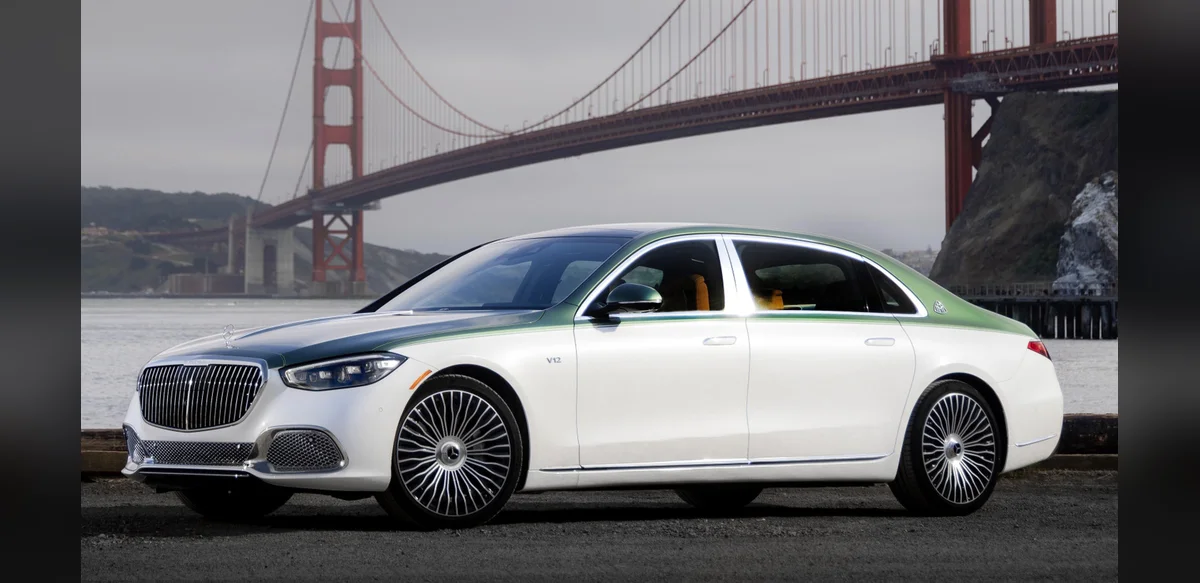
Recent observations in the automotive sector highlight an interesting regulatory distinction affecting two high-end vehicles that deliver identical fuel economy figures. Both models achieve approximately fifteen miles per gallon combined, yet only one incurs an additional federal levy known as the gas guzzler tax. This difference stems from vehicle classification rules established decades ago.
The gas guzzler tax originated in the late nineteen seventies as part of broader efforts to encourage better fuel economy amid concerns over energy supplies. At that time, lawmakers focused primarily on passenger cars, which dominated the market. Sport utility vehicles remained relatively rare and were therefore placed outside the scope of the regulation. As a result, any vehicle officially categorized as an SUV avoids the tax regardless of its actual consumption rate.
One model in question is a full-size luxury sedan, which falls under the passenger car category and therefore triggers the tax when its efficiency falls below certain thresholds. The other is an SUV variant that benefits from the exemption built into the original statute. Despite sharing the same mileage rating, the sedan carries an extra cost at purchase while the SUV does not.
This classification system has drawn attention because modern SUVs often match or exceed the dimensions and weight of traditional sedans. Manufacturers have adapted by offering larger, more powerful options within the SUV segment, which continues to enjoy the regulatory advantage. Critics argue that the decades-old distinction no longer aligns with current market realities where SUVs represent a substantial portion of new vehicle sales.
Regulators have not revised the underlying definitions since the law took effect. The exemption for SUVs reflects the limited presence of such vehicles during the period when the legislation was drafted. Consequently, any model meeting the technical criteria for an SUV remains free from the tax even if its performance mirrors that of a taxed sedan.
Industry analysts note that this situation creates an uneven competitive landscape for luxury brands. Buyers seeking maximum space and comfort may gravitate toward the SUV option to avoid the added expense. Meanwhile, the sedan version carries the financial penalty despite offering comparable efficiency and often similar interior accommodations.
The tax itself is calculated on a sliding scale based on how far below the twenty-two-and-a-half mile per gallon threshold a vehicle falls. At fifteen miles per gallon, the applicable amount reaches several thousand dollars per unit. This sum is paid by the manufacturer and typically incorporated into the final retail price passed on to consumers.
Discussions around potential updates to the gas guzzler framework have surfaced periodically, yet no comprehensive overhaul has occurred. Proposals to include SUVs or to adjust thresholds for all light-duty vehicles have not advanced to enactment. As a result, the original framework continues to govern tax obligations for new models entering the market.
From a consumer perspective, the disparity underscores the importance of understanding vehicle classifications when evaluating total ownership costs. Fuel economy stickers provide useful data, but they do not always reflect additional regulatory charges that may apply. Prospective purchasers are encouraged to review both efficiency ratings and any associated fees before making a decision.
Manufacturers have responded by emphasizing the SUV body style in marketing materials for models that might otherwise face the tax in sedan form. This strategy allows them to maintain competitive pricing while meeting customer demand for larger vehicles. The approach illustrates how regulatory structures can influence product positioning and consumer choice over extended periods.
Overall, the case of these two vehicles demonstrates the lasting impact of policy decisions made in a different era. As vehicle designs evolve and buyer preferences shift, the distinction between taxed and exempt categories remains a notable feature of the automotive regulatory environment. Observers continue to monitor whether future legislative action will address the gap between historical intent and contemporary market conditions.

