


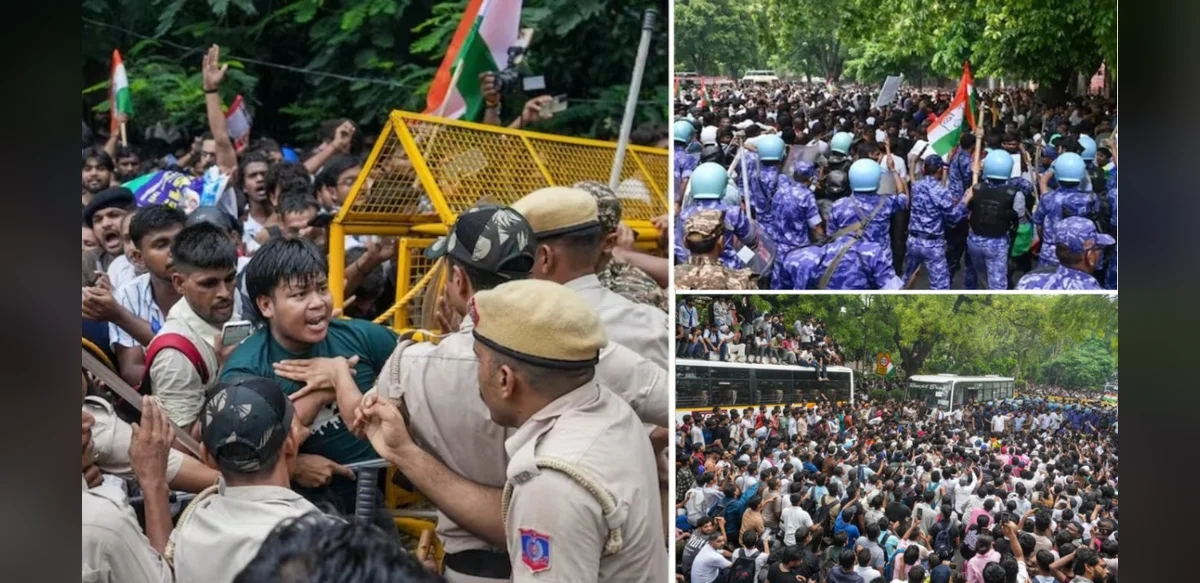
The Supreme Court has exercised its extraordinary powers under the Constitution to quash first information reports filed against individuals involved in protests. This action prevents further legal proceedings in the related matters. The Chief Justice of India described the ruling as a significant and historic step in the administration of justice.
In its order, the court invoked provisions that allow it to issue directions necessary for complete justice. The decision effectively cancels the existing cases and bars the registration of new ones connected to the same events. Legal observers note that such interventions are reserved for exceptional circumstances where continued proceedings could lead to injustice.
The Chief Justice highlighted the importance of protecting the rights of citizens engaging in peaceful expression. The ruling underscores the judiciary’s role in safeguarding fundamental freedoms while ensuring that law enforcement actions remain proportionate. Court records indicate that the protests in question had led to multiple complaints being lodged with local authorities.
This development comes amid ongoing discussions about the balance between public order and individual liberties. The court’s move is expected to influence similar cases where protesters face charges for participation in demonstrations. Analysts suggest that the precedent may encourage greater scrutiny of police actions in crowd control situations.
The judgment emphasizes procedural fairness and the need to avoid misuse of legal processes against those exercising their right to assemble. By quashing the FIRs, the Supreme Court has set aside the criminal proceedings at an early stage, thereby reducing the burden on both the accused and the judicial system.
Reactions from legal experts have been largely positive, with many viewing the order as a reaffirmation of constitutional safeguards. The Chief Justice’s remarks during the hearing reflected a commitment to upholding the spirit of the law in matters involving public dissent. The decision is likely to be cited in future litigation involving similar circumstances.
Overall, the ruling represents a notable application of judicial discretion aimed at preventing potential overreach by investigative agencies. It reinforces the principle that extraordinary powers should be used sparingly but decisively when justice demands it. The matter now stands resolved at the highest level, providing clarity to all parties involved in the original complaints.

