


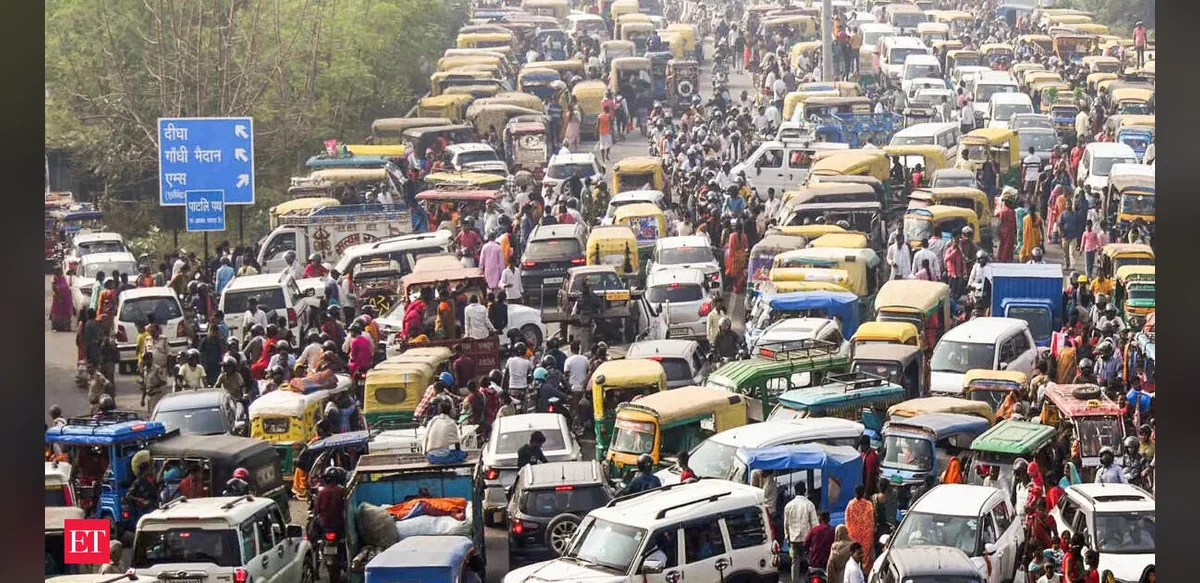
India’s automotive industry is projected to experience steady expansion during the fiscal year ending March 2027, with two-wheelers and passenger vehicles serving as the primary contributors to an anticipated volume increase of eight to ten percent. This outlook stems from recent performance data and broader market trends observed across the sector.
Recent monthly figures from August 2026 indicated strong double-digit growth in sales volumes for nearly all vehicle segments and major producers. Such results highlight resilience in demand despite varying economic conditions. Industry analysts note that recovery in rural markets and improved financing options have supported these gains.
Two-wheeler manufacturers in particular recorded notable year-over-year advances. Companies focused on motorcycles and scooters benefited from renewed consumer interest in affordable personal transport. This segment continues to represent a significant portion of overall industry volumes and is expected to maintain its momentum through the next fiscal period.
Passenger vehicle sales also showed positive movement, driven by demand for compact and mid-size models suited to urban and semi-urban buyers. Factors such as lower interest rates on loans and new model launches have encouraged purchases. The segment is anticipated to sustain its contribution to the overall growth target.
Commercial vehicle categories displayed mixed outcomes, with some areas achieving modest increases while others remained stable. Light commercial vehicles saw better traction due to e-commerce logistics needs, whereas heavier trucks faced slower uptake linked to infrastructure project timelines.
Overall, the sector’s performance in the reported month underscores a gradual return to pre-pandemic growth patterns. Experts emphasize that sustained policy support, including incentives for manufacturing and infrastructure development, will be crucial for maintaining this trajectory.
Market observers point to several supporting elements for the projected eight to ten percent rise. These include stable fuel prices, expanding dealer networks in smaller towns, and gradual improvement in consumer confidence. Export markets have also provided additional volume for certain producers.
Challenges remain, however, including supply chain constraints for specific components and competition from imported models. Manufacturers are addressing these through localized production and technology upgrades.
Looking ahead, the industry is likely to focus on electric variants across segments to align with long-term environmental goals. While adoption rates vary, government targets and falling battery costs are expected to accelerate this shift over the coming years.
In summary, the combination of two-wheeler and passenger vehicle strength positions the automotive sector for measured progress in fiscal 2027. Continued monitoring of economic indicators and policy developments will help refine these forecasts as the year unfolds. Additional data releases in subsequent months will provide further clarity on whether the current momentum persists.

