


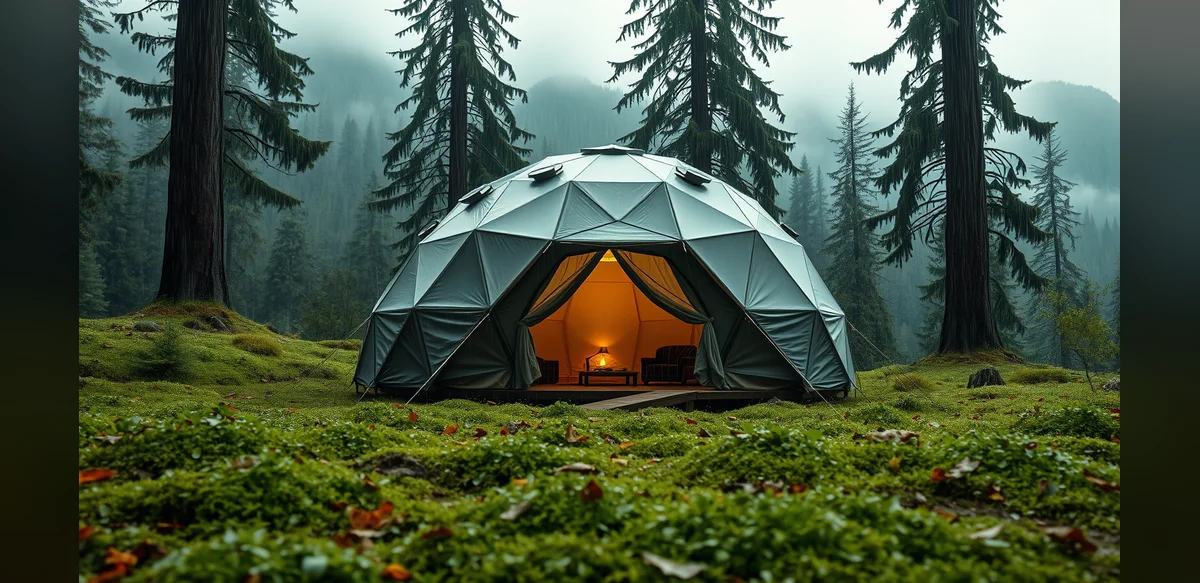
Scientists have developed a prototype tent capable of generating electricity from multiple environmental and human sources. The structure incorporates materials that respond to rain, wind, and physical movement to produce usable power.
The design aims to support off-grid activities such as camping or emergency shelters. By harvesting energy directly from its surroundings, the tent reduces reliance on batteries or external generators.
Rainwater striking the surface activates piezoelectric elements embedded in the fabric. These components convert mechanical pressure into electrical current. Wind passing over the tent inflates small turbines or flexes panels that drive similar conversion processes.
Human movement inside the tent, including walking or shifting weight, further contributes through pressure-sensitive flooring layers. The combined output can charge small devices or power low-energy lighting.
Researchers emphasize that the technology remains in early testing stages. Efficiency varies with weather conditions and user activity levels. Further refinements are needed to improve durability and energy yield.
Potential applications include disaster relief operations where traditional power sources are unavailable. The tent could also serve recreational users seeking sustainable equipment for remote locations.
Development involved collaboration across materials science and renewable energy fields. Prototypes have undergone laboratory simulations of rain, wind, and mechanical stress.
Challenges include protecting sensitive components from moisture damage and ensuring the overall structure remains lightweight and portable. Cost considerations will influence future commercial viability.
The project highlights growing interest in multifunctional materials that integrate energy harvesting into everyday objects. Similar approaches are being explored for clothing and building surfaces.
Continued testing will assess long-term performance under real-world conditions. Data collected will guide adjustments to material composition and layout.
Observers note that such innovations could contribute to broader efforts in decentralized energy production. They complement existing solar and wind technologies rather than replace them.
The tent represents one example of how everyday structures might evolve to meet energy needs without additional infrastructure. Ongoing work focuses on scaling the concept while maintaining practicality.
No specific performance metrics have been released publicly at this stage. Future reports are expected to detail output under standardized test conditions.
The initiative aligns with trends toward self-sufficient products designed for variable environments. It underscores the role of adaptive materials in sustainable design.
Further details on the underlying mechanisms and material choices are anticipated in upcoming technical publications. The research team continues to refine the prototype based on initial feedback.
Overall, the self-powered tent illustrates an integrated approach to energy generation that leverages multiple ambient sources simultaneously. Its development reflects ongoing exploration of practical renewable solutions for mobile and temporary use cases.


