


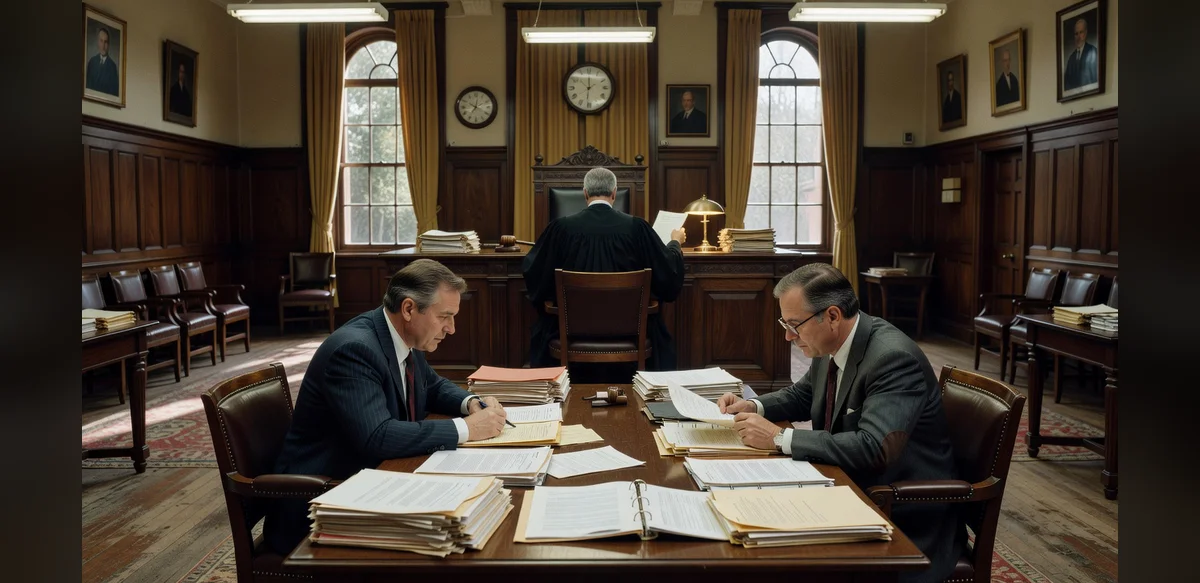
On September 15, 1987, a federal court ruling addressed funding mechanisms for a desegregation initiative in the Kansas City, Missouri School District. The decision stemmed from the ongoing Jenkins v. Missouri litigation, which had begun earlier in the decade. The case centered on efforts to address racial imbalances in public schools through a comprehensive plan approved in 1985.
The plan involved substantial investments in school facilities, magnet programs, and other resources aimed at improving educational opportunities across the district. Court records indicated that the measures were intended to attract a diverse student body and reduce segregation patterns that had persisted despite prior interventions.
Financing for these initiatives became a central point of discussion. The ruling explored options for generating revenue, including potential increases in local taxes and state contributions. Proponents argued that such steps were necessary to implement the court-ordered changes effectively, while critics raised concerns about the scale of the expenditures and their long-term implications for taxpayers.
The Kansas City case stood out for its ambitious scope. Unlike many other desegregation efforts that focused primarily on student reassignment, this approach emphasized capital improvements and specialized curricula. Over time, the plan led to the construction or renovation of numerous school buildings and the introduction of programs designed to draw students from surrounding areas.
Legal proceedings continued for years after the 1987 decision. Subsequent appeals and modifications addressed questions about the duration of the remedies, the extent of state liability, and the criteria for determining when desegregation goals had been met. The litigation highlighted tensions between judicial oversight of public institutions and local control over education policy.
Observers noted that the Kansas City experience influenced debates on school funding equity in other districts facing similar challenges. Some analyses pointed to measurable gains in facility quality and program offerings, while others questioned the overall impact on student achievement and integration levels.
By the late 1990s, the case reached the U.S. Supreme Court, which issued guidance on the limits of federal court authority in such matters. The ruling emphasized that remedies should be tailored to address specific constitutional violations and that judicial supervision should conclude once compliance was achieved.
The events of September 15, 1987, represent one chapter in a broader national conversation about equal educational access. The case illustrated how courts navigated complex issues involving race, resources, and governance in public schooling. Documentation from the period shows detailed examinations of enrollment data, facility conditions, and fiscal projections that informed the judicial process.
Today, the legacy of the Jenkins litigation continues to inform discussions on education policy and civil rights enforcement. Historians and legal scholars often reference it when examining the evolution of desegregation strategies and the role of federal courts in shaping local institutions. The financial and administrative aspects of the plan remain subjects of study for those interested in the intersection of law and public administration.
In summary, the 1987 ruling marked an important development in the effort to restructure the Kansas City schools. It underscored the challenges of implementing large-scale reforms under judicial supervision and contributed to ongoing reflections on effective approaches to educational equity. The case file contains extensive records that provide insight into the decision-making process at the time.


