


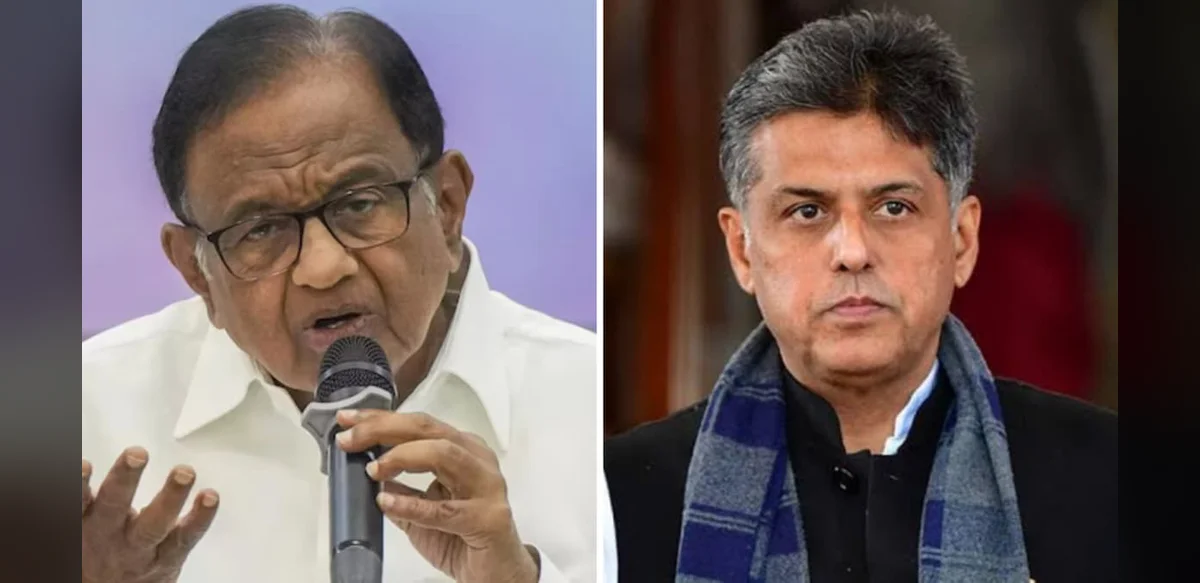
The recent announcement regarding merchant discount rate charges on certain unified payments interface transactions has drawn attention to earlier recommendations made by a parliamentary panel. Five members of the Congress party, among them senior leader P Chidambaram, participated in the committee that endorsed fees on such digital payments. The panel did not submit any dissenting notes during its deliberations.
The development coincides with the central government preparing to apply the merchant discount rate to specified merchant transactions exceeding two thousand rupees conducted through the unified payments interface system. This measure aims to address costs associated with processing these payments while maintaining the overall framework for digital transactions.
Parliamentary committees routinely examine policy proposals before they advance to implementation. In this instance the group reviewed aspects of the payments mechanism and concluded that a fee structure could support sustainability for service providers. Members from the opposition party took part in the discussions yet chose not to register formal disagreement at the time.
Observers note that the absence of dissent within the committee report reflects the consensus reached during its sessions. The report outlined benefits of introducing charges on larger transactions to balance the interests of banks, merchants and consumers. Subsequent government action follows the broad direction suggested in those findings.
Digital payment volumes have grown substantially in recent years, prompting periodic reviews of the supporting infrastructure. The unified payments interface has become a widely used method for everyday transfers, reducing reliance on cash in many sectors. Policymakers continue to evaluate how costs are distributed among participants in the ecosystem.
The current proposal limits the merchant discount rate to transactions above a defined threshold, leaving smaller payments unaffected. Officials have indicated that the step seeks to ensure long term viability of the payment rails without imposing broad burdens. Merchants handling higher value sales would see the new structure apply once the rules take effect.
Political reactions have emerged following the disclosure of the earlier committee composition. Party spokespersons have highlighted the participation of their members while emphasizing that no objections were raised during the review process. This has led to discussions about consistency between past committee positions and present statements.
Analysts suggest the episode illustrates how parliamentary oversight intersects with executive decisions on financial regulation. Committees provide recommendations that inform subsequent policy, though final implementation rests with the government. The lack of recorded dissent in this case has become a point of commentary in media coverage.
Stakeholders in the payments industry have welcomed clarity on the merchant discount rate framework. Banks and technology providers have long argued that some form of compensation is necessary to maintain and upgrade the underlying systems. The threshold based approach attempts to address those concerns while protecting smaller merchants from additional costs.
Public awareness of transaction fees remains an important factor as digital methods expand further. Educational efforts by regulators and banks aim to inform users about any applicable charges. The unified payments interface continues to evolve with new features and security enhancements to support growing usage.
The episode also underscores the role of cross party participation in legislative committees. Members from different political backgrounds contribute to reports that shape national policy. When consensus emerges without formal dissent, the resulting document carries collective weight in guiding government action.
As the implementation date approaches, merchants are preparing for the adjusted cost structure on qualifying transactions. Industry associations have called for clear guidelines to ensure smooth transition. The central bank and finance ministry are expected to issue detailed circulars outlining compliance requirements.
Overall the matter reflects ongoing efforts to refine the digital payments landscape in line with earlier expert and parliamentary input. The committee findings from previous sessions provided one reference point for the current regulatory move. Attention now turns to monitoring the effects once the merchant discount rate applies to the specified segment of unified payments interface activity.


