


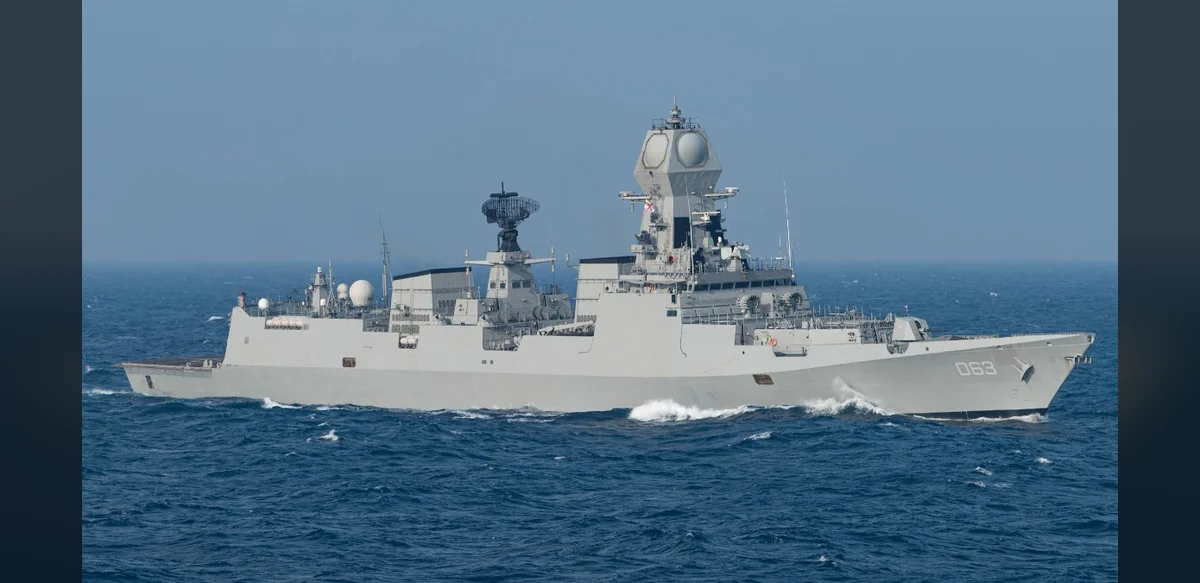
Reports have emerged regarding a maritime interaction involving an Indian Navy destroyer and a Pakistani naval vessel in regional waters. The incident has drawn attention to the capabilities of the respective ships and the broader context of naval operations in the area.
The Indian vessel in question is a modern guided-missile destroyer designed for multi-role operations including air defense, surface warfare, and anti-submarine tasks. Such platforms are equipped with advanced radar systems, missile launchers, and integrated combat management suites that allow coordinated responses in dynamic environments.
On the other side, the Pakistani ship involved is understood to be a frigate or similar class vessel typically used for patrol and escort duties. These units generally feature standard armament and sensor packages suited for littoral defense and routine maritime security missions.
Analysts note that differences in displacement, sensor range, and weapon systems can influence outcomes in close-quarters naval situations. Indian destroyers of this generation often carry longer-range surface-to-air and anti-ship missiles along with sophisticated electronic warfare support. Pakistani frigates, while capable in their designed roles, may operate with comparatively shorter detection envelopes and lighter missile loads.
The encounter reportedly occurred without escalation to direct engagement. Both navies maintain standard operating procedures for identification and communication during unplanned meetings at sea. Official statements from either side have so far remained limited, focusing on the need for de-escalation and continued adherence to international maritime norms.
Regional security observers point out that such incidents underscore the importance of established communication channels between neighboring navies. Hotlines and agreed protocols exist to prevent miscalculation during routine patrols or training exercises.
The Indian Navy has invested significantly in fleet modernization over the past decade, commissioning several stealth-oriented destroyers with enhanced endurance and automation. These additions complement existing aircraft carriers and submarine forces to project presence across the Indian Ocean region.
Pakistan’s naval strategy emphasizes coastal defense and asymmetric capabilities including fast-attack craft and submarines. Its surface fleet continues to receive upgrades through foreign acquisitions and indigenous construction programs aimed at maintaining credible deterrence.
Independent assessments of the specific ships involved highlight the Indian destroyer’s superior radar horizon and missile engagement envelope. These attributes provide greater situational awareness and response options compared with many peer vessels in the region.
Maritime experts emphasize that ship-to-ship comparisons must account for crew training, maintenance standards, and supporting assets such as aircraft or shore-based radar. A single platform does not operate in isolation during real-world scenarios.
The reported event has prompted commentary in defense circles about the risks of close approaches between warships of nations with ongoing bilateral tensions. Both sides have historically managed such situations through professional conduct at sea.
Further details remain sparse pending any joint inquiry or official clarification. Navies worldwide routinely document and review unplanned interactions to refine rules of engagement and improve safety measures.
Public interest in the story reflects broader attention to India-Pakistan relations and the role of naval power in the strategic balance. Media coverage has varied in tone, with some outlets focusing on technical specifications while others stress diplomatic channels.
Continued monitoring of regional waters is expected as both fleets maintain their operational tempo. The emphasis remains on preventing recurrence through established confidence-building measures.
In summary, the episode illustrates ongoing naval dynamics in South Asia without indicating any fundamental shift in force posture or immediate threat escalation. Professionalism at sea continues to serve as the primary safeguard against unintended consequences.


