


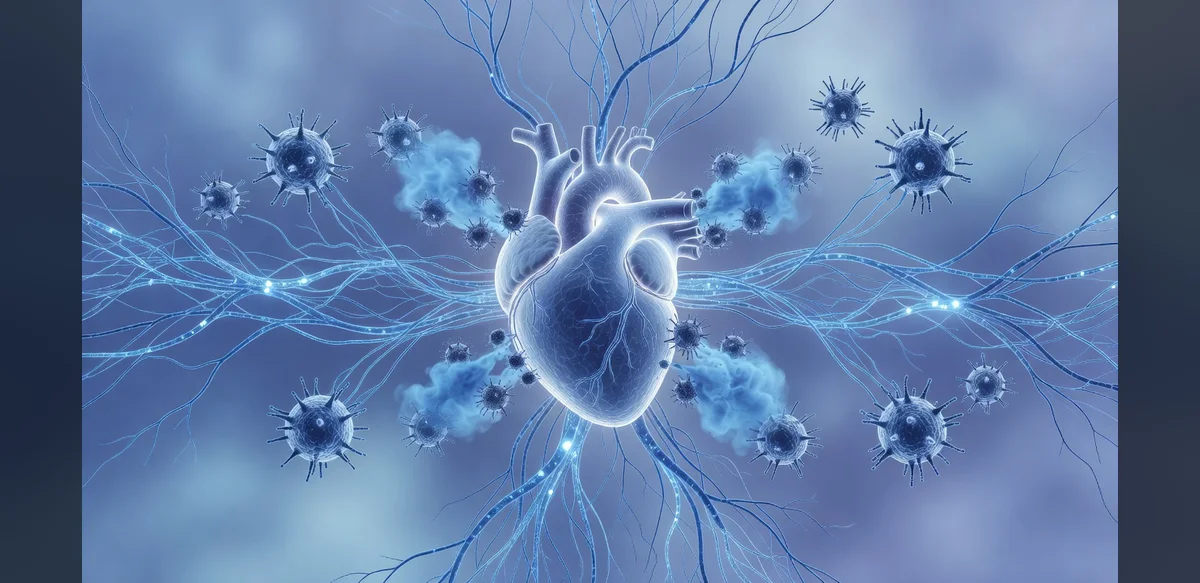
Cardiovascular conditions arise from a combination of blood flow pressures, metabolic challenges, and ongoing low-level inflammation that fails to resolve properly. Recent studies highlight how signals between the nervous and immune systems influence these processes in the heart and blood vessels.
Researchers have compiled evidence showing that the body uses neural pathways to control immune responses during heart stress. This regulation helps limit damage when inflammation becomes chronic and sterile, meaning it occurs without infection.
The review examines how initial immune activation contributes to plaque buildup and tissue injury in arteries. It then explores mechanisms that promote the return to balance, reducing swelling and supporting tissue repair.
Key findings point to specific brain regions and nerve signals that interact with immune cells in the cardiovascular system. These interactions can either worsen outcomes in heart failure or aid recovery when resolution pathways function well.
Experts note that targeting these neuroimmune connections could lead to new approaches for managing conditions like heart failure and artery disease. Current treatments focus mainly on blood pressure and cholesterol, but addressing inflammation resolution may offer additional benefits.
The synthesis of data from multiple studies underscores the need for further investigation into how lifestyle factors and medications affect these pathways. Public health efforts could incorporate this knowledge to improve prevention strategies worldwide.
Overall, understanding the shift from immune activation to inflammatory resolution provides a fuller picture of cardiovascular health. This perspective encourages integrated research combining neurology, immunology, and cardiology for better patient outcomes.
Continued work in this area may reveal biomarkers for early detection of problematic inflammation in the heart. It could also guide therapies that enhance natural resolution processes rather than solely suppressing immune activity.
The compiled evidence supports viewing cardiovascular disease through a neuroimmune lens, opening possibilities for treatments that restore balance across body systems. This approach builds on existing knowledge while addressing gaps in how chronic inflammation persists in affected individuals.


