


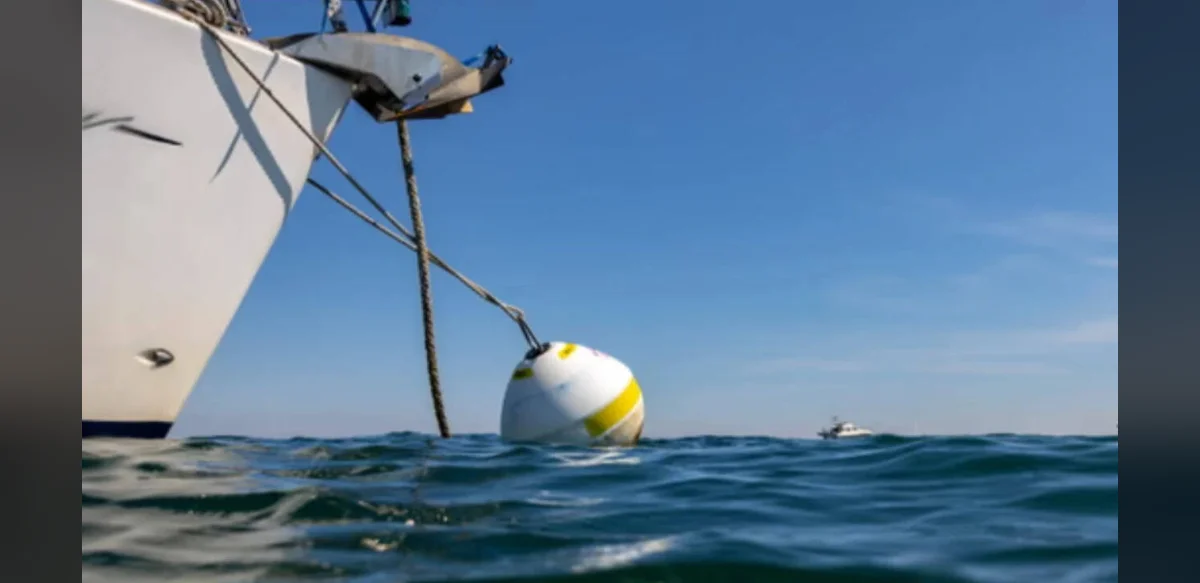
In a notable development for marine conservation efforts along the English coast, the introduction of specialized mooring systems at Studland Bay has led to substantial improvements in local seagrass habitats. These systems were implemented to address ongoing issues caused by conventional anchoring practices that had previously disturbed the seabed over extended periods.
Traditional boat anchors often create physical disruptions to underwater vegetation by dragging across the floor during mooring and unmooring activities. Over time, such repeated contact results in visible bare areas within seagrass meadows, reducing their overall density and health. The shift to alternative mooring designs aims to minimize these direct impacts while still allowing vessels to secure safely.
A detailed examination of conditions in a designated test zone revealed marked progress following the change. Measurements indicated that the extent of exposed seabed patches decreased by 94 percent across the interval from 2021 to 2025. This reduction suggests that the new approach supports natural regrowth processes in the affected areas.
Local volunteer teams conducting underwater surveys have noted additional positive indicators. Reports include greater numbers of seahorses observed in the vicinity, alongside increased encounters with eels, crabs, and various other species that inhabit the seagrass environment. These sightings point to enhanced ecological activity in the region.
Seagrass meadows serve as important components of coastal ecosystems, providing shelter and feeding grounds for numerous marine organisms. The observed recovery at this site demonstrates how targeted modifications to human activities can contribute to habitat restoration without requiring large-scale interventions.
The trial at Studland Bay offers a practical example of balancing recreational boating needs with environmental considerations. Continued monitoring will help assess whether similar methods could be applied in other locations facing comparable challenges from anchor-related disturbances.
Overall, the data collected through systematic observation underscores the potential benefits of adopting less intrusive mooring technologies in sensitive marine zones. Such measures align with broader goals of preserving biodiversity and maintaining the structural integrity of underwater plant communities.
Further documentation from ongoing diver assessments continues to build a record of species interactions within the recovering meadows. This information adds to the understanding of how habitat conditions influence local wildlife populations over multiple years.
The project highlights the value of collaborative efforts between researchers, volunteers, and maritime users in addressing specific environmental pressures. By focusing on practical adjustments to anchoring procedures, the initiative has produced measurable outcomes in a relatively short timeframe.
As awareness of these results spreads, it may encourage additional trials in comparable coastal settings where seagrass beds have experienced similar forms of degradation. The core findings remain centered on the documented reduction in bare patches and the associated rise in marine life observations.
In summary, the experience at Studland Bay illustrates a direct link between the adoption of eco-moorings and improved seagrass conditions, supported by quantitative evidence and qualitative field reports. This case provides a reference point for future discussions on sustainable practices in nearshore waters.


