


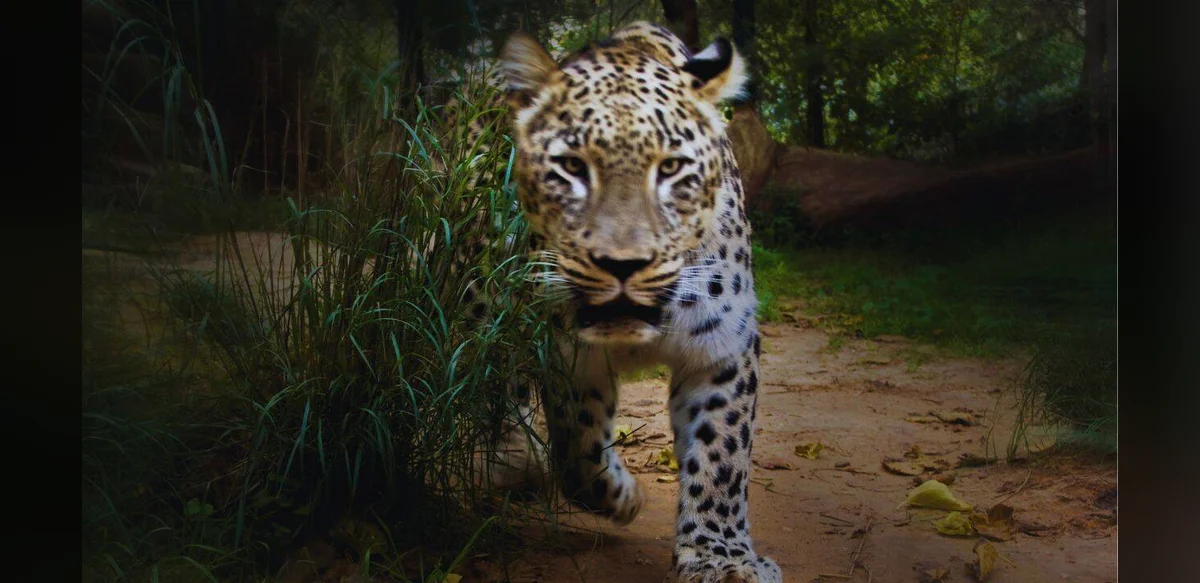
A tragic event unfolded when a thirty five year old woman lost her life following an encounter with a leopard while she was engaged in agricultural work in a field close to Sujauli. The incident took place in the Katarniaghat area of Uttar Pradesh and has drawn attention to increasing movements of wild animals in the region.
Recent flooding appears to have contributed to greater wildlife activity across the landscape. As waters rose and receded, animals including leopards have been observed venturing closer to human settlements and farmland. Local authorities had already noted several sightings of leopards in the days leading up to the event, prompting initial alerts to residents.
In response to the fatality, officials have announced plans to heighten monitoring efforts throughout the affected zones. Additional personnel and resources are being deployed to track animal movements and to provide timely warnings to communities. The goal is to reduce risks for both permanent residents and any individuals traveling through or visiting the Katarniaghat vicinity.
Katarniaghat is recognized for its diverse natural environment and the presence of various species. While this biodiversity attracts interest from those who appreciate nature, the recent developments underscore the importance of exercising care when moving through or working in areas where wildlife may be present. Simple precautions such as avoiding isolated spots during early morning or evening hours and remaining aware of surroundings can help minimize potential encounters.
Community members have been advised to report any further sightings promptly so that response teams can assess situations quickly. Coordination between forest department staff and local administration is being strengthened to ensure that information flows efficiently and that safety measures remain effective.
The broader context involves seasonal changes in water levels that periodically influence animal behavior and habitat use. Flood events can displace wildlife from usual territories, leading to temporary overlaps with agricultural lands and pathways used by people. Understanding these patterns allows for better preparedness without restricting access to the region entirely.
Authorities continue to emphasize that vigilance combined with respect for natural habitats supports safer coexistence. Educational outreach is also being considered to inform residents about basic steps they can take to protect themselves while carrying out daily activities such as farming.
As investigations into the specific circumstances proceed, the focus remains on preventing additional incidents through proactive surveillance and community engagement. Updates will be shared as new information becomes available and as enhanced monitoring systems are put into place.
The event serves as a reminder of the dynamic relationship between human activity and wildlife in regions like Katarniaghat. Balanced approaches that prioritize both safety and conservation can help maintain the ecological value of the area while protecting lives.
Ongoing assessments will determine whether temporary restrictions or additional signage are warranted in high risk zones. Such measures would aim to guide movement patterns and raise awareness without causing undue alarm.
Residents are encouraged to stay informed through official channels and to participate in local safety discussions. Collective awareness contributes significantly to reducing vulnerabilities associated with wildlife presence following environmental disruptions like flooding.
In summary, the loss of life highlights the need for sustained attention to animal movement trends and the implementation of practical safety protocols. With coordinated efforts from relevant departments, the aim is to restore a sense of security for all who live and work in the vicinity of Katarniaghat.


