


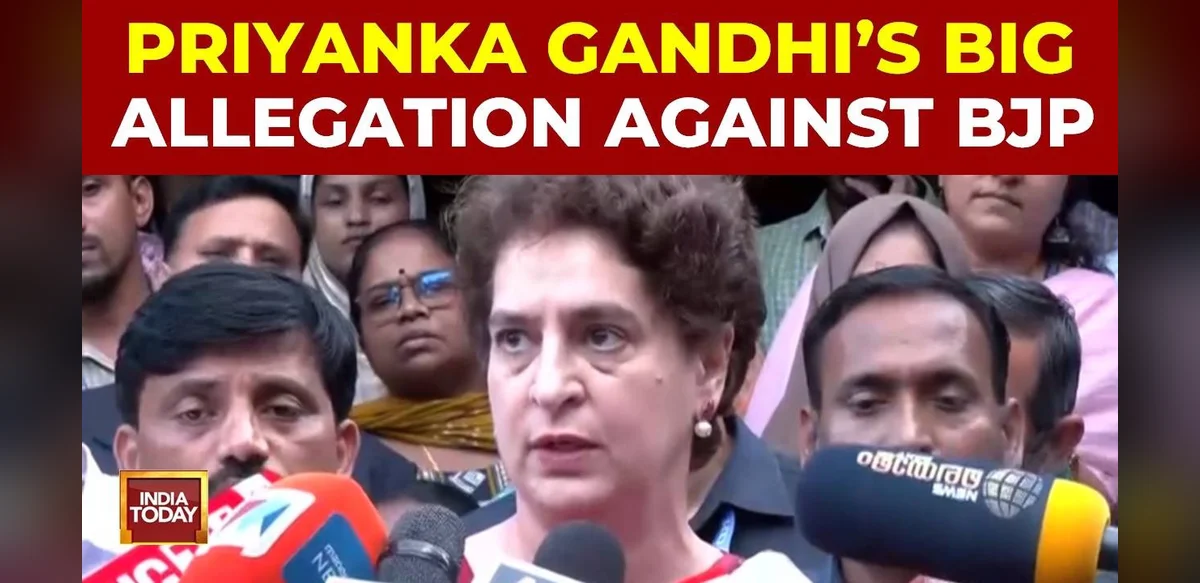
A senior opposition figure has publicly criticized the ruling party regarding the functioning of the national election authority. The remarks focused on alleged improper coordination and serious accusations of misconduct during recent electoral processes.
The statements were made during a public address where the leader highlighted perceived issues in the oversight of voting procedures. Specific concerns were raised about transparency and the independence of the body responsible for conducting polls across the country.
Observers noted that such comments come amid ongoing debates about electoral reforms and the role of institutions in maintaining democratic standards. The speaker urged greater accountability and called for investigations into claims of improper influence.
Political analysts suggest these remarks reflect broader tensions between major parties ahead of upcoming state-level votes. Supporters of the opposition view the comments as a necessary push for fairness, while ruling party representatives have dismissed them as politically motivated.
The election authority has not issued an immediate response to the latest round of allegations. In the past, it has maintained that all processes follow established legal guidelines and are subject to judicial review when required.
This exchange adds to a series of disputes between the government and opposition groups over institutional autonomy. Similar discussions have occurred in previous election cycles, often centering on the use of technology in voting and the timing of announcements.
Civil society organizations monitoring democratic practices have called for calm dialogue between stakeholders. They emphasize the importance of public trust in electoral mechanisms to ensure smooth transitions of power.
The leader in question has a history of addressing issues related to governance and public policy. Her interventions often draw attention from media outlets and party workers nationwide.
As the political calendar advances toward key contests, such statements are expected to influence campaign narratives. Both sides continue to present their positions through official channels and public platforms.
Independent experts recommend focusing on verifiable data and legal frameworks rather than rhetoric when evaluating institutional performance. This approach, they argue, helps preserve the integrity of democratic exercises.
The coming weeks may see further exchanges as parties prepare their strategies. Public interest remains high in how these developments affect voter perceptions and participation rates.
Overall, the episode underscores ongoing challenges in balancing political competition with institutional respect. Maintaining neutrality in oversight bodies continues to be a central theme in national discourse.


