


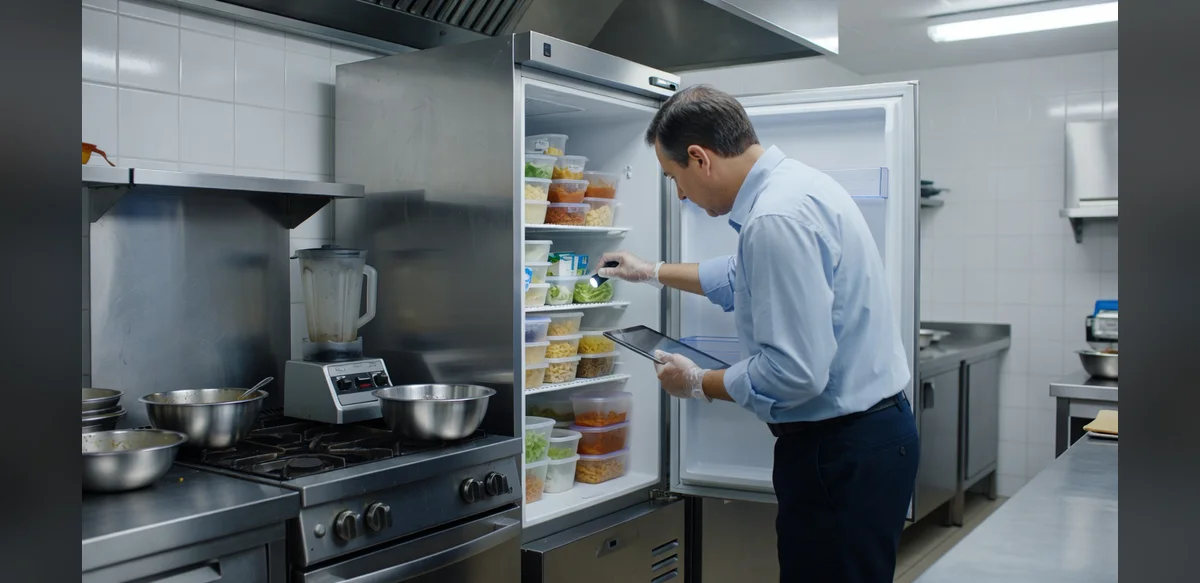
Health inspectors recently identified several issues at restaurants and related businesses in and around Wichita, Kansas. The inspections took place between September 13 and September 19, resulting in seven establishments being flagged for failing to meet required standards.
Reports highlighted problems such as moldy fruit, old meat, broken sinks, and a melted pan among other concerns. These findings point to lapses in basic food safety and facility maintenance practices that local regulations aim to prevent.
Routine health inspections serve as a key mechanism to ensure public safety in food service operations. Inspectors evaluate aspects including food storage temperatures, cleanliness of preparation areas, equipment condition, and overall sanitation protocols. When violations occur, businesses are typically required to address them promptly to resume normal operations.
The specific establishments involved have not been detailed in the initial announcement, but the list covers locations both within Wichita city limits and nearby areas. Such disclosures help inform the community about current inspection outcomes without assigning blame beyond the documented issues.
Food safety remains a priority for local health departments, which conduct these checks on a regular basis. Common violations like improper food handling or damaged fixtures can lead to temporary closures until corrections are verified. The process supports consistent standards across the industry.
Residents are encouraged to review official reports for full details once released. This transparency allows individuals to make informed choices about where they dine. The inspections reflect ongoing efforts to maintain hygiene levels that protect consumers from potential health risks associated with substandard conditions.
In broader terms, restaurant compliance with health codes contributes to the reliability of local food service sectors. Issues identified during the recent period underscore the need for vigilant management of perishable items, kitchen infrastructure, and daily cleaning routines. Authorities continue to monitor and follow up on these cases as part of standard procedures.
The announcement serves primarily as a notification rather than a comprehensive analysis. Further updates may provide additional context on resolutions or re-inspections. For now, the focus stays on the documented shortcomings at the affected sites during the specified timeframe.
Overall, the situation illustrates how periodic evaluations help identify areas for improvement in commercial kitchens. By addressing problems such as spoiled produce or faulty equipment early, operators can align with expectations set by regulatory bodies. This cycle of inspection and correction forms a foundational element of community health protection measures in the region.


