

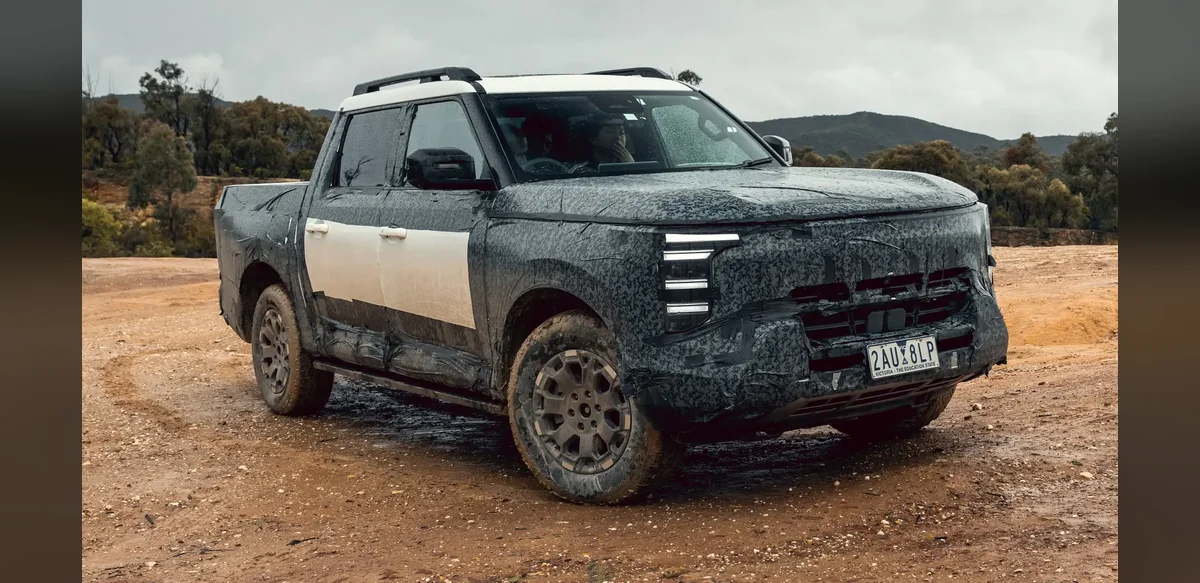
Nissan has developed a plug-in hybrid version of its Navara pickup truck, known as the Navara Pro, through collaboration with partners in China. This model is positioned as a competitor to several established vehicles in the segment, including the BYD Shark 6, GWM Cannon, and Ford Ranger.
The introduction of the plug-in hybrid powertrain marks a significant update for the Navara lineup. The vehicle combines traditional internal combustion engine capabilities with electric assistance, aiming to improve fuel efficiency and reduce emissions while maintaining the utility expected from a ute.
Industry observers note that the move reflects broader trends in the automotive sector toward electrification. Nissan has sought expertise from Chinese manufacturers to accelerate development of this hybrid system. The resulting Navara Pro is expected to offer drivers a balance between performance and environmental considerations.
Details on the powertrain include a combination of a gasoline engine and electric motors, with the ability to operate in electric-only mode for shorter distances. This setup allows for lower fuel consumption during daily use and supports recharging through standard outlets or regenerative braking.
The Navara has long been a staple in markets requiring durable work vehicles. With the addition of hybrid technology, Nissan aims to appeal to buyers seeking modern features without sacrificing payload or towing capacity. Official specifications indicate that the hybrid variant retains the core strengths of previous models while adding new efficiency benefits.
Competition in the midsize pickup segment has intensified in recent years. Models such as the BYD Shark 6, GWM Cannon, and Ford Ranger have introduced their own hybrid or electric options, prompting established brands to respond with updated offerings. Nissan’s approach leverages international partnerships to bring the Navara Pro to market efficiently.
Market analysts suggest that the plug-in hybrid Navara could attract fleet operators and individual buyers interested in lower running costs. Government incentives for hybrid vehicles in various regions may further support adoption of the new model.
Production timelines indicate that the Navara Pro will be available in select markets following regulatory approvals. Nissan has emphasized quality control measures to ensure the hybrid components meet the brand’s reliability standards.
Overall, the development represents Nissan’s strategy to integrate advanced powertrain technologies into its commercial vehicle range. The collaboration with Chinese entities provides access to specialized components and engineering knowledge tailored to hybrid systems.
Future updates may include refinements based on customer feedback and evolving regulatory requirements. Nissan continues to monitor advancements in battery technology and electric drivetrains to inform subsequent iterations of the Navara lineup.
The Navara Pro is anticipated to contribute to the company’s goals of expanding its presence in the electrified vehicle market. By addressing both performance and sustainability, the model seeks to meet the needs of a diverse customer base across global regions.
In summary, the plug-in hybrid Navara emerges as a direct response to competitive pressures and shifting consumer preferences. The partnership with Chinese suppliers underscores the interconnected nature of modern automotive manufacturing.


