


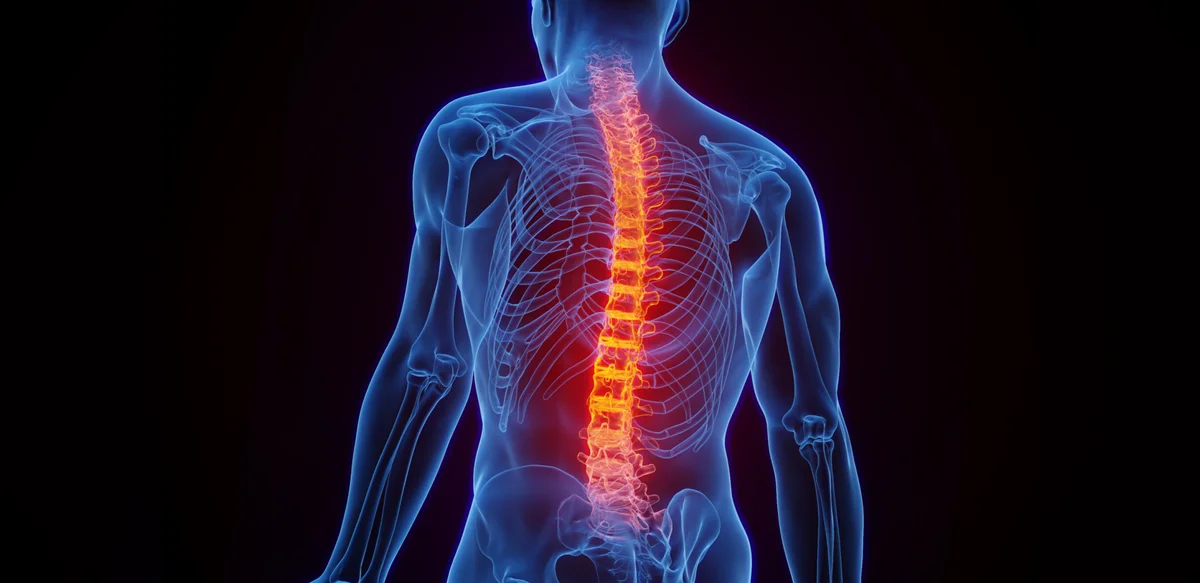
Reports have emerged regarding a claimed medical procedure involving the transplantation of spinal cord tissue. According to statements made to a science publication, the operation took place in Russia and involved transferring a segment of spinal cord from a donor who had been declared brain dead to a recipient with a full spinal cord injury.
The announcement has drawn attention within the medical community because such transplants are not standard practice. Spinal cord injuries often result in permanent loss of function below the site of damage, and current treatments focus mainly on rehabilitation and managing symptoms rather than replacing damaged tissue.
Details shared so far indicate that the procedure used donor material to address a complete injury. However, independent verification of the outcome remains limited at this stage. Researchers not involved in the case have expressed caution, noting that claims of this nature require extensive documentation and peer-reviewed evidence before they can be accepted as successful.
Medical experts emphasize that any transplant involving the spinal cord would face significant biological challenges. These include ensuring the transplanted tissue integrates properly with the recipient’s nervous system, avoiding rejection by the immune system, and confirming that nerve signals can travel across the repaired area.
The surgeon who described the operation has not released comprehensive data on the patient’s recovery or long-term results. This absence of detailed follow-up information contributes to the skepticism voiced by other scientists. They point out that previous attempts at similar interventions have not produced reliable functional improvements.
Spinal cord injuries affect thousands of people worldwide each year, often from accidents or other trauma. Standard care involves stabilizing the spine, preventing further damage, and supporting patients through physical therapy. Experimental approaches such as stem cell therapies or nerve grafts have been explored in laboratories, but none have become routine clinical options.
The reported Russian procedure stands out because it involves direct transplantation of spinal cord material rather than other regenerative techniques. If substantiated, it could represent a novel direction in neurosurgery. At present, however, the scientific community awaits more rigorous evidence, including imaging studies, neurological assessments, and independent review.
Concerns also extend to ethical considerations surrounding the use of tissue from brain-dead donors. Protocols for consent, tissue matching, and surgical safety must meet established medical standards. Any deviation from these norms would require careful justification.
Further reporting is expected as additional information becomes available. Until then, the claim remains unverified beyond the initial statements provided to the science publication. Researchers continue to stress the importance of transparent data sharing to allow proper evaluation of the technique’s safety and effectiveness.
This development highlights ongoing interest in advancing treatments for spinal cord injuries. While progress in related fields such as biomaterials and neuroprosthetics offers hope, each new approach must undergo thorough testing. The current report serves as a reminder that extraordinary medical claims demand extraordinary evidence before they can influence clinical practice.
Observers note that the coming months will likely bring more commentary from specialists in neurology and transplant medicine. Their assessments will help determine whether the described method merits further investigation or clinical trials. For now, the story remains one of a reported first that awaits confirmation through established scientific channels.

