


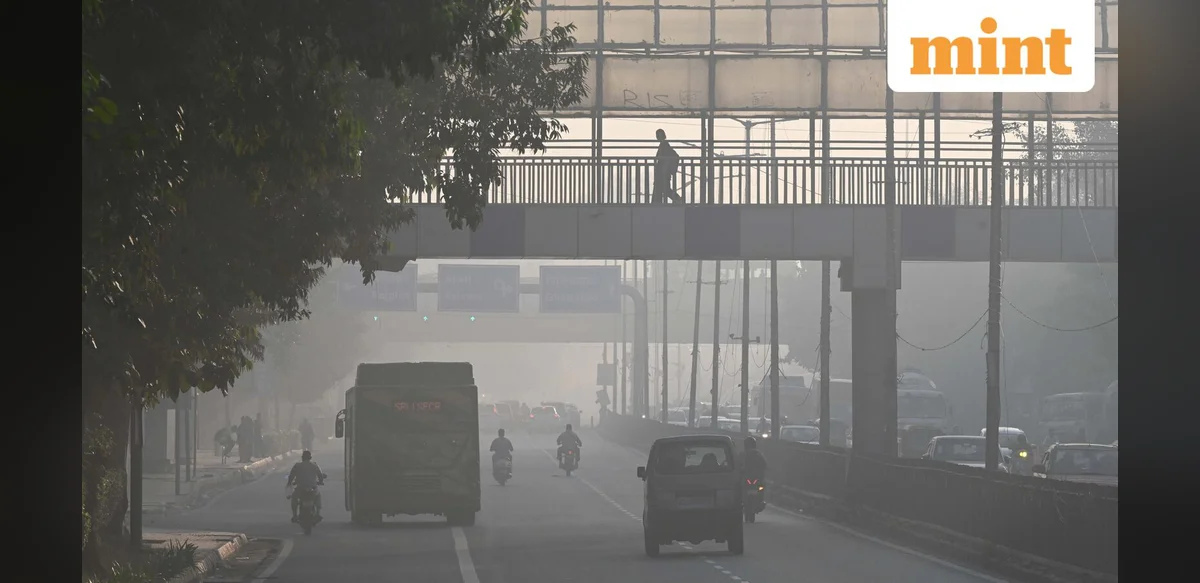
Delhi experienced a noticeable shift in its air quality index over a short period. Measurements showed the index moving from a moderate level of 179 on October 20 to a poor level of 244 by 2pm on October 21. This update came from the Commission for Air Quality Management.
The change has led to the activation of Stage-I measures under the Graded Response Action Plan throughout the National Capital Region. Such steps are part of a structured approach to address rising pollution levels in the area.
Air quality monitoring plays a key role in tracking environmental conditions in major cities. The index provides a standardized way to communicate daily pollution status to residents and authorities. When values enter the poor category, it signals the need for coordinated responses.
The Graded Response Action Plan outlines specific actions based on pollution thresholds. Stage-I typically involves basic restrictions aimed at limiting further deterioration. Implementation across the NCR ensures a unified effort among neighboring regions.
Residents in Delhi and surrounding areas are encouraged to stay informed through official channels. Regular updates from monitoring bodies help the public understand current conditions and any required precautions.
Environmental factors such as seasonal changes can influence air quality readings. October often sees variations due to weather patterns and local activities. Authorities continue to monitor these developments closely.
The recent data highlights the importance of ongoing vigilance in urban centers. Pollution management requires collaboration between government agencies and local communities.
Further details on the plan and its effects will be shared as the situation progresses. Officials remain focused on maintaining air quality standards through timely interventions.
This development underscores the dynamic nature of air quality management in densely populated regions. Continuous assessment allows for adjustments as needed.
Public awareness campaigns often accompany such measures to promote responsible behavior. Simple steps like reducing vehicle use during peak hours can contribute to overall improvement.
The Commission for Air Quality Management provides regular reports to support decision-making. These reports form the basis for activating different stages of the response plan.
Delhi’s location within the NCR makes regional coordination essential. Actions taken in one part can affect neighboring zones, necessitating a broad approach.
Monitoring stations across the city collect data at various times throughout the day. Afternoon readings, such as the one recorded at 2pm, offer snapshots of evolving conditions.
The transition from moderate to poor air quality serves as an early indicator. It prompts preparatory steps before conditions potentially worsen further.
Stakeholders including local administrations work together to enforce the plan effectively. This ensures consistency in application across the entire region.
Historical patterns show that air quality can fluctuate rapidly in response to multiple influences. Timely activation of measures helps mitigate impacts.
The current episode reinforces the need for sustained efforts in pollution control. Long-term strategies complement immediate actions like those in Stage-I.
Information dissemination through media and official portals keeps citizens updated. Transparency in reporting builds trust in the management process.
Overall, the focus remains on protecting public health and the environment through evidence-based responses. The latest readings guide these efforts in real time.

