


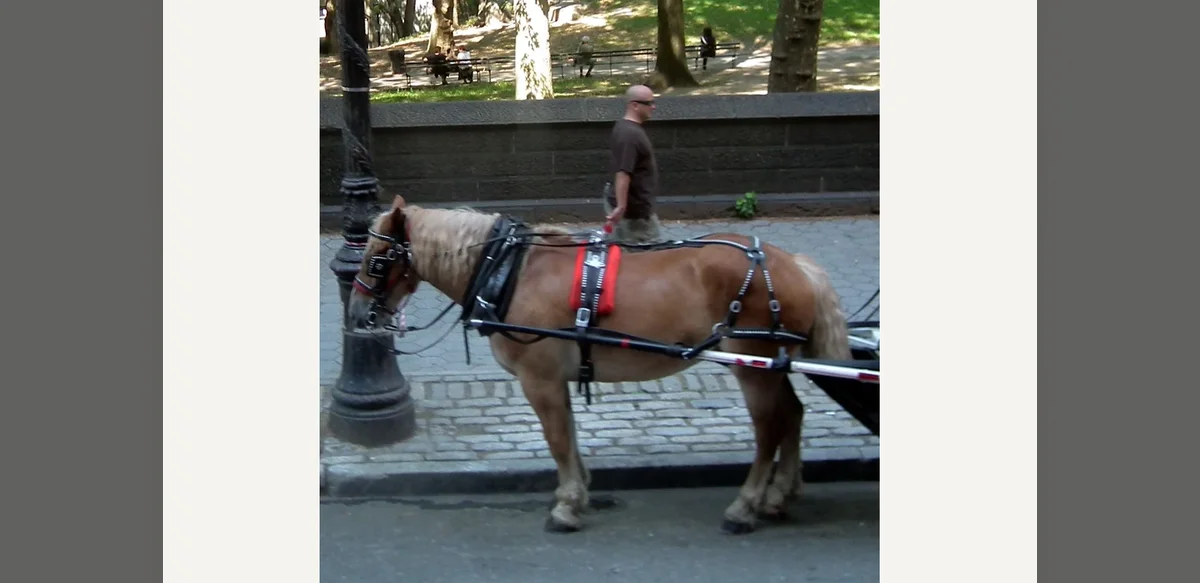
The New York City Council has taken a decisive step toward ending a longstanding practice in the city by approving legislation that will gradually eliminate horse-drawn carriage operations. In a vote held on October 22, forty members supported the measure, which sets a deadline of June 1, 2028, for the complete phase-out of these rides. The bill, referred to as Romanch’s Law, marks the culmination of multiple prior efforts that had not succeeded in altering the status of the industry.
The legislation draws its name from an incident involving an eighteen-year-old visitor from India. Romanch Mahajan lost his life after a carriage became uncontrollable in Central Park. This event brought renewed attention to safety concerns associated with the activity and contributed to the momentum behind the current proposal.
Supporters of the bill have long argued that the carriage operations pose risks to both participants and the animals involved. Over the years, various proposals aimed at restricting or removing the rides have surfaced, yet none advanced to the point of implementation until this recent council action. The passage reflects a shift in priorities regarding urban animal welfare and public safety within the metropolitan area.
Under the terms of the approved measure, carriage rides will continue on a limited basis until the specified cutoff date. This transitional period allows time for operators to adjust their business models and for the city to prepare alternative attractions or transportation options for visitors. Officials have indicated that enforcement mechanisms will be established to ensure compliance once the deadline arrives.
The decision has sparked discussion among residents, business owners, and advocacy groups. Some view the change as a necessary modernization of city practices, while others express concern about the economic impact on those who rely on the carriages for their livelihood. The council’s action does not include provisions for immediate cessation, instead favoring a structured wind-down process.
Central Park, where the rides have historically taken place, serves as a major tourist destination. The phase-out is expected to alter the visual and operational landscape of certain park areas. City planners may explore new uses for the spaces previously occupied by carriage staging points, though specific plans have not yet been detailed publicly.
The naming of the bill after the young visitor underscores the personal stories that often influence policy debates. Incidents involving runaways or accidents have periodically drawn scrutiny to the carriage industry, prompting calls for stricter regulations or outright bans. This latest development represents the most substantial progress to date on the issue.
Implementation will require coordination between multiple city agencies responsible for licensing, animal oversight, and park management. Details regarding compensation or support for affected workers remain under consideration as the process moves forward. The council’s vote signals a clear direction, yet the full effects will unfold over the coming years.
Observers note that similar debates have occurred in other major cities regarding animal-drawn vehicles. New York’s approach, with its extended timeline, may serve as a reference point for future discussions elsewhere. The focus remains on balancing tradition with contemporary standards for safety and ethics.
Public records indicate that the carriage industry has operated in the city for generations, evolving alongside changes in transportation and tourism. The recent legislation introduces a definitive endpoint to this chapter, subject to the established 2028 date. Further amendments or related measures could emerge as the transition period progresses.
Overall, the council’s approval of Romanch’s Law reflects sustained advocacy and legislative persistence. The measure addresses long-standing concerns while providing a defined period for adaptation. As the city prepares for the eventual end of horse-drawn carriage rides, attention will turn to monitoring compliance and evaluating the broader implications for urban life and visitor experiences.

