


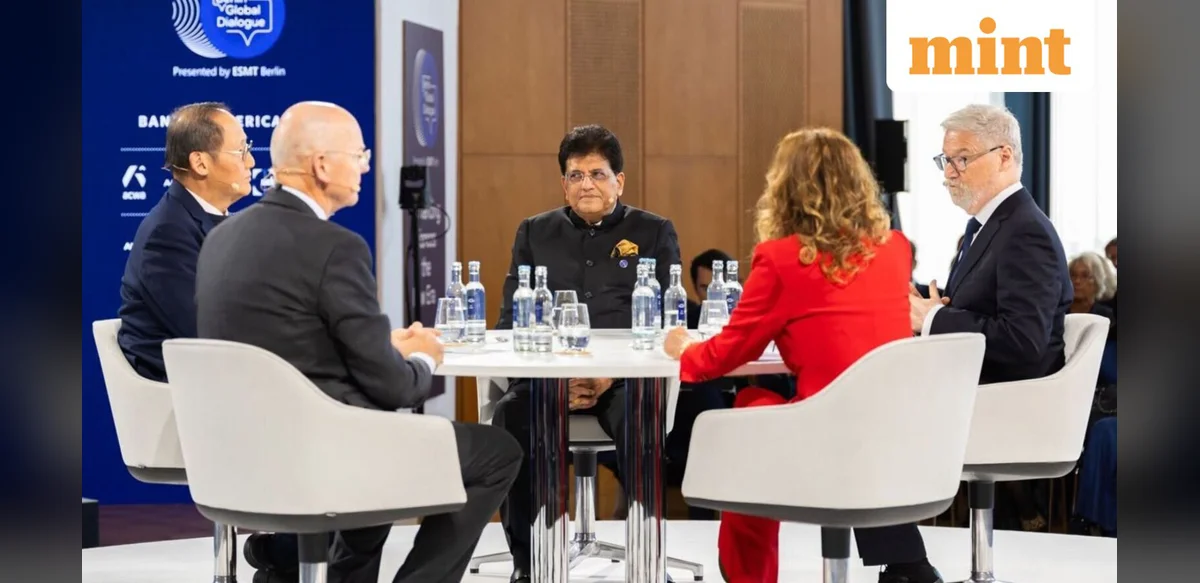
A video recording from a policy discussion in Berlin has drawn widespread attention across digital platforms. In the footage, Piyush Goyal offers observations on global environmental challenges and the roles played by various nations. He directs attention to carbon output levels in European regions and notes shortcomings by advanced economies in meeting earlier pledges for climate related financial support.
During the exchange, Goyal highlights potential consequences of a European Union mechanism that applies charges based on carbon content in steel shipments. He indicates that implementation of this approach could contribute to higher expenses for households and reduce competitive strength for manufacturing operations within affected areas.
The session occurred in the German capital as part of broader conversations on sustainability and trade policies. Participants explored connections between emission reduction efforts and economic stability. The circulated clip captures specific statements questioning overall responsibility for current environmental conditions.
Observers have shared the material extensively, leading to discussions about international cooperation on climate matters. The comments underscore differences in perspectives between developing and developed economies regarding historical contributions and future obligations. Goyal emphasizes the need for consistent action across borders to address shared concerns.
Further analysis of the remarks points to ongoing debates surrounding carbon border adjustments and their broader implications. Such policies aim to align trade practices with emission targets yet may influence costs and market dynamics in multiple sectors. The Berlin event provided a platform for these issues to be examined from varied viewpoints.
The viral nature of the video reflects public interest in how climate finance commitments are tracked and fulfilled. Developed nations had previously outlined plans to assist other countries with resources for adaptation and mitigation projects. Questions about delivery timelines and amounts continue to surface in similar forums.
Goyal also connects the steel related levy to everyday economic pressures. Industries reliant on steel could face added operational burdens, potentially affecting supply chains and consumer prices over time. This aspect of the discussion draws attention to the balance between environmental goals and industrial viability.
Overall the exchange in Berlin contributes to the larger dialogue on equitable approaches to global warming. By focusing on accountability and practical outcomes, the statements encourage reflection on collective progress toward agreed targets. The footage continues to circulate as audiences consider the points raised about responsibility and policy impacts.

