


The Mekong River stands as one of Southeast Asia’s most significant waterways, stretching across multiple nations and carrying centuries of cultural and economic importance. In recent explorations focused on Vietnam and Cambodia, travelers have encountered both expansive landscapes and personal encounters that illustrate the river’s layered past.
Originating in the Tibetan plateau, the Mekong flows southward for thousands of kilometers before reaching the South China Sea. Its path through Vietnam and Cambodia features fertile deltas, ancient settlements, and diverse ecosystems. Local communities along its banks have long depended on the river for agriculture, fishing, and transportation.
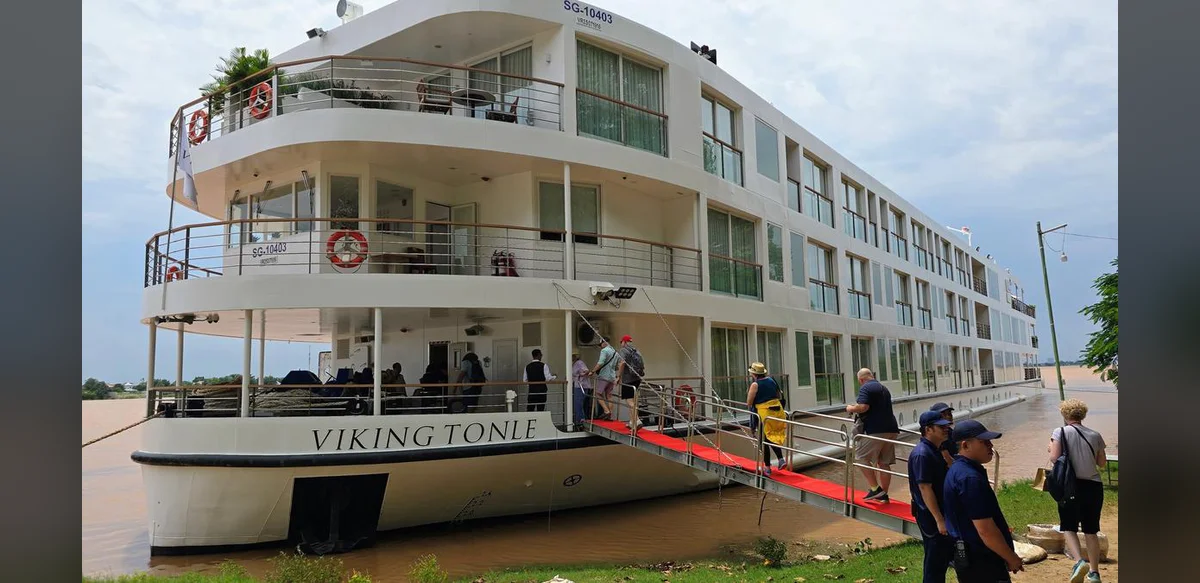
Luxury excursions now allow visitors to experience these regions with added comfort while observing traditional practices. Boats equipped for extended journeys provide views of rice paddies, floating markets, and temple ruins. Guides share accounts of historical events, including trade routes that connected distant empires and periods of colonial influence.
In Cambodia, the river passes near sites tied to the Khmer civilization. Travelers often visit areas around the Tonle Sap lake, where seasonal flooding creates unique habitats. Intimate stops at village homes reveal daily routines centered on the waterway, from net casting at dawn to evening gatherings.
Vietnam’s section includes the Mekong Delta, known for its network of canals and islands. Here, coconut groves and fruit orchards line the shores. Journeys highlight both large-scale production of rice and smaller family operations that maintain older methods of cultivation.
The river’s story encompasses environmental challenges as well. Changes in water levels affect biodiversity and local livelihoods. Conservation efforts involve cooperation among countries sharing the basin, aiming to balance development with preservation.
Luxury options emphasize sustainable approaches, such as smaller group sizes and support for community projects. Participants learn about efforts to protect fish populations and restore mangroves. These elements combine to present a balanced view of progress and continuity.
Personal moments arise during quiet cruises or shore walks. Conversations with artisans crafting pottery or weaving textiles offer glimpses into ongoing traditions. Such interactions underscore how the Mekong continues to shape identities across generations.
Overall, the combination of broad vistas and close-range experiences provides insight into the river’s role in regional history. From ancient migrations to modern tourism, the waterway remains central to understanding Southeast Asia’s development. Future visits may further explore these themes as infrastructure and awareness evolve.

