


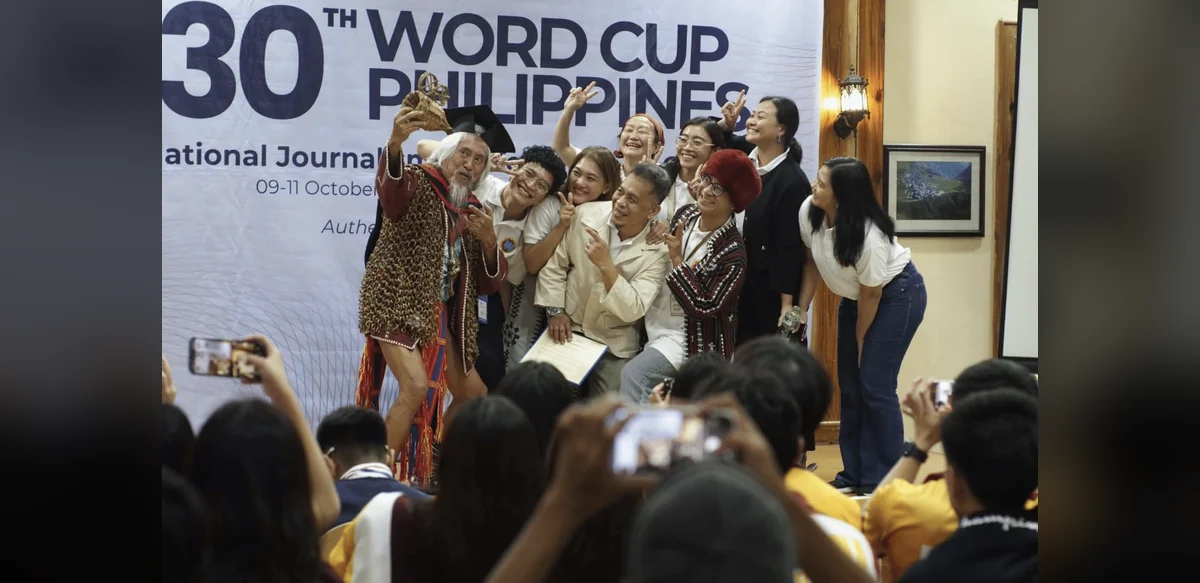
National Artist for Film Kidlat Tahimik addressed roughly three hundred attendees at a national workshop and contest held in Baguio City. The event took place on October 11 2026. He combined live performance segments with selected short films to draw attention to the concept of kapwa and the resourcefulness found in Indigenous communities.
The gathering brought together participants from various regions for sessions focused on creative expression and cultural awareness. Tahimik structured his presentation to move between spoken narration, enacted scenes, and film excerpts. This approach allowed the audience to experience the themes through multiple formats rather than a single lecture format.
Kapwa refers to a shared sense of self and interconnectedness that is central to many Philippine cultural traditions. Tahimik illustrated how this idea appears in everyday practices and artistic works created by Indigenous groups. He emphasized that such perspectives offer practical insights for contemporary challenges in community building and environmental stewardship.
The short films screened during the session featured scenes of traditional craftsmanship, communal decision making, and adaptive techniques developed over generations. Each clip was introduced with brief context that linked the visual content to broader discussions on cultural continuity. Participants were invited to reflect on parallels between the depicted practices and their own local contexts.
Following the screenings, Tahimik led an interactive segment in which he demonstrated performance techniques drawn from his own body of work. The demonstrations highlighted ways in which movement and gesture can convey complex social values without relying on spoken language. Audience members observed how these methods might be adapted for educational or community outreach purposes.
Organizers noted that the workshop aimed to encourage emerging creators to incorporate cultural themes into their projects. The contest component provided a platform for participants to present original pieces developed during the event. Feedback sessions were scheduled to follow the main presentations, allowing for structured dialogue between established artists and newer voices.
Tahimik has long explored themes of identity, heritage, and innovation in his films and installations. His participation in the Baguio event continued this focus by placing Indigenous knowledge systems at the center of the conversation. Attendees reported that the combination of performance and film created an immersive learning environment that encouraged active engagement.
The National Workshop and Contest is an annual program designed to support artistic development across multiple disciplines. This year’s edition placed particular emphasis on cultural heritage and collaborative practices. Tahimik’s contribution aligned with these goals by offering concrete examples of how traditional concepts can inform modern creative work.
Discussions after the main session touched on the role of artists in preserving and reinterpreting cultural narratives. Participants raised questions about accessibility, representation, and the responsibilities that come with working across cultural boundaries. Tahimik responded by underscoring the importance of listening to community voices and allowing those perspectives to shape artistic outcomes.
The event concluded with a collective reflection on the day’s themes. Organizers expressed appreciation for the turnout and the quality of interaction observed throughout the afternoon. Plans were announced to compile selected participant works into a future exhibition or publication, extending the reach of the workshop beyond the single day.
Overall, the session provided a focused exploration of kapwa and Indigenous ingenuity through the lens of film and live performance. It offered attendees both conceptual frameworks and practical illustrations that they could carry into their own creative endeavors. The combination of established artistic leadership and emerging participant contributions created a balanced program that honored tradition while encouraging innovation.

