


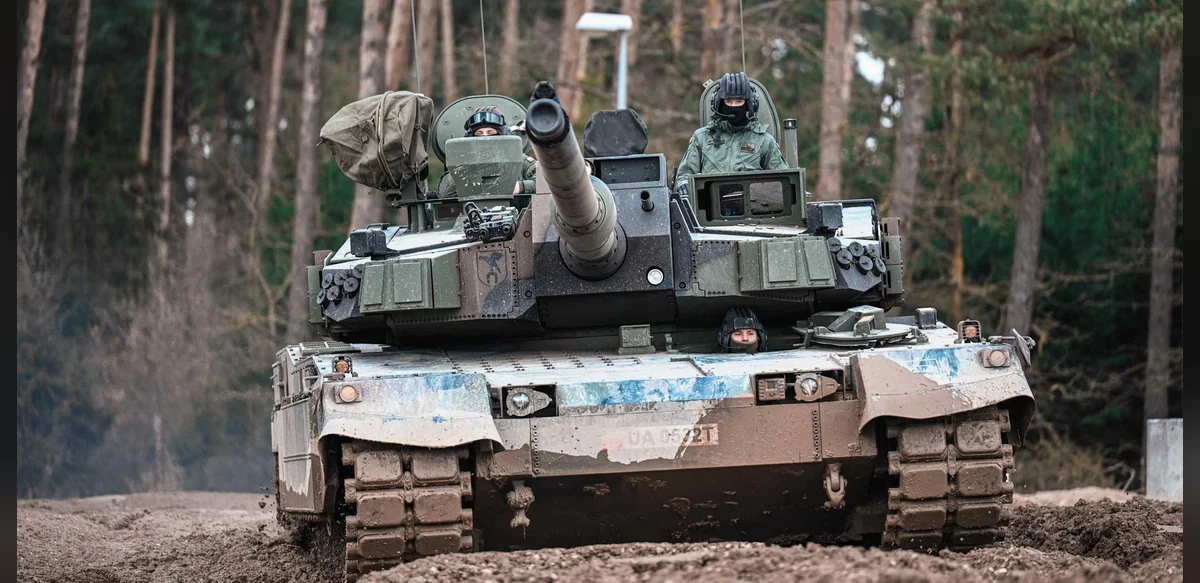
South Korean defense manufacturer Hyundai Rotem is moving forward with plans to establish a production facility in Poland that could serve as a hub for armored vehicle manufacturing across the European Union. The project remains in early stages and its progress hinges on several key factors including the transfer of sensitive technology and compliance with European Union regulations governing defense-related financing.
Industry observers note that Poland has emerged as a significant market for military equipment in recent years due to its strategic location and ongoing modernization efforts. The proposed facility would potentially allow for localized assembly and maintenance of tanks and other tracked vehicles, reducing reliance on imports from outside the continent. However, details regarding the scale of investment, timeline for construction, and specific product lines remain limited at this point.
A central challenge involves navigating rules around technology sharing. Defense equipment often incorporates proprietary systems developed over decades, and governments typically impose strict controls on how such knowledge is disseminated to foreign partners. Hyundai Rotem would need to reach agreements that satisfy both its home authorities and Polish officials while meeting broader European standards.
Financing represents another critical element. European Union frameworks for supporting defense projects have evolved in response to shifting security priorities, yet they still require projects to demonstrate clear alignment with collective procurement goals and budgetary oversight mechanisms. Any funding package for the Polish site would likely need to address these criteria to gain approval from relevant bodies.
Stakeholders from the automotive and heavy machinery sectors have watched similar cross-border initiatives closely, as they can influence supply chains for components such as engines, armor plating, and electronics. Successful implementation could create opportunities for local suppliers while also introducing competitive pressures on existing manufacturers.
Polish authorities have expressed interest in expanding domestic industrial capacity for defense equipment, citing the need for greater self-sufficiency and job creation in specialized engineering fields. The Hyundai Rotem proposal aligns with these objectives on paper, though concrete commitments are still under discussion.
Analysts emphasize that outcomes will depend on sustained dialogue between the company, national governments, and European institutions. Regulatory clarity on both technology transfer and financial support mechanisms will be essential for the project to advance beyond the conceptual phase. Further announcements are anticipated as negotiations continue over the coming months.
The broader context includes ongoing debates within the European Union about how best to coordinate defense spending across member states while maintaining high standards for security and accountability. Projects like the one proposed in Poland illustrate the practical difficulties of balancing industrial ambitions with these policy considerations.
If realized, the facility could contribute to a more integrated European defense production network, though its ultimate contribution will be measured by actual output, employment figures, and integration with existing supply chains rather than initial announcements alone. Observers will continue to monitor developments for signs of concrete progress on the outstanding issues of technology access and funding structures.

