


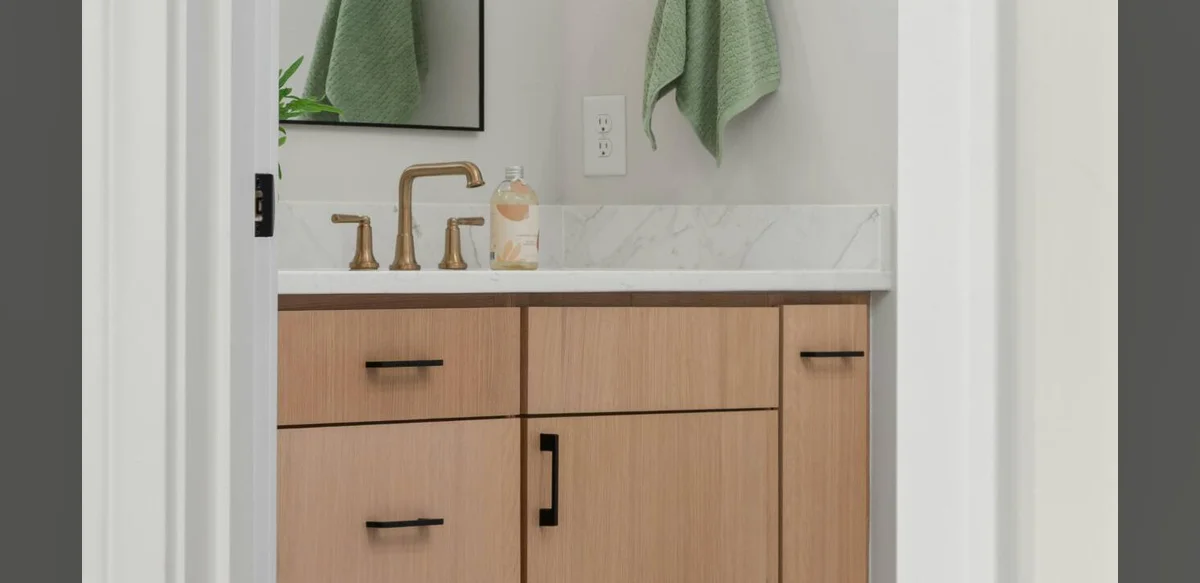
Bathrooms tend to experience high levels of humidity and temperature changes throughout the day. These conditions can affect the quality and safety of many stored objects over time. Homeowners are often advised to review what they place inside bathroom cabinets and consider relocating certain categories of items to drier areas of the residence.
One category frequently mentioned by storage specialists includes prescription and over-the-counter medications. Moisture can cause pills and capsules to break down or lose potency. In addition, labels may become difficult to read when exposed to steam. A cool, dry location such as a bedroom drawer or a dedicated medicine box is generally recommended instead.
Electronic accessories represent another group that performs poorly in bathroom environments. Devices such as electric toothbrushes, hair styling tools, and charging cables are vulnerable to corrosion when left in consistently damp spaces. Even when unplugged, prolonged exposure to humidity may shorten their lifespan or create safety concerns during use.
Paper-based materials also suffer in these settings. Documents, instruction manuals, and personal records can absorb moisture, leading to warping, ink smudging, or mold growth. Important papers are better stored in filing systems located in living areas or home offices where air circulation remains stable.
Jewelry and small valuables form a further category that experts suggest moving elsewhere. While cabinets may seem secure, humidity can accelerate tarnishing on metals and stones. A jewelry box placed in a bedroom closet offers better protection against both moisture and potential misplacement during daily routines.
Finally, any food items or nutritional supplements kept for convenience should be relocated. Humidity encourages spoilage and attracts insects. Snacks, vitamins, and similar products maintain freshness longer when stored in kitchen cabinets or pantries designed for dry goods.
Beyond these specific recommendations, general organization practices can improve bathroom usability. Regular decluttering sessions help identify items that no longer belong. Using labeled containers for frequently needed toiletries keeps the space functional without overcrowding shelves. Ventilation improvements, such as running exhaust fans after showers, also reduce overall moisture levels.
Many households find that adopting these adjustments leads to fewer replacements of damaged goods and a more pleasant daily experience. Storage decisions ultimately depend on individual living arrangements, yet awareness of humidity effects provides a useful starting point for most residents. Consulting product care labels offers additional guidance tailored to specific items.
Over time, small changes in storage habits accumulate into noticeable benefits for both household maintenance and item longevity. Residents who periodically reassess their bathroom cabinets often report improved satisfaction with their living spaces.

