


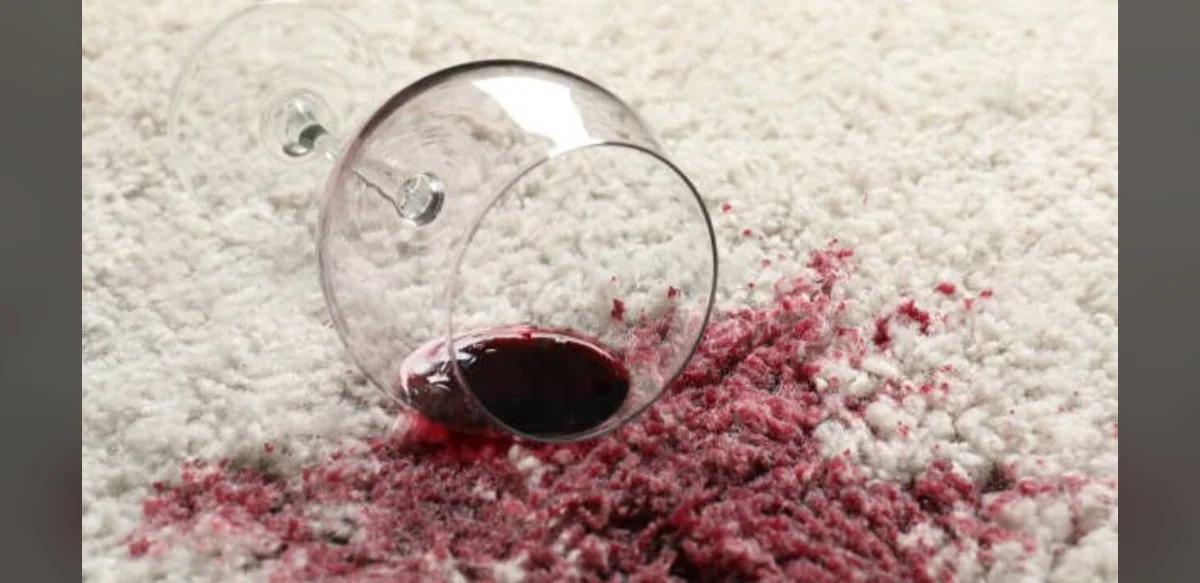
When a red wine spill occurs on carpet, remaining calm allows for quicker and more effective response. Immediate attention prevents the liquid from setting deeply into the fibers. The first step involves using a clean cloth to blot the area lightly. This action draws out the moisture without pushing it further into the material or widening the affected zone. Rubbing should be avoided entirely as it can cause the stain to spread and embed more firmly.
Absorbent household items prove useful in managing the spill at this stage. Salt or baking soda can be sprinkled generously over the damp spot. These substances work by drawing the liquid upward and away from the carpet base. After application, the mixture is left in place for several minutes to maximize absorption. Once the powder appears discolored, it can be vacuumed away carefully, repeating the process if necessary until much of the visible liquid has been removed.
For stains that persist after initial treatment, a simple solution combining dish soap and white vinegar offers additional help. The mixture is prepared by diluting a small amount of each in water. Application follows the same blotting technique, working from the outer edges inward to contain the area. This approach helps break down remaining residues while minimizing risk to the carpet fibers. Rinsing with plain water on a separate cloth ensures no soap residue remains, which could otherwise attract dirt over time.
Throughout the cleaning process, testing any solution on a small hidden section of carpet is advisable to confirm compatibility with the specific material. Different carpet types may react variably, so caution preserves the overall appearance. Allowing the area to dry completely after cleaning prevents mold or discoloration from developing underneath.
Regular maintenance of carpets can reduce the impact of future incidents. Prompt response combined with these accessible techniques supports better outcomes without requiring specialized equipment. Homeowners find that keeping basic supplies on hand simplifies handling such accidents efficiently. The methods described focus on lifting the stain gradually while protecting the integrity of the flooring surface.
Additional care involves monitoring the spot over the following hours as it dries. Any lingering traces may benefit from a second round of blotting with the prepared solution. Patience during each phase contributes to thorough removal. These steps collectively address both fresh and slightly set spills using items commonly found in most kitchens.
Understanding the importance of gentle handling ensures the carpet retains its texture and color. Overly aggressive actions can lead to permanent damage that proves difficult to reverse. By following a measured sequence, individuals achieve cleaner results with minimal effort. The process highlights how everyday materials can manage common household challenges effectively.
In summary, the combination of blotting, absorption with powders, and targeted liquid solutions provides a reliable framework for dealing with red wine on carpets. Each element builds on the previous to achieve progressive improvement. Home application of these techniques supports ongoing care without external assistance. Consistent practice of these habits maintains carpet condition over extended periods.

