


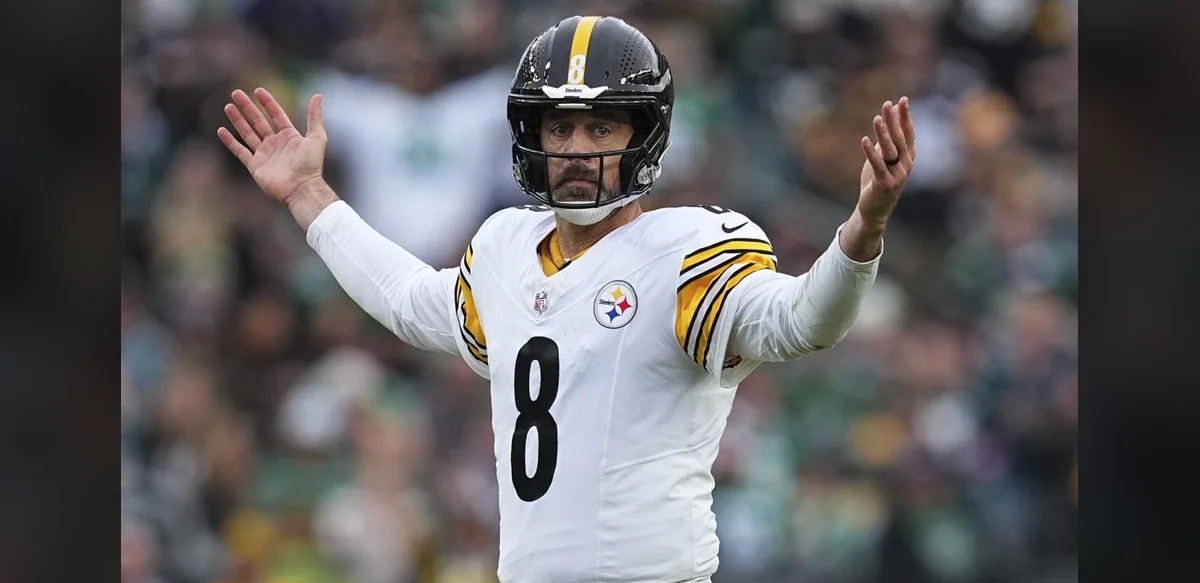
A recent report from ESPN has highlighted that league sources have provided support for two specific claims made by quarterback Aaron Rodgers concerning the head coach of the Pittsburgh Steelers, Mike McCarthy. This development adds a layer of verification to statements previously issued by Rodgers in public discussions.
The information was conveyed through reporting by ESPN journalist Brooke Pryor, who drew upon unnamed sources within the league to substantiate portions of the quarterback’s earlier remarks. Such backing from internal league contacts lends additional weight to the assertions without revealing further details at this stage.
In professional football circles, comments from prominent players regarding coaching staff often attract considerable attention. The confirmation of select points from Rodgers’ perspective underscores ongoing dialogues about team dynamics and leadership approaches within the organization.
Observers note that reports of this nature can influence perceptions among fans and analysts alike. By citing multiple sources, the ESPN account aims to present a balanced view grounded in available information from those familiar with the situation.
The Steelers organization has not issued an official response to the report as of the latest updates. This silence is typical in cases where internal matters are discussed through media channels rather than direct statements from team officials.
Rodgers, known for his tenure with other franchises prior to joining the Steelers, has occasionally shared insights on coaching philosophies. The partial validation of his comments by league sources may prompt further examination of team strategies moving forward.
Media coverage in the sports sector frequently relies on such anonymous confirmations to build narratives around player-coach interactions. Here, the focus remains narrowly on the two claims that received external support, leaving other aspects unaddressed in the current reporting.
Broader implications for the upcoming season could emerge if additional details surface. For now, the report serves primarily as a point of clarification regarding the quarterback’s prior statements.
Analysts emphasize the importance of verifying player comments through independent channels to ensure accuracy. The involvement of ESPN sources represents one such effort in this instance.
Overall, the situation illustrates how information flows within professional sports leagues, where reports can both inform and shape ongoing conversations without providing exhaustive accounts.
Additional context from similar past incidents shows that such reports often evolve over time as more information becomes available. Stakeholders continue to monitor developments closely.
The neutral tone of the ESPN piece avoids speculation, sticking instead to the facts as presented by the cited sources. This approach helps maintain journalistic standards in sports reporting.
Fans interested in the Steelers’ performance may find this update relevant to understanding team leadership structures. It highlights the role of external verification in player statements.
In summary, the report from ESPN stands as a factual update on the matter, confirming support for two claims while leaving room for future clarifications if they arise.

