


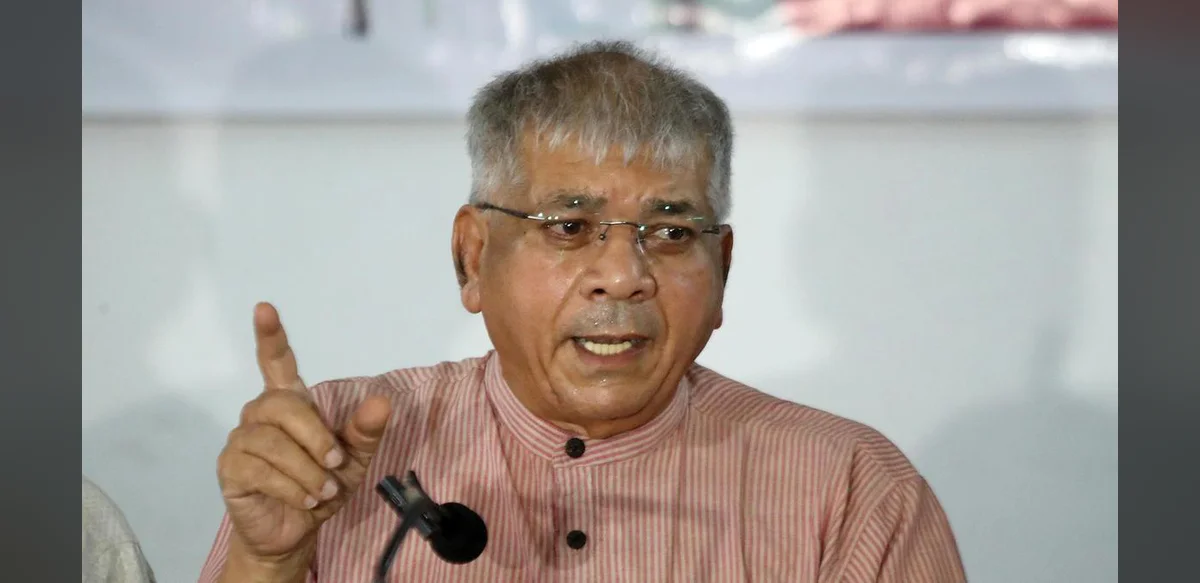
In a recent statement, Prakash Ambedkar expressed concern over the current state of constitutional principles in the country. He described the situation as unfortunate and highlighted risks if these principles continue to face challenges. According to his remarks, certain organizations are prioritizing efforts to maintain authority, which he believes endangers core values embedded in the founding document.
Ambedkar emphasized the need to protect the Constitution to prevent broader societal consequences. He specifically mentioned the possibility of significant unrest, using the phrase blood revolution, unless immediate steps are taken to safeguard these ideals. The comments point to ongoing political dynamics involving groups focused on power retention.
Observers note that such statements reflect ongoing debates about governance and foundational laws. Ambedkar’s position underscores the importance of upholding constitutional norms amid competitive political activities. His words serve as a call for attention to these matters without specifying particular actions beyond preservation efforts.
The remarks come at a time when discussions about national identity and legal frameworks remain prominent. Ambedkar framed the issue as a direct link between power-seeking behaviors and threats to established ideals. This perspective suggests that failure to address these concerns could lead to escalated tensions across society.
Neutral analysis of the statement reveals a focus on preventive measures through constitutional adherence. Ambedkar avoided detailing exact mechanisms but stressed collective responsibility in maintaining the document’s integrity. The warning about potential revolution acts as a cautionary note rather than a prediction of specific events.
Public reactions to similar comments often vary, with some viewing them as timely reminders and others as part of routine political discourse. Ambedkar’s intervention adds to conversations about how political entities balance authority with legal obligations. His choice of language aims to draw attention to perceived imbalances.
In expanding on the initial point, the statement reiterates that efforts by certain groups to secure positions may inadvertently undermine constitutional safeguards. Ambedkar positioned this as an unfortunate development requiring vigilance. The overall tone remains one of advocacy for preservation over confrontation.
Further elaboration in the remarks connects the dots between current power dynamics and historical ideals. By invoking the possibility of blood revolution, Ambedkar seeks to highlight stakes involved in ongoing processes. This approach encourages reflection on the role of foundational texts in modern governance.
The content of the address stays centered on constitutional protection as a priority. Ambedkar did not introduce additional claims but reinforced the link between political strategies and ideal erosion. Such messaging aligns with broader themes of accountability in public life.
Ultimately, the statement serves as a reminder of the Constitution’s role in national stability. Ambedkar’s caution about unrest unless the document is saved invites consideration of how best to navigate present challenges while respecting established principles. The focus remains factual and tied directly to the expressed concerns without external embellishment.

