


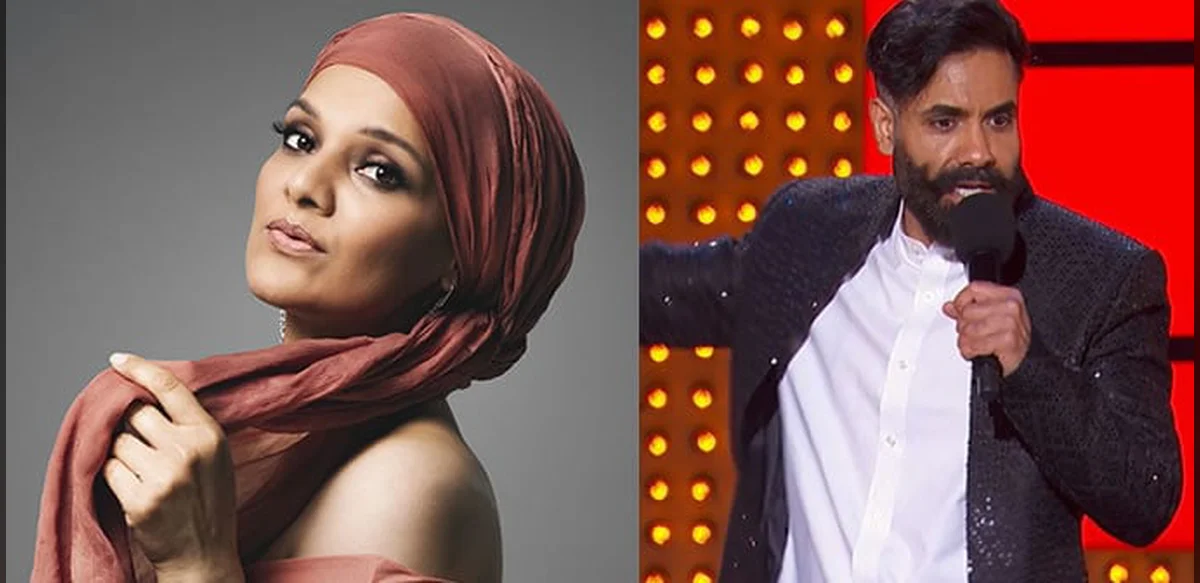
The British comedy landscape continues to evolve with fresh voices bringing unique perspectives to the stage. Among these are several British Asian stand-up comedians who have gained recognition for their sharp observations and relatable humor. This group includes established names such as Paul Chowdhry and emerging talents like Sadia Azmat, each contributing to a more diverse representation in UK entertainment.
Stand-up comedy in Britain has long drawn from a wide range of cultural backgrounds. British Asian performers often explore themes of identity, family expectations, and everyday life in multicultural Britain. Their routines frequently blend personal anecdotes with broader social commentary, resonating with audiences across different communities.
Paul Chowdhry stands out for his deadpan delivery and incisive takes on cultural stereotypes. Over the years, he has built a substantial following through television appearances and live tours. His material often highlights the nuances of growing up in a British Asian household while navigating mainstream society.
Sadia Azmat brings a fresh energy to the scene with her candid storytelling. She addresses topics ranging from relationships to professional challenges, always with a humorous twist. Azmat’s performances have been noted for their accessibility and ability to connect with younger viewers seeking authentic voices.
Other comedians in this cohort draw from varied experiences across the UK. Some focus on regional accents and local customs, while others examine global issues through a personal lens. This variety ensures that their acts appeal to both niche crowds and general audiences at major festivals.
The rise of these performers coincides with increased interest in inclusive programming at comedy venues. Festivals and clubs now actively seek acts that reflect Britain’s demographic makeup. As a result, British Asian comedians have secured more slots on popular shows and podcasts.
Challenges remain, however. Some performers report facing assumptions about their material based on ethnicity rather than content. Despite this, many persist by refining their craft and building supportive networks within the industry.
Live performances offer these comedians direct feedback from crowds. Touring across cities allows them to test new material and refine timing. Audience reactions often inform adjustments that strengthen future shows.
Television and online platforms have amplified their reach. Appearances on panel shows and streaming specials introduce their work to viewers who might not attend live events. Social media clips further extend visibility, sparking discussions about comedy’s role in cultural dialogue.
Looking ahead, the continued success of these seven figures suggests a promising trajectory for British Asian talent in stand-up. Their contributions enrich the overall scene by introducing perspectives that might otherwise remain underrepresented. As comedy adapts to changing tastes, these performers are likely to influence the next generation of artists.
Industry observers note that sustained support through mentorship and funding can help maintain momentum. Training programs aimed at diverse entrants provide essential skills for navigating the competitive field. With these resources, more British Asian comedians may emerge and sustain long careers.
Ultimately, the work of these comedians underscores the power of humor to bridge differences. By sharing stories rooted in their backgrounds, they invite broader understanding while delivering entertainment. The UK comedy circuit benefits from this ongoing evolution, promising richer experiences for all who attend.


