


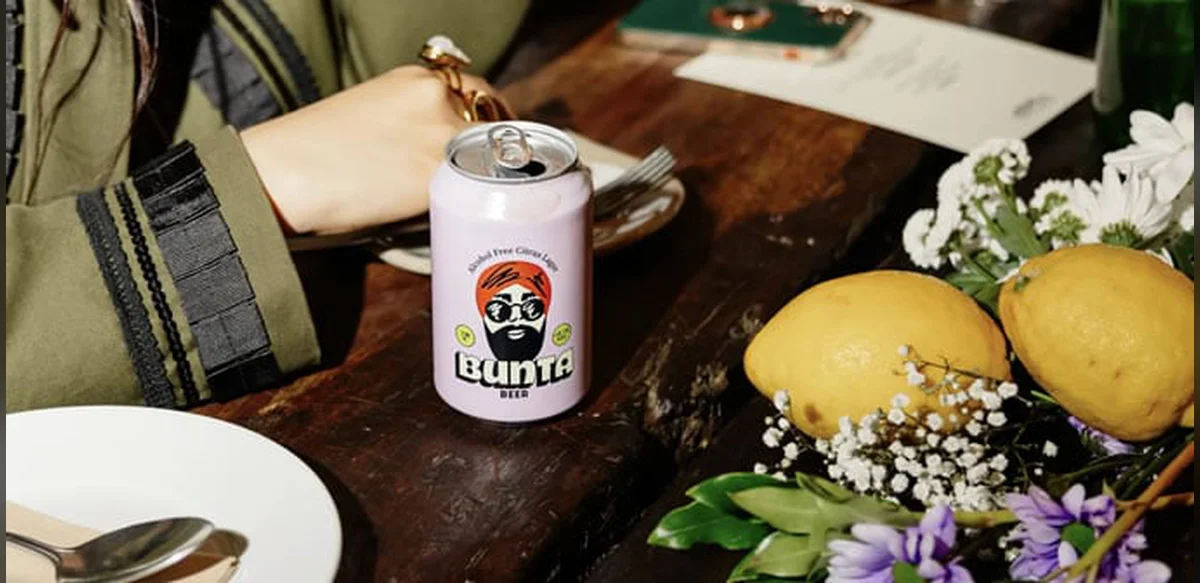
Alcohol-free Bunta Beer has recorded a 40 percent increase in sales over the past year. The brand is encouraging consumers in Britain to reconsider conventional combinations of beer and curry dishes. This development reflects broader shifts in beverage preferences as more people explore options without alcohol while maintaining interest in familiar food pairings.
The traditional association between beer and curry has long been popular in the United Kingdom. Many diners select lagers or ales to accompany spicy meals from South Asian cuisines. Bunta Beer positions its product as an alternative that preserves flavor profiles without the presence of alcohol. Company statements indicate that the growth stems from this targeted approach to menu suggestions and consumer education.
Market observers note rising demand for non-alcoholic drinks across various categories. Factors include health considerations, driving regulations, and changing social habits. Bunta Beer capitalizes on these trends by offering a beverage designed specifically for curry pairings. The 40 percent year-on-year expansion suggests successful adaptation to these consumer needs.
Retail availability has expanded in recent months. Outlets stocking the product report steady interest from customers seeking lighter alternatives. Marketing materials emphasize compatibility with a range of spice levels and regional curry styles commonly found in British restaurants. This focus helps differentiate the brand within the growing non-alcoholic segment.
Industry analysts view the performance as part of a larger movement toward mindful consumption. Non-alcoholic beers now occupy more shelf space in supermarkets and appear on more restaurant lists. Bunta Beer contributes to this evolution by highlighting specific food matches rather than generic refreshment uses.
Feedback from early adopters indicates appreciation for the balance between taste and functionality. The absence of alcohol allows for repeated servings during extended meals without the effects associated with standard beers. This aspect aligns with preferences among diverse groups including designated drivers and health-conscious individuals.
The brand continues to refine its recommendations through testing with various curry recipes. Adjustments aim to optimize mouthfeel and flavor contrast. Such efforts support the core message of rethinking established pairings while staying within the alcohol-free category.
Overall, the reported growth underscores opportunities in specialized beverage markets. Bunta Beer demonstrates how targeted innovation can drive expansion even in categories with established traditions. Continued monitoring will reveal whether similar strategies influence other non-alcoholic products in the United Kingdom.
Further details on distribution and upcoming flavor variations remain limited at present. The company maintains emphasis on the 40 percent growth figure and its challenge to conventional beer and curry norms. This narrative resonates amid ongoing discussions about beverage choices and dining experiences.
Public interest in the product appears sustained by word-of-mouth and online mentions. Discussions often center on practical benefits during social gatherings featuring curry. The straightforward positioning avoids complex claims and focuses on the measurable sales increase.
In summary, Bunta Beer illustrates how a single product can prompt reevaluation of longstanding food and drink customs. The 40 percent growth provides concrete evidence of market response. Observers expect additional brands to explore comparable approaches in the coming period.

