


Mayanka Singh Chhonker, De Montfort University
Agra is known for the Taj Mahal, a global landmark and popular tourist site. Visitors admire its architecture, yet many overlook the nearby artisan communities that preserve the city’s cultural traditions. These groups often remain unseen by those drawn to the monument’s appeal.
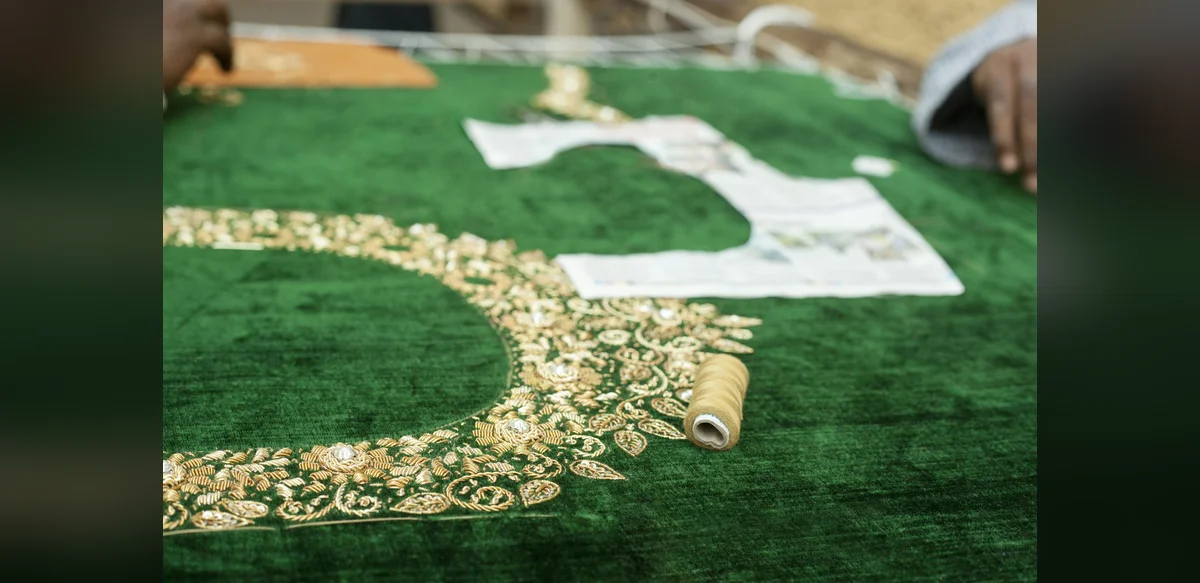
Agra’s narrative typically focuses on the Taj Mahal’s marble rather than the perspectives of local residents. Artisans, frequently from Dalit and Muslim backgrounds, have maintained crafts across generations. These include marble inlay, Zardozi embroidery, perfumery, rafia, shoemaking, leatherwork and carpet weaving.
Through field research in the area, communities were found to maintain cultural ties and craft traditions despite ongoing challenges. Historical practices persist, though support systems have weakened over time.
Previously stable, these occupations have suffered from limited access to education, housing and markets. This ongoing marginalisation leaves many artisans in difficult conditions, even as their work gains recognition worldwide.
The economic gap in Agra is evident. Areas such as Taj Ganj and Kachhpura, close to the Taj Mahal, house artisans in dense settlements. Luxury hotels stand near these neighbourhoods.
In Taj Ganj, women artisans focus on Zardozi embroidery using gold and silver threads along with carpet weaving. Many work as contract labour for intermediaries on tasks like stitching or finishing.
Young girls assist with basic assembly, receiving minimal pay per item while finished goods sell for much higher amounts locally. Products from these areas are exported to the UK and Europe, with artisans earning small sums per piece compared to retail prices abroad. The difference stems from supply chain markups rather than added value.
Zardozi work requires advanced skills. Even national events, such as commissions for the coronation of King Charles, brought no direct credit to the creators.
Buyers include artists, exporters and online sellers. Supply chains stay unclear, and many artisans lack knowledge of standard wages. They calculate prices based on materials and labour with small margins, often undervaluing their output due to limited formal training.
This structure allows intermediaries to retain most profits. Leather workers in Kachhpura, from Dalit backgrounds, encounter similar barriers and discrimination that restrict growth. Community members note that visits by organisations yield stories but little lasting improvement.
Across these groups, low pay, limited market access and absent protections persist. Designs may be used by international brands without collaboration, as seen in cases involving traditional footwear. The focus remains on solutions through skill development and better market connections rather than aid.

