


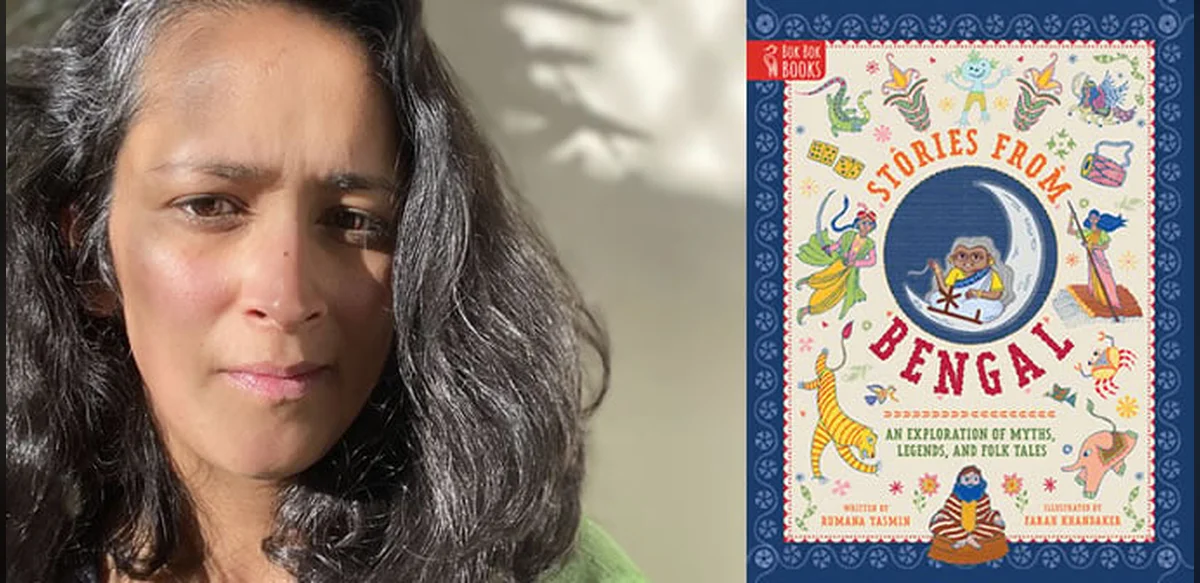
In a recent discussion, the author shared insights into her latest publication focused on the rich tapestry of narratives originating from Bengal. The book aims to introduce young audiences to a variety of storytelling methods that have been passed down through generations in the region.
The work highlights the diversity within these traditions, encompassing tales that reflect everyday life, moral lessons, and imaginative elements drawn from local customs. By presenting these stories in an accessible format, the publication seeks to bridge cultural heritage with contemporary readers.
Storytelling in Bengal has long served as a means of preserving history and values. Oral traditions, often shared in family gatherings or community events, form the foundation of many narratives featured in the collection. The author emphasized the importance of maintaining authenticity while adapting the material for younger demographics.
Representation plays a key role in the book’s approach. Characters and settings are depicted in ways that honor the original sources without simplification or alteration that could diminish their cultural significance. This careful balance allows readers to engage with the material in a respectful manner.
The publication process involved extensive research into various forms of folklore, including those influenced by rural and urban environments. Such efforts ensure that the stories capture a broad spectrum of experiences from the area.
Educators and parents may find the book useful as a tool for introducing children to different narrative styles. Its structure encourages discussion about themes such as community, nature, and personal growth, which are common in these tales.
Overall, the project contributes to greater awareness of Bengali cultural elements through literature. By targeting young readers, it supports the continuation of these storytelling practices in modern contexts.
Further details from the conversation revealed plans for additional volumes that could expand on related themes. This indicates ongoing commitment to documenting and sharing such traditions.
The book stands as an example of how literature can facilitate cross-generational knowledge transfer. Its neutral presentation avoids bias, focusing instead on the inherent value of the stories themselves.
Readers interested in folklore studies or multicultural literature may appreciate the methodical way the content is organized. Chapters are arranged to progressively build understanding of the underlying storytelling techniques.
In summary, the publication offers a thoughtful entry point into the world of Bengal’s narrative heritage, making it suitable for both individual and group reading sessions.

