


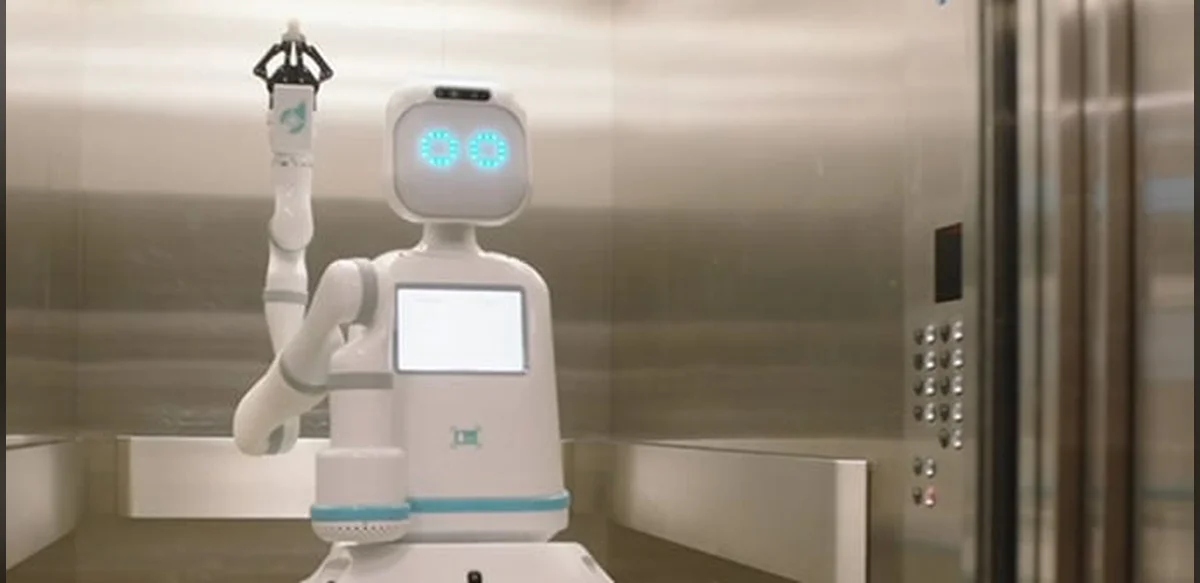
Robots are increasingly obtained through subscription services rather than outright purchase. This model, called robotics-as-a-service, gives companies access to advanced equipment without large initial payments. It covers the machine itself, upkeep, software updates and technical assistance within a regular fee. Hospitals, factories, farms and event firms already employ rented robots for duties such as deliveries and production. As technology advances rapidly, rental options help organisations obtain newer devices without retaining obsolete ones. The trend illustrates a broader shift in technology adoption. Companies can trial robots in actual settings while makers keep refining their products. In American hospitals, staff work alongside Moxi, a roughly four-foot robot built to carry medical items. Developed by Diligent Robotics, it travels corridors transporting supplies and medicines. Its approachable appearance features heart-shaped lights for eyes. Nurses often address it with greetings, gestures and embraces, and it replies with sounds. The chief operating officer noted that feedback frequently describes the robot as part of the team. About one hundred units operate in hospitals, yet providers usually avoid buying them outright. Instead, the service model supplies the robot along with maintenance, support and updates. Remote engineers can assist if issues arise, easing the technical load on users. The approach cuts initial spending for hospitals since full purchase costs are avoided. It also allows frequent software and capability upgrades because the technology changes quickly. Similar rental plans now span many sectors, with terms from one day to several years. Uses cover hospital logistics, farm equipment, factory automation and entertainment. The chief benefit for firms is adaptability, letting them use robotics without investing in hardware that may soon be superseded. Humanoid robots represent a fast-expanding rental segment. These machines suit spaces designed for people, though the field remains early-stage. Most serve narrow functions rather than general domestic tasks. Entertainment ranks among frequent applications, with some units dancing, singing or greeting guests at events. Performances are often trained from recorded human actions, yet engineers typically remain present for adjustments. Longer-term goals include practical assistance such as household support. One California firm intends to ship its home robot in late 2026. Buyers may pay twenty thousand dollars outright or four hundred ninety-nine dollars monthly. Subscriptions reduce entry costs, broadening access. Experts note that yearly hardware updates make ownership less appealing, since rented units can be swapped for newer versions. Rentals also remove the need for customers to handle programming or repairs.

