


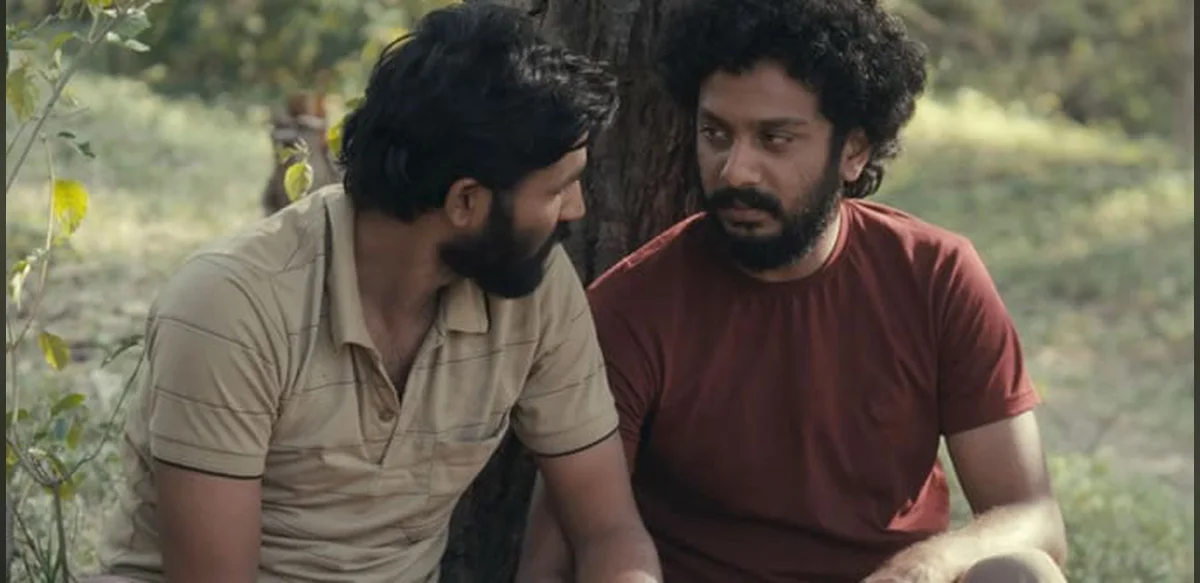
Director Rohan Parashuram Kanawade envisioned a different kind of narrative. Queer tales in Indian films have long centered on conflict, hidden lives and rejection. Cactus Pears stands apart by examining grief, affection and quiet acceptance in a rural Maharashtra setting. The Marathi feature draws from the filmmaker’s personal loss after his father’s death. It has connected with viewers both at home and abroad. The release comes as Indian cinema increasingly portrays LGBTQ+ experiences following the 2018 decriminalisation of homosexuality. Many works still emphasise dramatic tension. Kanawade instead shows how loss can open paths to self-understanding and how acceptance may arise gently inside families. The restrained approach earned the World Cinema Grand Jury Prize at the 2025 Sundance Film Festival and prompted discussion on broader forms of queer representation. The story follows Anand, who returns from Mumbai to his ancestral village after his father’s passing. He faces traditions and questions about marriage he had long avoided. Kanawade had stayed away for over ten years while living openly in the city. After the 2016 death, he returned to support his mother during rituals. One remark questioned his eligibility to perform certain rites because he was unmarried. Customs required going barefoot, eating limited meals and observing varying rules. During this time Kanawade imagined an alternative where someone in the village understood him. That notion shaped the film. Set in Kharshinde village, it depicts Anand reconnecting with Balya, a local herder. Their bond grows into a subdued romance. Grief and love are shown as linked elements of one emotional path. The film’s restraint sets it apart from comparisons like Brokeback Mountain. No grand landscapes or bold statements appear. Everyday village routines frame the tale. Physical intimacy remains minimal. Connection shows through small gestures and quiet talks. This differs from earlier Indian works such as Shubh Mangal Zyada Saavdhan that used dramatic clashes and elaborate scenes. Kanawade notes that struggle often drives most stories. He highlights that many from modest backgrounds also receive parental kindness. The film acknowledges prejudice yet also shows existing acceptance, expanding the view of queer lives in India.

