


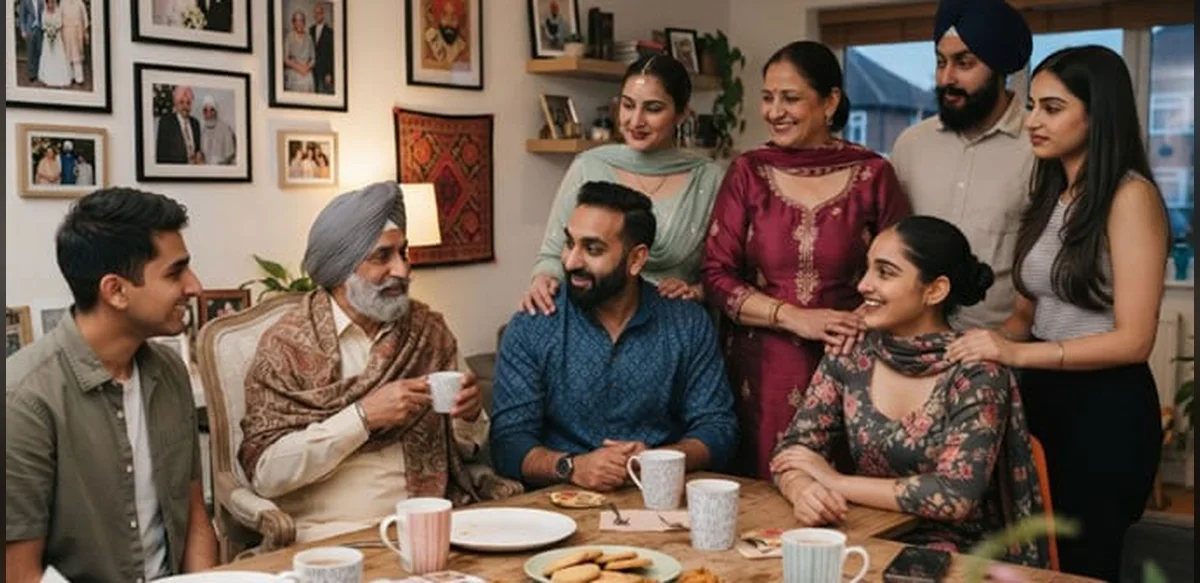
Caste continues to affect certain Punjabi communities in South Asia and among diaspora populations worldwide. Many Punjabis oppose caste-based discrimination, yet social identities tied to caste still shape marriage choices, family expectations, community connections, and cultural practices. The caste system developed over centuries in South Asia, creating divisions linked to occupation, ancestry, and status. Legal measures have addressed discrimination, but social views have changed slowly. In Punjabi areas, caste evolved through influences from religion, colonial policies, migration, and shifting social patterns. Early South Asian structures established broad categories known as varna in ancient texts, separating roles such as religious duties, ruling positions, trade, agriculture, and labor. Over time these divisions grew more intricate and became linked to specific jobs and local groups. Caste refers to hereditary social categories defined by status, occupation, and limits on marriage and interaction. Similar divisions appear in some Sikh, Muslim, and Christian communities as well. In Punjab, agriculture and land ownership influenced social standing, with groups like Jatts gaining prominence through farming. Other communities, including Dalit groups such as Mazhabi Sikhs and Ravidasias, faced exclusion. Economic shifts, education, urban growth, and migration have altered how caste appears across generations. While some Punjabis see caste as less important now, others note its presence has become less visible rather than gone. One academic observed that silence around caste should not be taken as proof of its disappearance. Caste may still guide family expectations, marriage preferences, social circles, and notions of status. Marriage remains a key area where caste affects decisions in some families. Parents sometimes urge matches within the same caste to uphold traditions and ties. These views stem from beliefs about identity and reputation. Younger people often face tensions between personal wishes and family customs. Attitudes are shifting gradually, especially in cities and diaspora settings, where shared values gain more weight than caste background.

